
20-Minute Cycling Session Preserves Unconscious Motor Learning
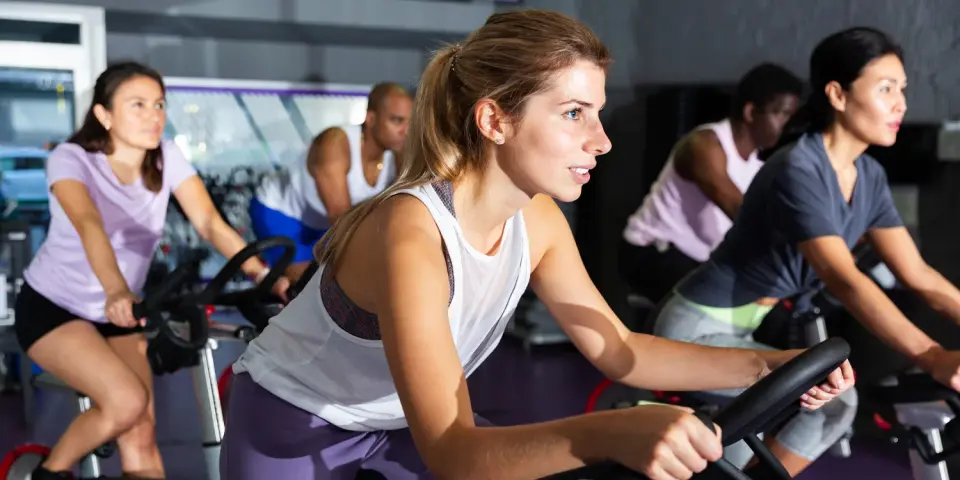
A study published in Physiology & Behavior indicates that 20 minutes of moderate stationary cycling prevents the natural decline of implicit sensorimotor adaptation. Led by Zivar Beyraghi at the Université de Sherbrooke, the research suggests aerobic exercise preserves the brain's automatic ability to adjust movements, potentially aiding physical rehabilitation.
Key points
- The study involved 26 healthy young adults (average age 25) who completed 180 reaching trials before and after a break period.
- Participants in the exercise condition cycled for 20 minutes at 65-75% of their maximum heart rate, while the control group rested and watched a documentary.
- Implicit adaptation, measured by 'post-rotation bias,' declined from 2.93 to 2.20 degrees after rest but remained stable at 2.40 degrees after cycling.
- Total response time decreased by approximately 4% after exercise (from 555ms to 532ms), indicating faster overall performance.
- The findings suggest exercise preserves existing neural adaptation levels rather than enhancing baseline capacity beyond initial levels.
Background
This finding adds to a growing body of evidence linking physical activity to cognitive health. Previous coverage noted that 7,000 daily steps are associated with lower risks of dementia and cardiovascular disease, while lifelong strength training combined with cardio is linked to a 27% lower risk of neurological diseases. Unlike omega-3 supplements, which showed no cognitive benefit in Alzheimer's risk trials despite raising brain DHA levels, aerobic exercise appears to have a direct protective effect on motor learning systems.
Why it matters
Understanding how acute aerobic exercise protects unconscious motor learning offers new insights for physical rehabilitation and skill acquisition. If exercise prevents the decay of neural adaptation, it could be integrated into recovery protocols to maintain motor proficiency during rest periods, potentially improving outcomes for patients learning new physical skills.
What to watch
Researchers aim to investigate the biological mechanisms behind this effect, specifically how exercise influences neurotransmitter levels like norepinephrine or blood flow in the cerebellum. Future studies will also address experimental limitations, such as uneven spacing between testing days, to confirm the robustness of these findings.
Want the full story? Read the original reporting
Read on PsyPost