
UT Austin Patch Uses Ultrasound to Extend REM Sleep by 16 Minutes
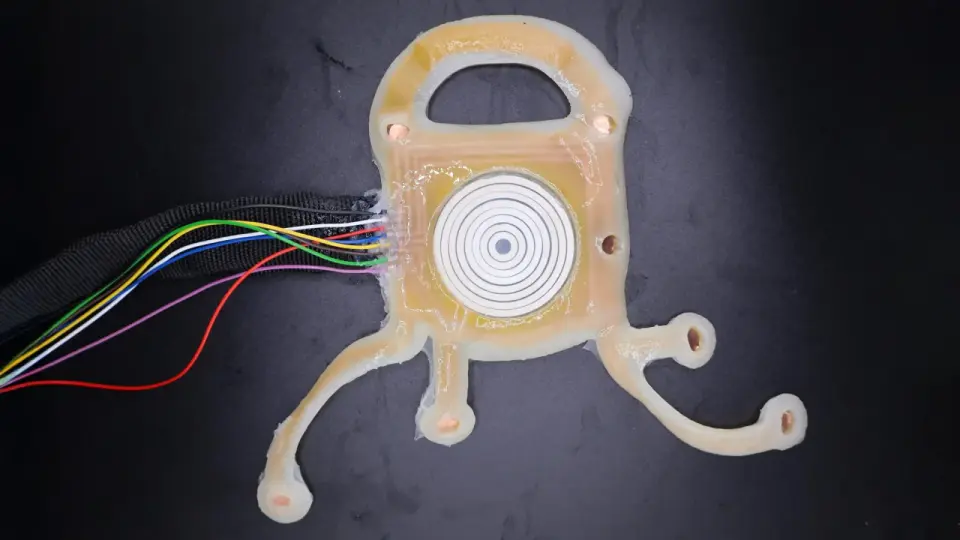
A new wearable patch from the University of Texas at Austin, called NEUSLeeP, uses gentle ultrasound to stimulate deep brain regions and improve REM sleep without drugs or surgery. In a trial of 28 people, the device helped participants reach REM sleep 43 minutes faster and stay in that stage 16 minutes longer. The technology also showed signs of improving stress regulation and emotional resilience, with plans for future trials targeting insomnia, depression, and PTSD.
Key points
- The NEUSLeeP patch combines ultrasound stimulation with electrodes to monitor brain activity in real time while targeting deep brain areas involved in sleep.
- In a study of 28 participants published in Nature Communications, the device reduced time to REM sleep by 43 minutes and extended REM duration by 16 minutes.
- Users reported the patch was comfortable and safe, with minimal adverse effects observed during the trial.
- Brain imaging revealed changes in emotion-related circuits, and heart rate variability increased, suggesting improved stress regulation and psychological resilience.
- The team is collaborating with UT’s commercialization unit, Discovery to Impact, and has filed a patent application to move the technology toward market availability.
Background
Recent research has highlighted the complex metabolic demands of REM sleep, such as the energy allocation paradoxes observed in mouse studies, where blood flow and fuel delivery do not always align with neuronal energy usage. Additionally, current sleep aids like cannabis often disrupt REM cycles, underscoring the need for non-invasive interventions that enhance rather than alter sleep architecture. This new technology builds on earlier developments in wearable ultrasound patches for monitoring cerebral blood flow and blood pressure, aiming to apply similar non-invasive principles to sleep enhancement.
Why it matters
This innovation offers a potential non-invasive alternative to medication and behavioral therapy for sleep disorders, which often have side effects or fail to address underlying REM disruptions. By targeting deep brain regions directly, the patch could help millions of people with depression, anxiety, and PTSD achieve restorative sleep, potentially improving mental health outcomes and overall well-being without the risks associated with invasive procedures or drugs.
What to watch
The research team plans to conduct larger studies to verify the initial results and evaluate the patch’s effectiveness for people with PTSD, depression, and chronic insomnia. They also aim to explore applications in home sleep monitoring, neuroscience research, and personalized sleep treatments, with commercialization efforts underway through UT’s Discovery to Impact unit.
Want the full story? Read the original reporting
Read on ScienceDaily