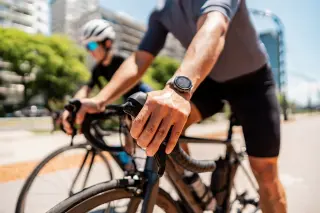
New Study Reveals Smartwatches Overestimate Calorie Burn by Up to 25%
A new study finds that popular smartwatches consistently overestimate calories burned during exercise by 15-25%, with accuracy varying by brand and user body composition.

All articles tagged with #wearable devices
A new study finds that popular smartwatches consistently overestimate calories burned during exercise by 15-25%, with accuracy varying by brand and user body composition.
New Lancet Public Health analysis of 160,000 adults finds that about 7,000 daily steps significantly lower risks of heart disease, dementia, cancer, diabetes, depression, falls, and premature death, with gains tapering after that point. The 10,000-step target originated from a 1960s marketing campaign for the Manpo-kei rather than solid science. Increasing steps from 2,000 to 4,000 improves cardiovascular health, and consistency matters more than chasing a universal number. For best results, pair brisk walking with regular movement, strength training, adequate sleep, and reduced sedentary time.

Your resting heart rate, measured while you’re awake and still, can signal overall health. Normal is 60–100 bpm, though very fit people may be lower; a rate above 100 bpm regularly can hint at anemia, infection or thyroid problems. Many factors influence it—age, sleep, smoking, cholesterol, diabetes, stress, hormones, medications—so watch patterns rather than a single number. If you routinely exceed 100, talk with a clinician, especially if you have fainting, dizziness, or shortness of breath. To measure it, check first thing in the morning for 15 seconds and multiply by four; wearables can help track it but aren’t always precise. Lower resting rate through sustained vigorous exercise, stress reduction, adequate sleep, and avoiding dehydration and excess substances; some meds and conditions can also lower it. Remember, it’s a marker, not a definitive health verdict.

A UK Biobank study of 72,174 adults wearing accelerometers found that increasing daily steps up to about 9,000–10,000 is linked to a 39% lower risk of death and a 21% lower risk of cardiovascular disease, with benefits already appearing around 4,000–4,500 steps and regardless of sedentary time; the study is observational and cannot prove causation, and high sedentary time still carries risks.

The article highlights the powerful features of the Apple Health app, emphasizing its integration with Apple Watch, third-party fitness trackers, medical records, and accessories to comprehensively monitor health metrics, organize data, and support healthier living in 2026.
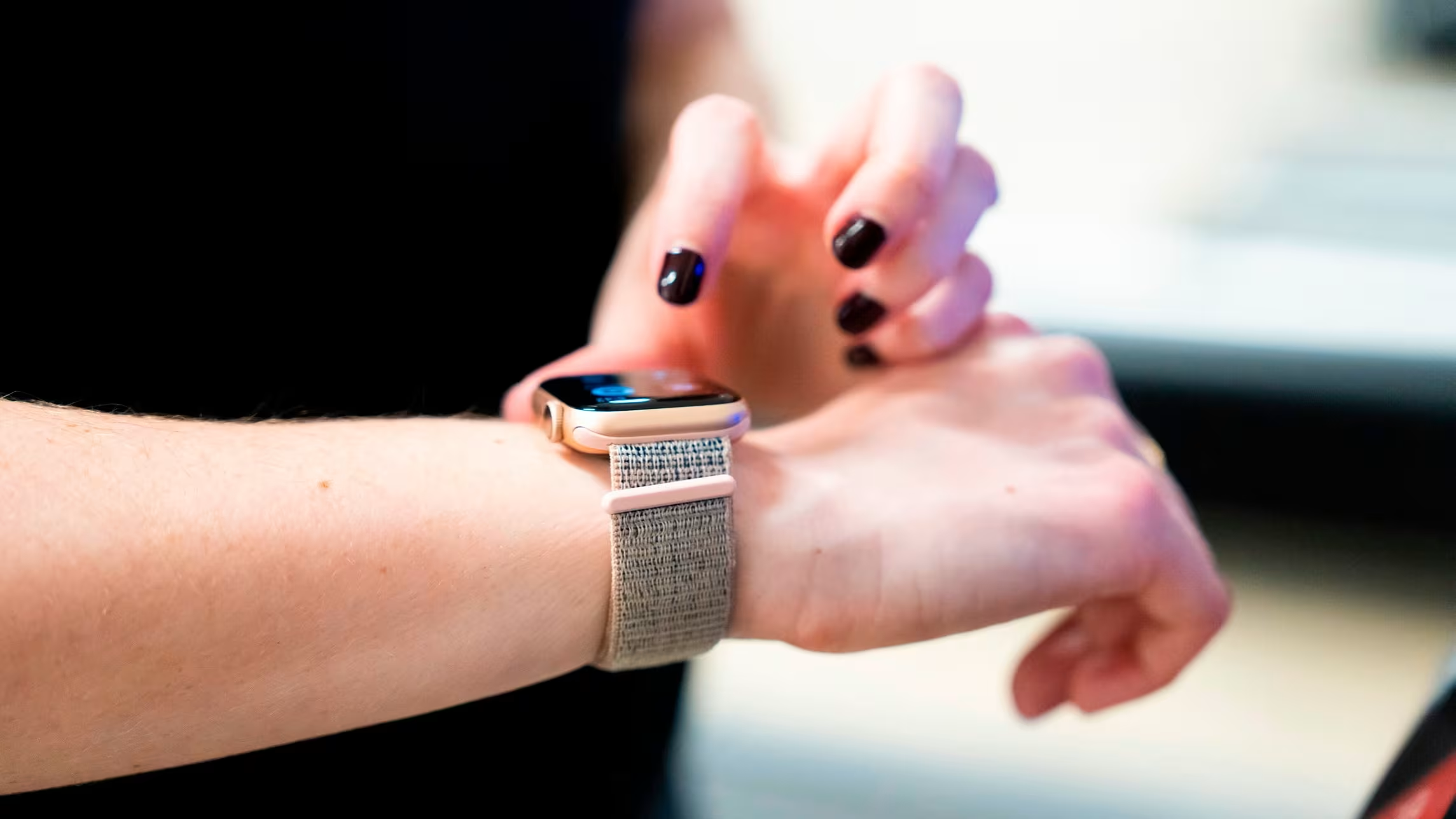
The article discusses the challenges and complexities of using step counts from wearable devices as a measure of physical activity and health, highlighting issues with accuracy, motivation, and the implications for public health data.
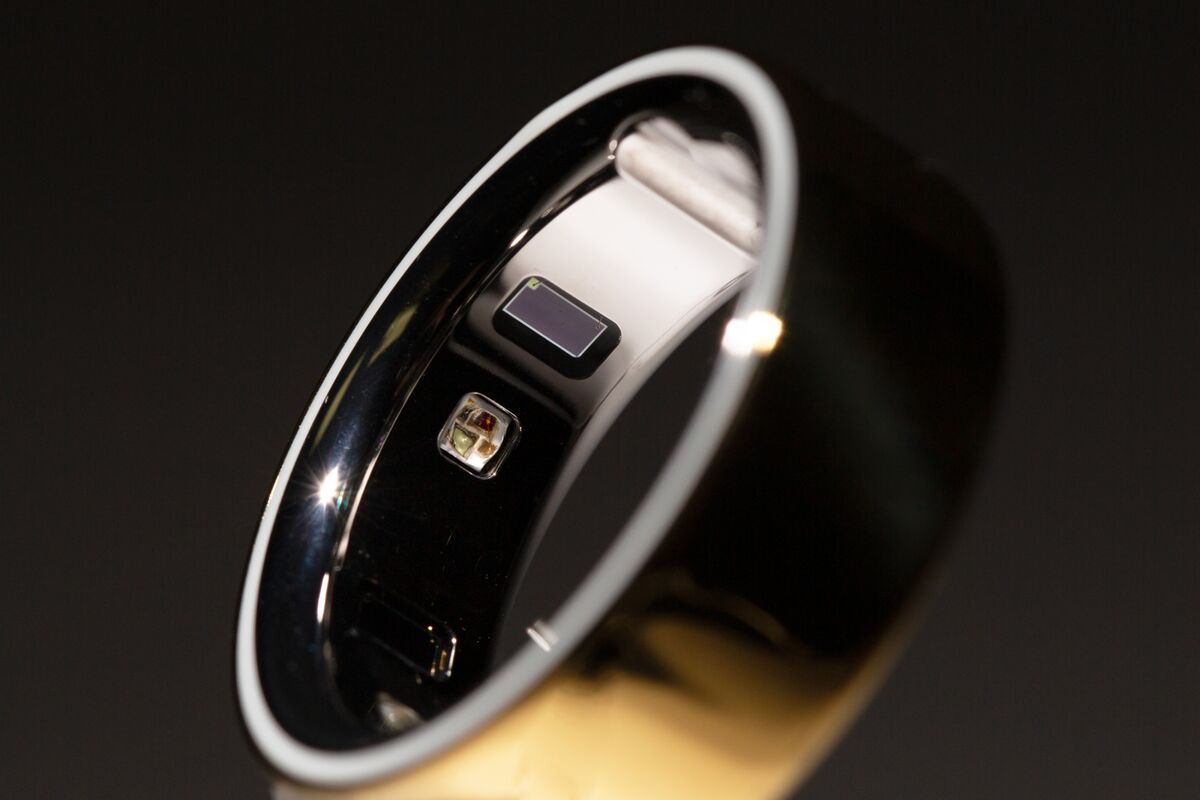
Oura Health plans to launch a study to develop a non-cuff blood pressure monitoring feature for its smart ring, aiming to detect early signs of hypertension passively and seeking FDA clearance, as part of a broader trend of integrating medical-grade health tracking into consumer wearables.

OpenAI is reportedly developing a range of AI-powered devices including a display-less smart speaker, glasses, a voice recorder, and a wearable pin, with plans to release them around 2026-2027, leveraging Apple’s supply chain and design expertise through a partnership with Jony Ive.
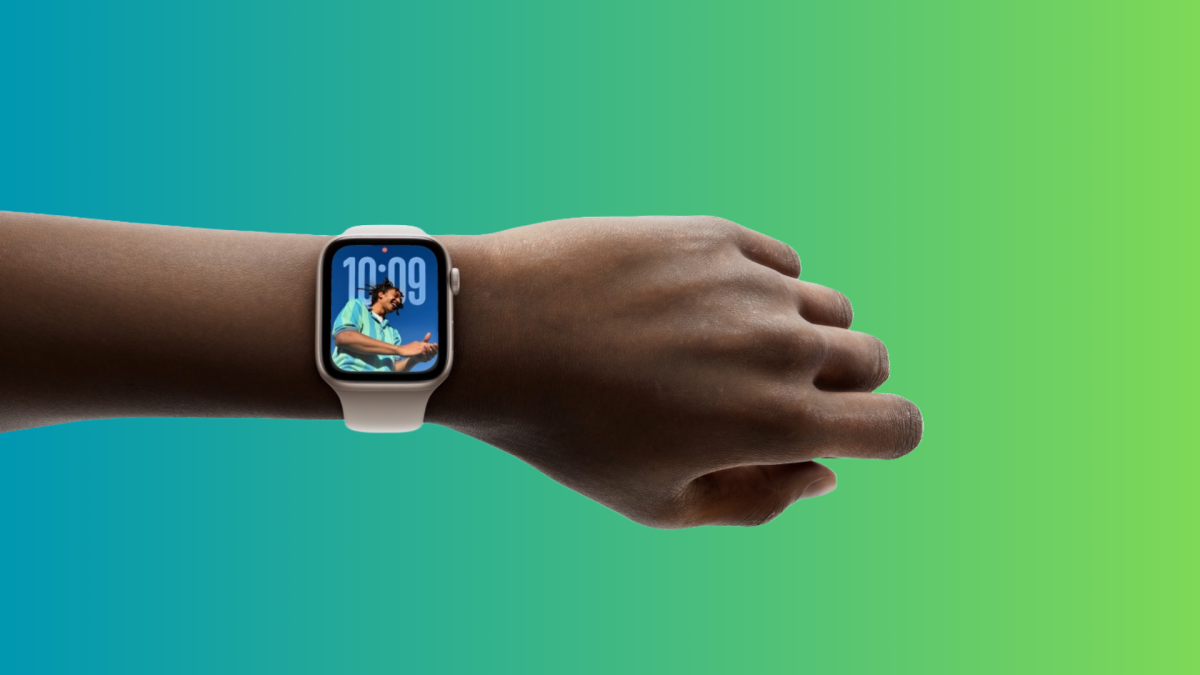
The article provides instructions on how to enable the new 'Wrist Flick' gesture feature in Apple's watchOS 26, enhancing user interaction with the Apple Watch.
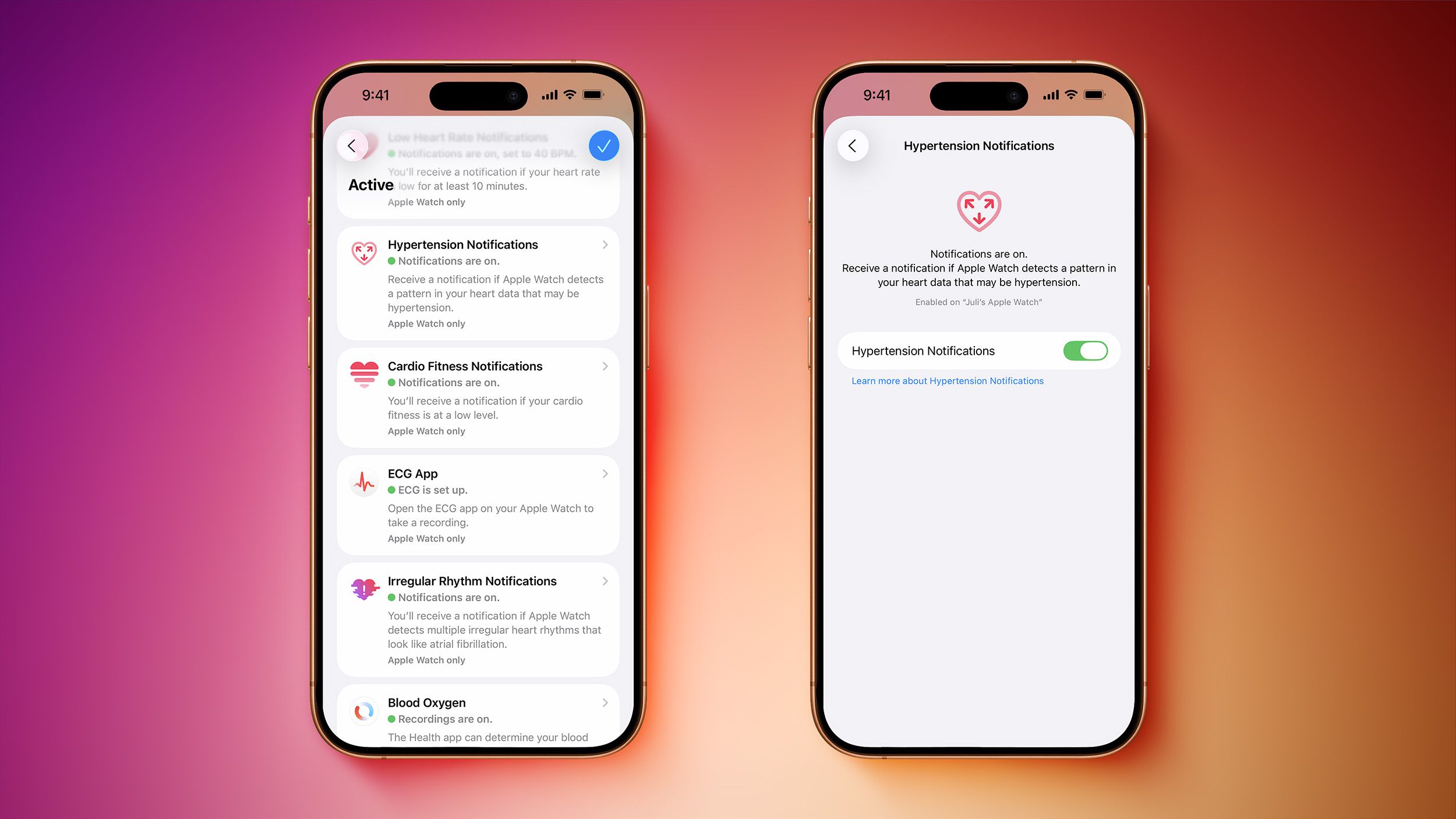
Apple Watch has introduced a new hypertension notifications feature that is now available, enhancing health monitoring capabilities for users at risk of high blood pressure.
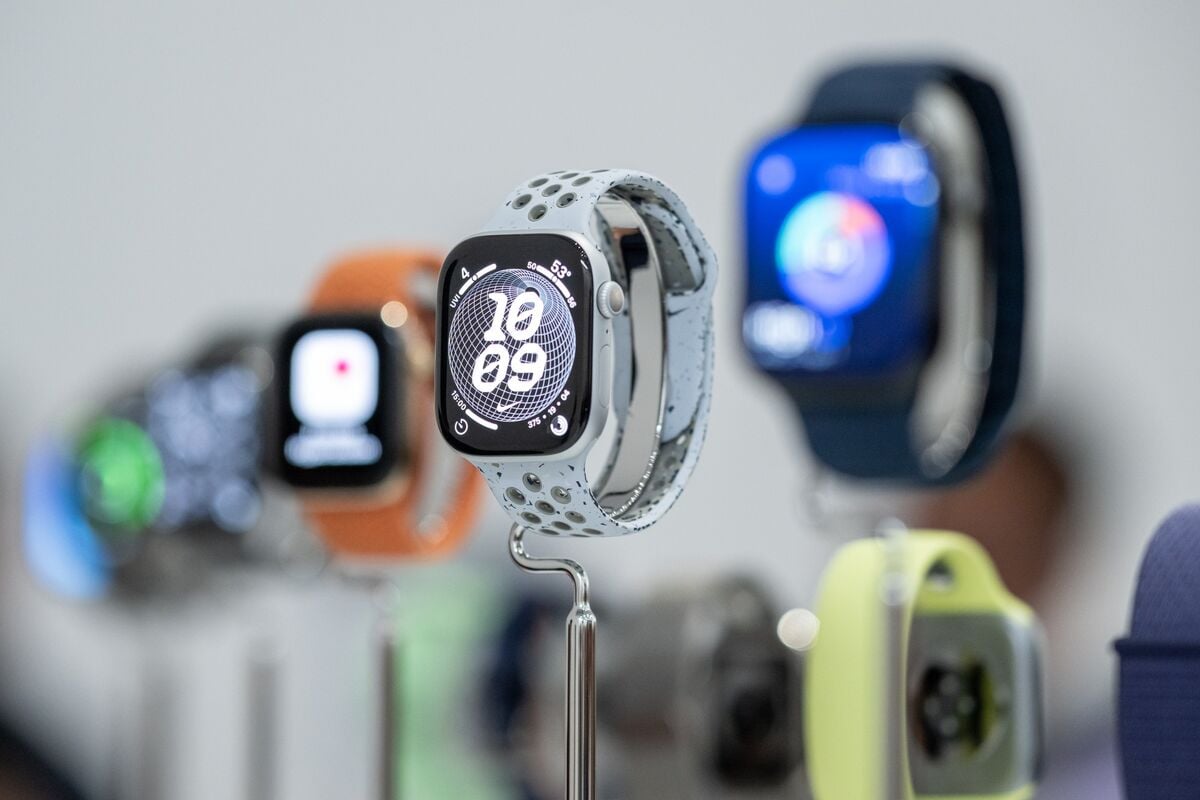
Apple announced that its hypertension detection feature for the Apple Watch, approved by the FDA, will be available next week in 150 countries, using optical heart sensor data to monitor blood vessel response and alert users to potential high blood pressure, expanding its health-focused features amid increasing competition.
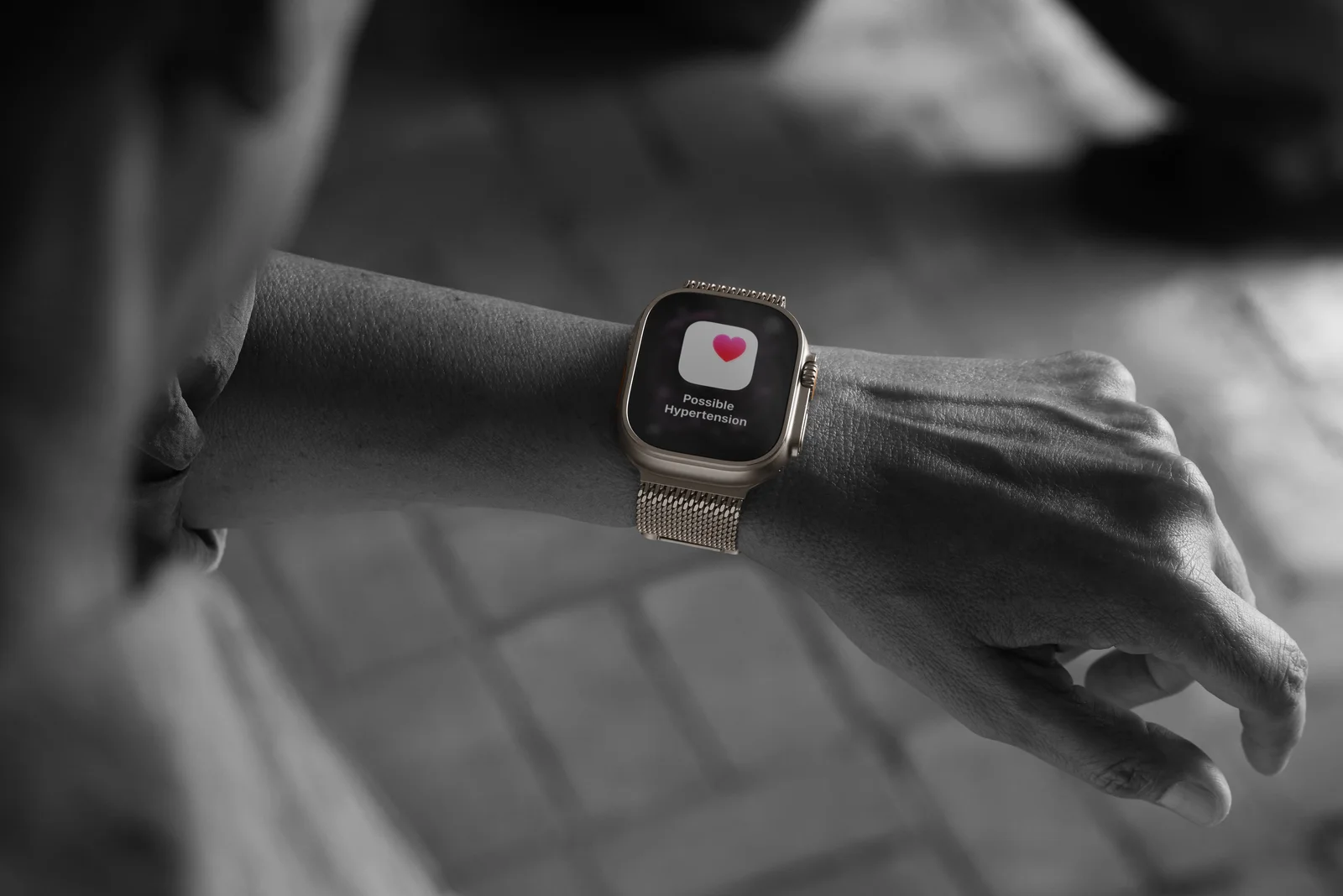
Older models of Apple Watch will soon feature hypertension alerts, enhancing health monitoring capabilities for users, especially benefiting those at risk of high blood pressure.
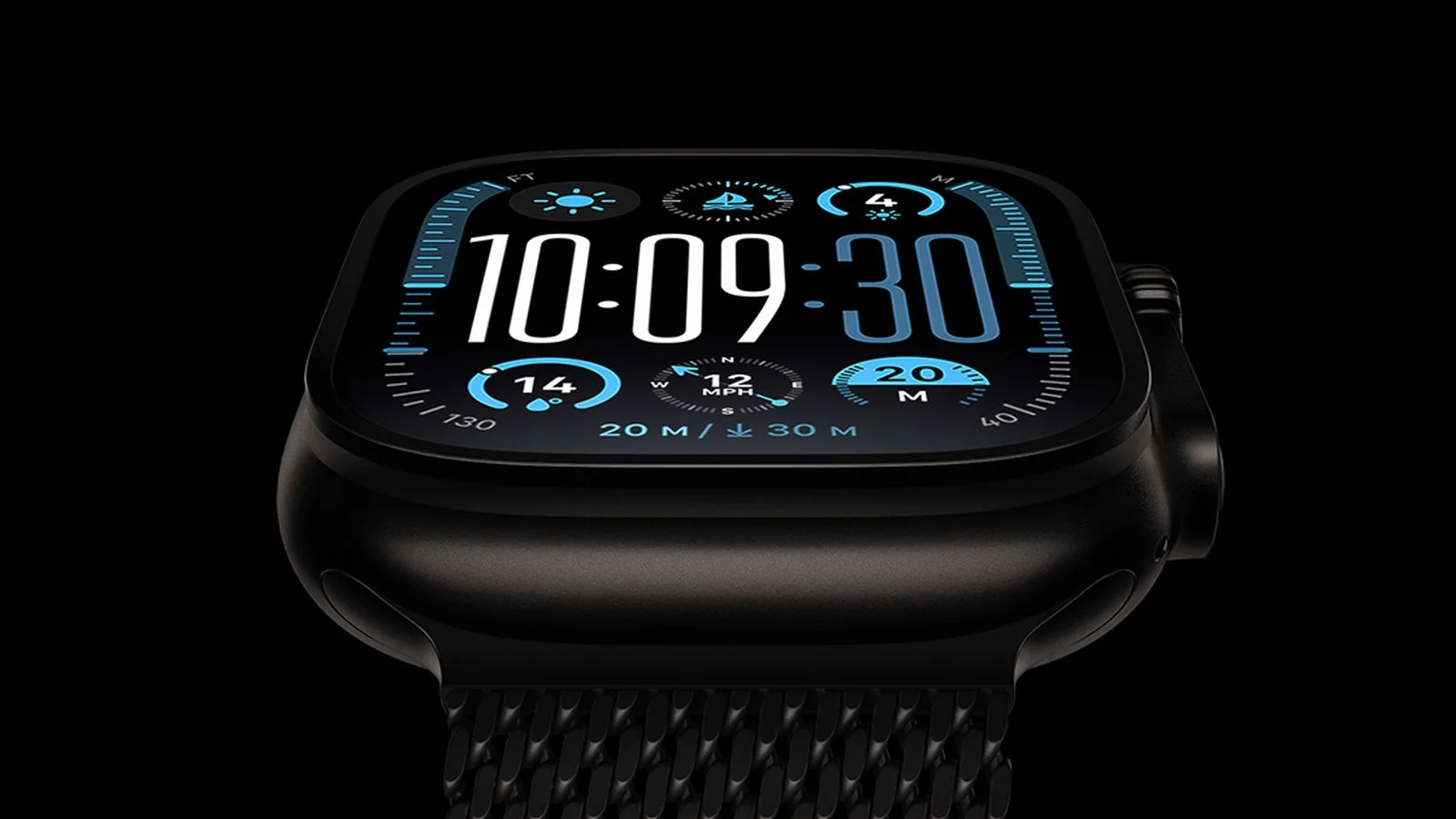
The Apple Watch Ultra 3 is expected to feature three significant display upgrades, enhancing its visual and functional capabilities.

Nathan Xu's bootstrapped company Plaud has sold over 1 million AI recording devices, like the NotePin, which transcribe and summarize conversations, targeting professionals such as doctors and lawyers. The company is profitable, with projected $250 million annual revenue, and has avoided VC funding, focusing on international markets and ethical use. Xu envisions a future where wearable AI devices are ubiquitous, surpassing smartphones in popularity, and aims to build a significant valuation through expanding its AI tools and hardware.

Apple is introducing live translation features to AirPods, enhancing real-time language translation capabilities for users.