
GLP-1 Users Face Dual Stigma, Leading to Hidden Treatment and Altered Medical Choices
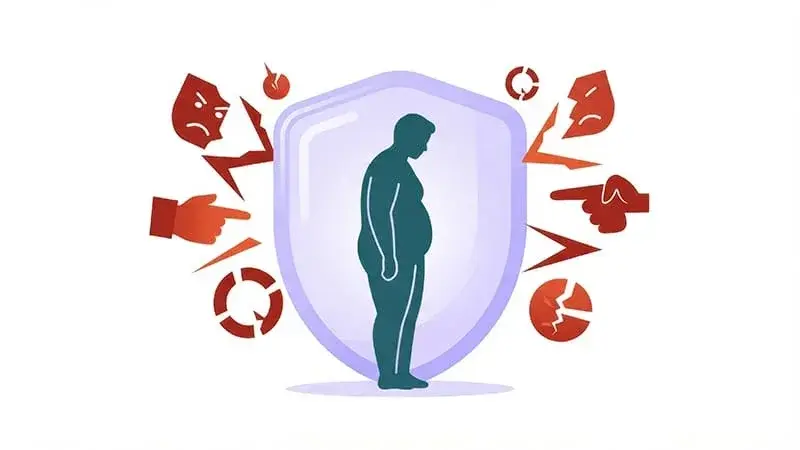
A new study reveals that individuals taking GLP-1 medications face a 'double stigma' for their body size and their choice of medical treatment. This social pressure leads many patients to hide their medication use, alter dosing without supervision, or seek alternative providers to avoid judgment. Clinicians are urged to use empathetic, open-ended communication to counteract these barriers and ensure patients feel safe discussing their health goals.
Key points
- Approximately 11% of US adults are currently taking GLP-1s for weight loss, a rate nearly four times higher than in 2024, according to Gallup.
- A qualitative study in Health Communication found that 34 participants experienced judgment for both their weight and their use of medication, often described as 'cheating' or taking a shortcut.
- To manage stigma, many patients withhold information from family and friends or frame their treatment as a medical necessity rather than a lifestyle choice.
- Stigma can influence medical decisions, with some patients seeking telehealth services or medical spas to avoid in-person judgment from traditional clinicians.
- Some individuals adjust doses or frequency without medical oversight to manage social perceptions or achieve specific aesthetic goals.
- Clinicians are advised to use open-ended questions and avoid language that implies patient failure, instead framing GLP-1s as tools for managing complex health conditions.
Background
This issue follows recent debates over the terminology used for these drugs, including President Trump’s use of 'fat shots,' which drew criticism for stigmatizing obesity. Previous coverage also highlighted concerns about high-dose regimens and the emerging trend of unsupervised 'microdosing,' where patients self-adjust doses to minimize side effects or manage weight, often without medical guidance.
How outlets are covering it
Medscape emphasizes the communication strategies patients use to navigate stigma, such as withholding information or acting as educators to justify their treatment. The Good Men Project highlights the broader cultural impact, noting how social media and celebrity endorsements shape body image expectations. While Medscape focuses on the interpersonal dynamics between patients and their social networks, The Good Men Project points to the role of media in creating unrealistic standards that exacerbate anxiety and the desire for quick fixes. Both sources agree that stigma creates isolation, but Medscape details the specific tactics patients use to cope, whereas The Good Men Project focuses on the psychological toll and the societal pressure to conform to idealized physiques.
Why it matters
Stigma surrounding GLP-1 use can lead to dangerous behaviors, such as unsupervised dose adjustments, and may prevent patients from seeking necessary care. It also complicates the doctor-patient relationship, as patients may hesitate to disclose their true motivations or concerns. Addressing this stigma is crucial for ensuring that obesity treatment is viewed as a legitimate medical intervention rather than a moral failing, thereby improving patient outcomes and adherence.
What to watch
Healthcare providers are encouraged to adopt patient-centered approaches that validate patient experiences and reduce shame. This includes using empathetic language, asking open-ended questions about concerns, and clearly explaining the medical rationale for GLP-1 use. As GLP-1s expand into new therapeutic areas, the need for destigmatized, inclusive healthcare conversations will likely grow, requiring ongoing education for both clinicians and the public.
- Patients Taking GLP-1s Face a Double Dose of Stigma Medscape
- How Are Glp-1s Reshaping the Conversation Around Weight Loss? The Good Men Project
Want the full story? Read the original reporting
Read on Medscape