
Digital Overload: How to Restore Focus and Mental Health
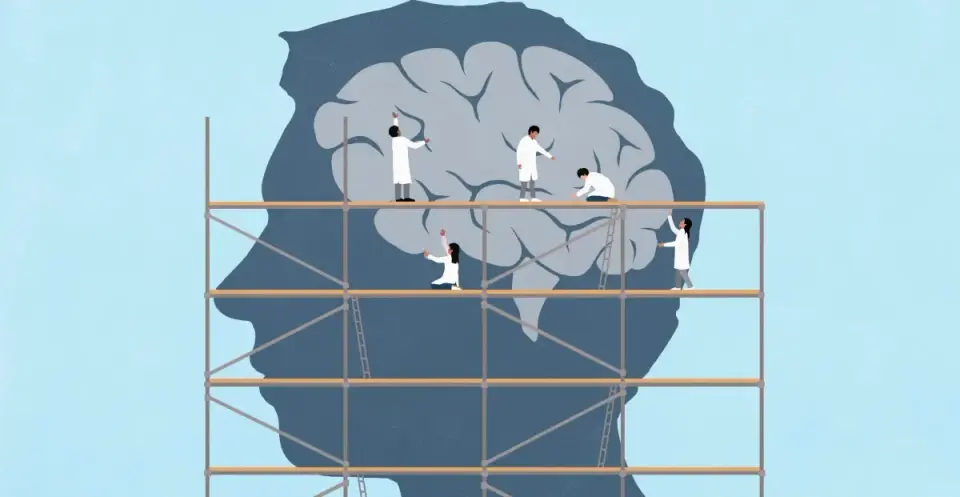
Excessive screen time and short-form media consumption are linked to 'brain rot,' a state of cognitive fatigue that impairs focus and emotional regulation. Experts advise that the brain’s ability to focus is not permanently damaged but requires intentional rest and reduced digital input to recover. Strategies include nature exposure, setting media limits, and avoiding the use of devices as a primary source of relaxation.
Key points
- The human brain processes information sequentially; frequent task-switching drains cognitive resources and reduces future attention capacity.
- Cognitive fatigue is physical, involving reduced blood flow to the prefrontal cortex, which manages executive function.
- Attention restoration theory suggests that involuntary attention, such as focusing on natural scenery, allows the brain to recover directed attention resources.
- Constant digital input can trigger neurochemical responses similar to addiction, leading to withdrawal-like symptoms when devices are removed.
- Younger individuals are more vulnerable due to underdeveloped prefrontal cortices, which are essential for emotional regulation and self-control.
- Blocking mobile internet for two weeks has been shown to improve sustained attention and mental health, equivalent to being ten years younger in some metrics.
Background
The concept of 'TikTok brain' or 'brain rot' has emerged as a cultural descriptor for the perceived decline in attention spans due to the dominance of short-form video and social media. While some view this as a new 21st-century affliction, experts note that the brain’s fundamental capacity for focus remains intact, similar to previous generations. The current challenge is the constant demand for dopamine-driven stimulation, which conflicts with the brain’s natural need for rest and recovery.
How outlets are covering it
Vox emphasizes the structural nature of attention, arguing that the issue is not a permanent loss of capability but a failure to manage cognitive resources. It highlights the distinction between involuntary attention (which is limitless) and voluntary attention (which is finite and depletable). Vox advocates for 'attention restoration theory,' suggesting that nature-based activities help replenish cognitive resources. In contrast, Pigeon605, citing Sanford Health, frames the issue through the lens of addiction and mental health. It highlights that digital input can trigger neurochemical pathways similar to substance use, leading to anxiety and hopelessness. Pigeon605 also emphasizes the developmental risks for youth, noting that their prefrontal cortices are not fully formed, making them less capable of regulating media consumption. While Vox focuses on the mechanics of attention recovery, Pigeon605 focuses on the psychological and emotional consequences of overconsumption.
Why it matters
Understanding the mechanics of attention and the impact of digital consumption is crucial for maintaining mental health and productivity. The inability to focus is not just a personal failing but a systemic issue driven by the design of modern media. Recognizing that cognitive fatigue is a physical state, not a character flaw, allows for more effective strategies to restore balance. Furthermore, the potential for long-term mental health impacts, such as anxiety and isolation, underscores the need for intentional media habits and boundaries.
What to watch
Experts recommend a shift from passive consumption to intentional engagement. This includes setting strict time limits for media use, creating media-free zones in the home, and prioritizing in-person social connections. Individuals are encouraged to practice 'attention mindfulness,' being aware of where their focus is at any given moment. For those struggling with the effects of digital overload, therapy and integrative health approaches may be beneficial to address underlying emotional issues and develop coping strategies.
Want the full story? Read the original reporting
Read on vox.com