
Doctors Warn Tight Clothing on Flights May Worsen Circulation and Clot Risks
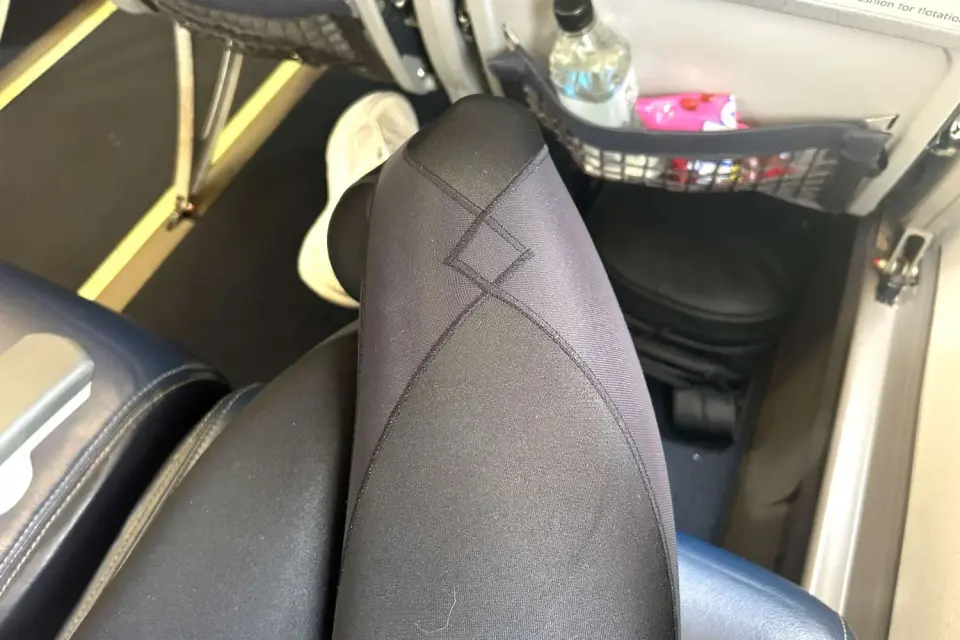
Medical experts advise against wearing tight-fitting clothing like leggings on long flights, as restricted circulation may increase the risk of discomfort and deep vein thrombosis. While the absolute risk of travel-related blood clots is low, experts recommend loose, breathable garments and regular movement to maintain healthy blood flow during extended travel.
Key points
- Tight clothing can compress sensory nerves and restrict venous return, potentially causing 'burning thigh syndrome' or worsening swelling during long flights.
- Deep vein thrombosis (DVT) risk rises on flights exceeding four hours, with an estimated 18% increase in risk for every additional two hours of travel.
- The absolute risk of symptomatic DVT from long flights is low, affecting approximately 2 in 10,000 travelers, but higher for those with risk factors like age, pregnancy, or family history.
- Experts recommend loose, lightweight pants with flexible waistbands, along with hydration, compression stockings, and regular ankle exercises to promote circulation.
- Sedentary behavior is linked to broader health risks, including cancer and diabetes, prompting recommendations for frequent breaks and movement during travel.
Background
Recent discussions on travel health have expanded beyond immediate flight discomfort to include long-term sedentary risks. While previous coverage focused on market trends like gold prices, current health advisories emphasize the physiological impacts of prolonged sitting. Experts note that reduced physical activity can lower metabolism and increase inflammation, linking sedentary habits to higher risks of cancer and diabetes. This broader context underscores the importance of movement and proper attire during travel to mitigate both acute and chronic health issues.
How outlets are covering it
Travel + Leisure focuses on comfort and preventative medicine, with Dr. Kristin McKitish highlighting that tight leggings can cause nerve compression and pain without offering the circulatory benefits of compression garments. Seoul Economic Daily and Yahoo News Singapore emphasize the vascular risks, citing Dr. Alan Dietzek and Dr. David Garcia, who warn that tight clothing can impede blood return to the heart, potentially worsening DVT symptoms. While Travel + Leisure suggests specific loose-fitting alternatives like wide-leg pants, the medical sources stress that clothing is only one factor; movement, hydration, and medication adherence are equally critical. The Korean source, 헬스조선, broadens the scope to general sedentary lifestyle risks, linking prolonged sitting to cancer and diabetes, and recommends the '50-10 rule' for regular movement. There is no direct disagreement, but the emphasis shifts from immediate comfort (Travel + Leisure) to life-threatening clot risks (Seoul Economic Daily/Yahoo) and long-term health consequences (헬스조선).
Why it matters
Understanding the link between clothing and circulation helps travelers make informed choices to reduce discomfort and potential health risks. While the absolute risk of DVT is low, preventive measures like wearing loose clothing and moving regularly can significantly mitigate risks, especially for vulnerable groups. This advice is crucial for holiday travelers who may be at higher risk due to prolonged sitting and limited mobility.
What to watch
Travelers are encouraged to adopt loose, breathable clothing and follow CDC recommendations for movement and hydration during long trips. Medical professionals may continue to emphasize the importance of compression stockings and medication adherence for high-risk individuals. Future research may further explore the specific impacts of clothing tightness on circulation during extended travel.
- A Doctor Told Me Wearing Leggings on a Plane Could Be Dangerous—Here’s What to Wear Instead Travel + Leisure
- Tight Clothes on Long Flights Raise Blood Clot Risk, Doctors Warn Seoul Economic Daily
- Blood Clot Busters: 6 Tips to Prevent VTE During Holiday Travel Yahoo News Singapore
- Sedentary Lifestyle Raises Cancer and Blood Clot Risks, Emergency Medicine Professor Recommends the 50-10 Rule 헬스조선
Want the full story? Read the original reporting
Read on Travel + Leisure