Tag

Deep Vein Thrombosis

All articles tagged with #deep vein thrombosis

Doctors Warn Tight Clothing on Flights May Worsen Circulation and Clot Risks
health-and-travel13 days ago

Doctors Warn Tight Clothing on Flights May Worsen Circulation and Clot Risks

Medical experts advise against wearing tight-fitting clothing like leggings on long flights, as restricted circulation may increase the risk of discomfort and deep vein thrombosis. While the absolute risk of travel-related blood clots is low, experts recommend loose, breathable garments and regular movement to maintain healthy blood flow during extended travel.


Common Lifestyle Habits and Medical Conditions Drive High US Blood Clot Rates
health1 month ago

Common Lifestyle Habits and Medical Conditions Drive High US Blood Clot Rates

Deep vein thrombosis (DVT) affects up to 900,000 Americans annually, often triggered by common factors like prolonged immobility, recent surgery, or specific medications. While the condition can strike younger individuals without obvious medical history, early recognition of symptoms such as leg swelling or pain is critical. Experts emphasize that maintaining active circulation through movement, wearing compression garments, and adhering to post-surgical protocols can significantly reduce risk. The recent diagnosis of Philadelphia Eagles quarterback Jalen Hurts highlights how travel and physical strain can exacerbate clot formation, underscoring the need for vigilance in both athletic and general populations.

Coroner finds Lady Joan Branson's death preventable due to missed blood-thinner protocol
health2 months ago

Coroner finds Lady Joan Branson's death preventable due to missed blood-thinner protocol

A British coroner concluded that Lady Joan Branson, wife of billionaire Richard Branson, died from a preventable pulmonary embolism caused by deep vein thrombosis. The inquest found that she was not administered preventive anticoagulant medication despite being at high risk due to immobility after a fall on Necker Island. While the coroner ruled the death likely preventable, she clarified it was not an act of neglect, as the patient did receive medical care. The case highlights the critical importance of balancing bleeding risks with clot prevention in hospitalized patients.

Emergency Physicians Warn Against Ignoring Five Specific Types of Pain
health2 months ago

Emergency Physicians Warn Against Ignoring Five Specific Types of Pain

Emergency medicine experts advise that certain types of pain should never be ignored, as they may signal life-threatening conditions. Key warning signs include sudden, persistent pain anywhere in the body; chest pain, especially in those with heart risk factors; calf pain accompanied by redness or swelling, which may indicate a blood clot; upper back pain with a tearing sensation, potentially signaling an aortic issue; and lower abdominal or flank pain, which could indicate kidney stones, infections, or appendicitis. While some pain may be benign, such as heartburn, medical professionals recommend erring on the side of caution and seeking evaluation to rule out serious underlying issues.

RHOC Alum Jeana Keough’s Cancer Battle Pauses as DVT and Infection Slows Treatments
entertainment4 months ago

RHOC Alum Jeana Keough’s Cancer Battle Pauses as DVT and Infection Slows Treatments

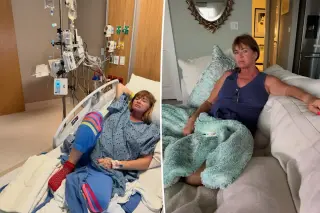
Real Housewives of Orange County alum Jeana Keough’s tongue cancer treatment has been paused after doctors found a deep vein thrombosis in her leg and an infection, delaying a feeding-tube procedure and forcing chemotherapy and radiation to pause temporarily; her daughter Kara posted updates and a GoFundMe campaign was launched to support her care as the family prays for quick clearance of the infection so she can resume treatment.

Five Pain Alerts That Warrant Quick Medical Checkups
health4 months ago

Five Pain Alerts That Warrant Quick Medical Checkups

Medical experts say certain pains should never be ignored: sudden, persistent pain; chest pain especially if new or worsening; calf pain with redness or swelling (possible deep vein thrombosis); upper back pain with a tearing sensation (potential aorta issue); and lower abdominal or flank pain that could signal kidney problems, infection, or appendicitis. If you’re worried, seek prompt evaluation at the ER or urgent care as appropriate, keeping in mind that costs matter but safety comes first.

Hidden signs of deadly lung clots: a cardiologist explains under-diagnosed pulmonary embolism
health9 months ago

Hidden signs of deadly lung clots: a cardiologist explains under-diagnosed pulmonary embolism

Cardiologists warn that pulmonary embolism, often beginning as a leg DVT, can present with chest pain, breathlessness, a racing heart, or blue-tinged lips/nails and is frequently missed, especially in milder cases. Cancer markedly increases clot risk, which may explain Catherine O’Hara’s death from an embolism, and prolonged immobility (like long flights) also raises risk. Prevention includes staying mobile and wearing compression socks on long journeys; treatment usually involves anticoagulants and, in severe cases, surgery. Early recognition is crucial since large emboli can be fatal within hours, though smaller clots can be dangerous if untreated.

Victor Wembanyama's Height and Performance Surge Boost Spurs' NBA Outlook
sports1 year ago

Victor Wembanyama's Height and Performance Surge Boost Spurs' NBA Outlook

Victor Wembanyama, the Spurs' young star, experienced a life-changing health scare with a deep vein thrombosis, leading to surgery and a focus on health and personal growth. He has since become healthier, taller, and more motivated, using his recovery time to explore new experiences like space training and meditation, which have positively impacted his life and career prospects.

"Understanding May-Thurner Syndrome: Lauren Boebert's Diagnosis and Treatment"
health2 years ago

"Understanding May-Thurner Syndrome: Lauren Boebert's Diagnosis and Treatment"

May-Thurner syndrome, a condition affecting blood flow, gained attention after Rep. Lauren Boebert was diagnosed and hospitalized with severe swelling in her upper left leg, undergoing surgery to remove a blood clot and insert a stent. The syndrome occurs when the left iliac vein is compressed by the right iliac artery, making it difficult for blood to flow back to the heart and potentially leading to deep vein thrombosis. Symptoms include swelling, heaviness in legs, and varicose veins, and treatment options range from blood thinners to surgery.

"22-year-old Woman's Near-Death Experience: Nurse Dismisses Leg Pain as Laziness"
health2 years ago

"22-year-old Woman's Near-Death Experience: Nurse Dismisses Leg Pain as Laziness"

A 22-year-old estate agent, Maela Penney, nearly died from six blood clots after a nurse practitioner dismissed her leg pain as being due to laziness. Despite being sent home with painkillers, her condition worsened, leading to a diagnosis of deep vein thrombosis (DVT) and emergency treatment. Penney has since lost trust in medical professionals and urges others to seek a second opinion if they feel something is not right, emphasizing the importance of persistence in advocating for one's health.

Uncovering Hidden Clues: Leg Pain Misdiagnosis and Blood Clot Detection
health3 years ago

Uncovering Hidden Clues: Leg Pain Misdiagnosis and Blood Clot Detection

A blood clot in the leg, known as deep vein thrombosis (DVT), can have serious consequences if left untreated. It is important to be aware of the signs, which may include throbbing pain, swelling, redness, warmth, shortness of breath, and a thickening or firmness of the leg vein. Some blood clots may have invisible symptoms or go unnoticed, making it crucial to seek medical attention if you have leg pain or other concerning symptoms. Lifestyle changes, such as staying active, wearing loose-fitting clothing, and raising your legs, can help lower the risk of developing a blood clot. If diagnosed with DVT, anticoagulant medications may be prescribed to prevent further clotting. Immediate medical attention is necessary if symptoms of a pulmonary embolism, such as sudden shortness of breath, chest pain, or coughing with blood, occur.

Understanding and Managing Blood Clots: Expert Insights
health3 years ago

Understanding and Managing Blood Clots: Expert Insights

Blood clots can cause various symptoms depending on their location in the body. Clots in veins or arteries can result in pain, numbness/tingling, swelling, and skin warmth. Blood clots in the lungs, heart, or brain can be life-threatening and cause symptoms such as chest pain, shortness of breath, and altered mental state. Common causes of blood clots include inactivity, smoking, atherosclerosis, obesity, surgery, and cancer. It is important to seek medical attention if you experience symptoms of a blood clot, as early diagnosis and treatment can prevent complications and save lives.

The Unexpected Road Trip Habit That Could Save Your Life, According to Doctors
health3 years ago

The Unexpected Road Trip Habit That Could Save Your Life, According to Doctors

Cardiologists emphasize the importance of taking breaks during long car rides to prevent the development of blood clots, which can be life-threatening. Sitting for extended periods disrupts blood flow, leading to the formation of clots in the deep veins of the legs. These clots can potentially travel to the lungs and cause a pulmonary embolism. Everyone, regardless of age or health condition, should plan to get out of the car and move around every one to two hours during trips lasting at least four hours. Staying hydrated, wearing compression socks, and performing leg exercises in the car can also help reduce the risk of blood clots.

The Legacy of NBC's David Bloom: Remembering the Dangers of Deep Vein Thrombosis.
health3 years ago

The Legacy of NBC's David Bloom: Remembering the Dangers of Deep Vein Thrombosis.

David Bloom, a war correspondent, died due to a complication from deep vein thrombosis (DVT) caused by a blood clot that traveled to his lungs. His family established March as National DVT Awareness Month to spread awareness about the condition. DVT occurs when a blood clot forms in a deep vein, usually in the lower leg, thigh, or pelvis, and can lead to long-term problems such as pain, swelling, and leg sores. Risk factors include injury to a vein, slow blood flow, increased estrogen, and chronic illness. Symptoms may include swelling, pain, tenderness, and skin redness. Prevention includes getting up and moving regularly, doing calf exercises and foot pumps, and wearing compression stockings if you've had blood clots before.