
Seattle Graduate Grace Yockey Embraces Intergenerational Living to Care for Grandmother with Dementia
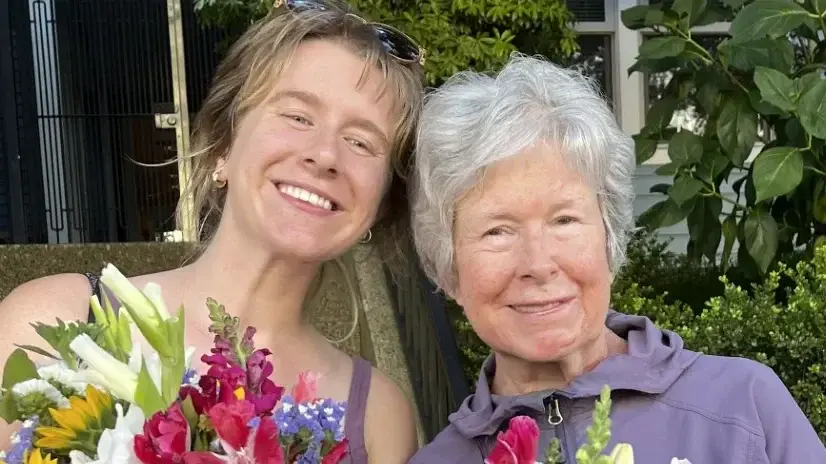
Grace Yockey, 24, moved into her grandmother’s Seattle condo in October 2025 to provide full-time care for Valerie Yockey, 83, who has dementia. Yockey describes the arrangement as a positive experience that has strengthened family bonds and allowed her to maintain a remote job and social life. Her family coordinates care through a group chat, with relatives providing daily support and medical assistance. Yockey uses social media to share their daily routines, connecting with other young caregivers and highlighting the benefits of intergenerational living for both the caregiver and the patient.
Key points
- Grace Yockey, 24, moved into her grandmother Valerie Yockey’s Seattle condo in October 2025 to provide full-time care after Valerie’s dementia progressed.
- Valerie Yockey, 83, was diagnosed with dementia in 2018, with symptoms worsening during the pandemic, leading to restrictions on her driving and financial access.
- Yockey’s family established a coordinated care system, including daily visits from her uncle, afternoon phone calls, and evening relief from her younger sisters, allowing Yockey to work remotely and maintain a social life.
- Yockey’s mother, a nurse, handles medical aspects of care, while the family uses a group chat to coordinate tasks and support.
- Yockey shares videos of their daily routines on Instagram, which have attracted over 20,000 followers and created a community for young caregivers.
- Yockey cites financial benefits, such as free rent, and emotional benefits, including addressing anticipatory grief and strengthening family bonds, as reasons for the arrangement.
Background
This story highlights the growing trend of young adults providing care for aging relatives, a phenomenon driven by the increasing senior population and financial pressures on Gen Z. The U.S. Census Bureau reports that the share of Americans aged 65 and older rose from 12.4% in 2004 to 18% in 2024, intensifying concerns about caregiving support. The Caregiving in the US 2025 report from AARP and the National Alliance for Caregiving notes that nearly 1 in 5 caregivers are between 18 and 34 years old. Intergenerational living has emerged as a practical solution for some families, balancing caregiving needs with financial constraints and emotional well-being.
Why it matters
The story underscores the critical role of family caregivers in addressing the growing demand for elder care in the United States. As the senior population expands, the strain on formal care systems increases, making informal family support essential. Yockey’s experience illustrates how intergenerational living can mitigate financial burdens and provide emotional benefits for both caregivers and patients. Her use of social media to share her experiences also highlights the potential for online communities to support young caregivers, reducing isolation and offering practical advice. This case study contributes to broader discussions about sustainable caregiving models and the importance of family coordination in managing chronic conditions like dementia.
What to watch
Yockey and her family will continue to monitor Valerie’s dementia progression and adjust their care system as needed. Yockey plans to maintain her social media presence to support other young caregivers and share insights on intergenerational living. The family will likely continue to coordinate care through their group chat, ensuring that Valerie’s needs are met while Yockey balances work and personal life. There is no indication of a change in Valerie’s living situation, as the current arrangement appears to be working effectively for the family.
Want the full story? Read the original reporting
Read on USA Today