
"Incorporating Physical Activity for Autism Inclusion"
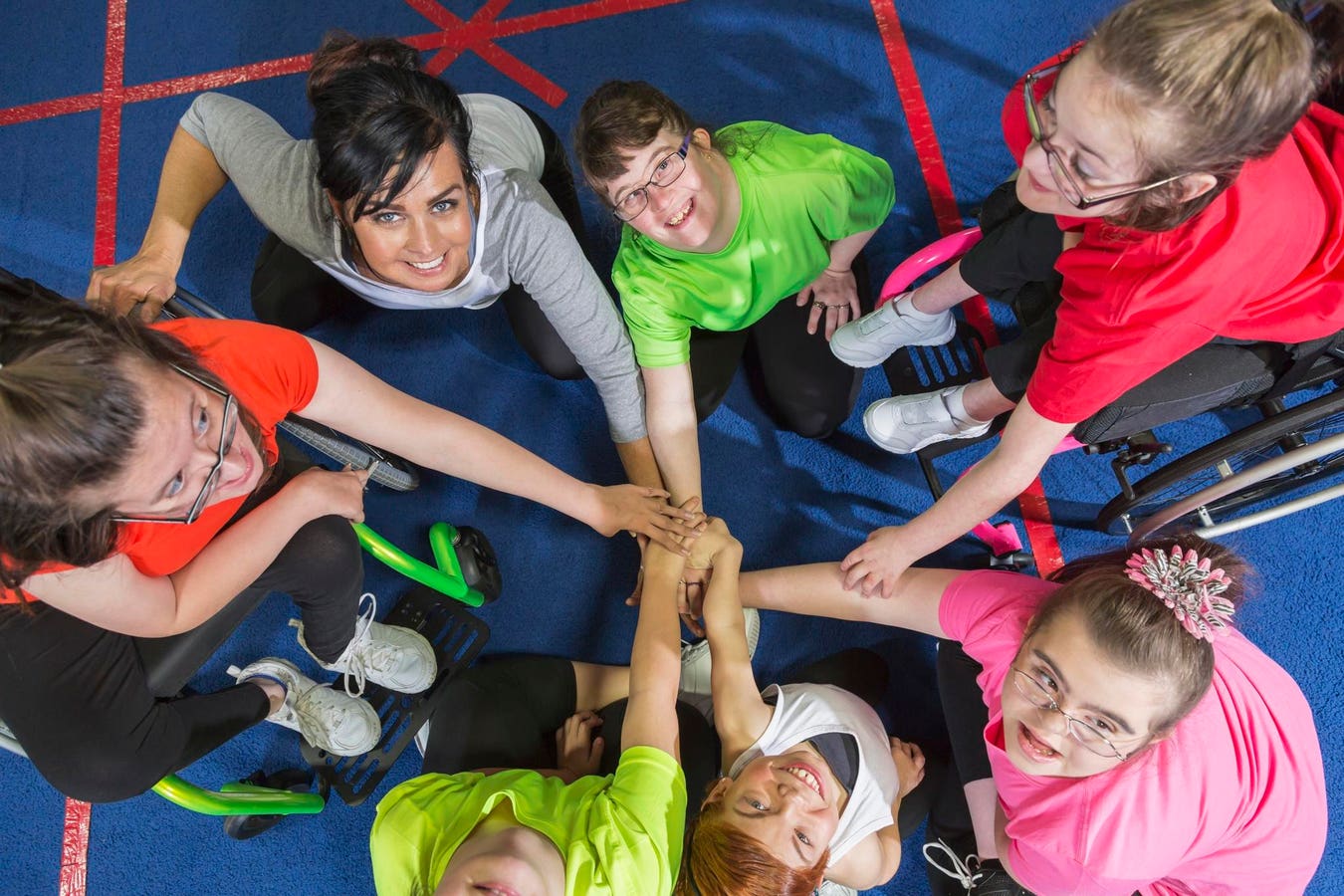
Research has highlighted the increased risk of obesity and physical inactivity in individuals with autism spectrum disorders (ASD), emphasizing the need for tailored approaches to promoting physical fitness and healthy lifestyles within this population. Physical activity has been found to positively affect social skills and behavior in autistic children and adolescents, with activities like martial arts being particularly beneficial. However, barriers exist to preventing individuals with special needs from attending fitness classes, and the fitness industry must embrace inclusion and provide accessible options for all, focusing on the holistic well-being of individuals rather than just physical appearance.
Reading Insights
0
10
5 min
vs 6 min read
91%
1,076 → 97 words
Want the full story? Read the original article
Read on Forbes