
health-and-wellness17.75 min read
Nutritionists Share Their Daily Meal Strategies for Balanced Eating
9 hours ago•Source: The Independent

The latest health and wellness stories, each synthesized from multiple sources with added background and context.
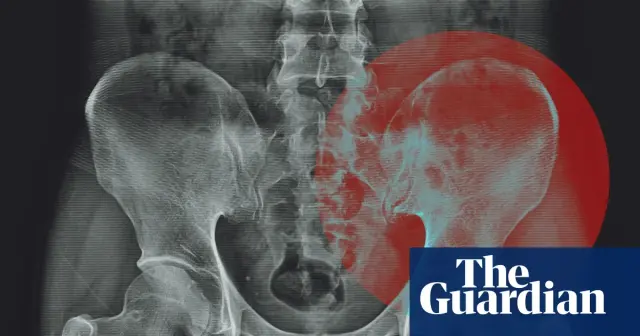
The popular wellness claim that hips act as emotional storage units for trauma is not supported by scientific evidence. While stress can increase muscle tension, this effect is not unique to the hips and is more strongly linked to the shoulders, jaw, and pelvic floor. Hip discomfort usually stems from anatomical issues, sedentary habits, or general health factors rather than specific psychological burdens.

USA Today•14 hours ago
The Washington Post•17 hours ago

Nicole Ethridge, a 39-year-old finance professional and influencer from Southern Maryland, traveled to Istanbul in August 2025 for a hair transplant after finding US procedures unaffordable. Diagnosed with traction alopecia, she had spent years on expensive wigs and treatments. By using the facilitator Doctours, she paid $2,600 for the procedure, saving roughly $10,000 compared to US prices. She reports successful results, with hair regrowth visible after six months, allowing her to stop wearing wigs before her upcoming wedding.

Dalton Lovell, a 35-year-old Arlington father, survived a sudden cardiac arrest at a local martial arts gym thanks to immediate bystander CPR. Lovell had previously been diagnosed with takotsubo cardiomyopathy, also known as broken heart syndrome, a condition where intense stress causes temporary heart muscle weakness. Although the condition often resolves, it can lead to fatal arrhythmias. Lovell was treated at Texas Health Heart & Vascular Hospital Arlington and received an implantable cardioverter defibrillator. His survival highlights the critical role of bystander intervention, as immediate CPR can significantly increase survival rates for out-of-hospital cardiac arrests.

Neuroscientist Shawn Watson links diet directly to brain performance, arguing that nutrition is the second most critical factor after sleep for cognitive function. He avoids artificially sweetened drinks due to observational links with cognitive decline and structures his meals to prevent afternoon decision fatigue. His routine includes multigrain cereal with flax and yogurt for breakfast, light vegetable-based lunches, and a stimulant-free brain drink. Watson emphasizes planning meals early in the day to avoid choosing easy, unhealthy options when cognitive effort drops in the evening.

Walter Willett, the world's most-cited nutrition scientist, advocates for a Mediterranean-style diet rich in plants, whole grains, and healthy fats to reduce the risk of heart disease and cancer. At 81, Willett's research has fundamentally shifted American dietary guidelines away from low-fat approaches, emphasizing the quality of fats and carbohydrates instead. His work also contributed to the removal of trans fats from the food supply. The Washington Post profiled his daily eating habits, highlighting how his personal diet aligns with his decades of research on lifestyle choices that shape chronic illness risks.

A viral video from the YouTube channel Institute of Human Anatomy, uploaded on October 4, 2026, examines the risks of nose picking. Host Jonathan uses a human nasal cavity to demonstrate that while removing dried mucus can aid breathing, aggressive scraping with a fingernail can rupture vessels in Kiesselbach’s area, leading to anterior nosebleeds. The video distinguishes these common, manageable bleeds from rare posterior bleeds, which are harder to control and may require medical intervention. It also provides first-aid advice, including leaning forward and applying continuous pressure for 10 to 15 minutes, while noting that uncontrolled hypertension and blood-thinning medications can complicate bleeding.

Oscar winner Octavia Spencer, 56, revealed to Prevention that she was diagnosed with type 2 diabetes in her 30s after a routine physical required for an acting role. The diagnosis prompted her to overhaul her lifestyle decades ago. No other outlets have reported on this specific disclosure.

Actor Josh Duhamel, 53, has publicly endorsed testosterone replacement therapy (TRT) after discovering low levels in his early 40s. He co-founded Gatlan, a men's health company, despite warnings from former representatives that the venture could damage his image. Duhamel reports feeling stronger and more energetic, injecting testosterone three times weekly. Experts caution that TRT is for medical deficiency, not performance enhancement, and carries risks including infertility and blood clots.

A 64-year-old woman shares her specific weekly weightlifting schedule, which she began at age 57, designed to build and maintain lifelong strength. The routine emphasizes consistency and progressive overload, aligning with expert advice that starting strength training later in life yields significant health benefits.
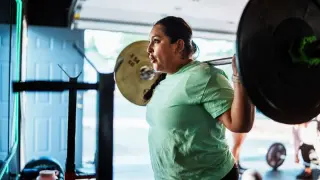
A surge in women adopting strength training is driven by midlife health concerns, particularly bone density loss. While experts praise the shift away from cardio-only routines, critics warn that new 'strong' ideals often still prioritize thinness, potentially replacing one body standard with another. Sustainable habits and adequate rest are emphasized to prevent injury and disordered eating.

A meta-analysis of 87 randomized trials involving over 6,500 adults reveals that consuming 60 to 100 grams of whole grains daily yields the greatest improvements in cardiovascular risk factors. This intake, equivalent to four to six servings, significantly lowers cholesterol, blood pressure, and body weight. The benefits are most pronounced when whole grains replace refined grains rather than simply being added to the diet.