
Beyond the Hype: What Science Says About Lymphatic Drainage
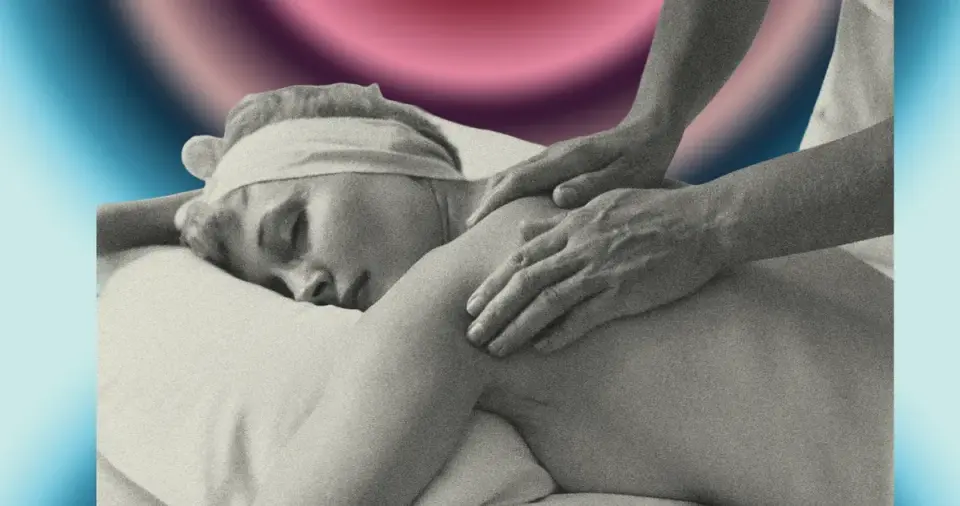
Lymphatic drainage is a centuries-old practice now trending as a celebrity beauty ritual, but experts clarify it is a supportive wellness tool, not a medical detox. While it aids fluid management and reduces temporary puffiness, it cannot replace the liver or kidneys, and persistent swelling requires professional medical evaluation.
Key points
- The lymphatic system manages 8-12 liters of fluid daily, acting as the body’s immune and drainage network.
- Unlike the circulatory system, it lacks a pump, relying on muscle movement, breathing, and gentle massage for flow.
- Professional sessions last 45-60 minutes and focus on node-rich areas like the face, neck, and abdomen.
- At-home tools like gua sha and body rollers are popular, but results are temporary and supportive.
- Medical professionals warn that massage is not a substitute for treating infections, injuries, or chronic conditions.
Background
Our archive from August 2026 highlighted lymphatic care as a key management strategy for lipedema, a chronic condition involving fat buildup in the lower body. While that coverage focused on a specific medical condition, the current trend focuses on general wellness and cosmetic de-puffing, reflecting a broader cultural shift toward manual therapy for fluid retention.
How outlets are covering it
The Cut emphasizes the historical roots of lymphatic knowledge, noting that while the practice dates back to Hippocrates, modern social media has created a 'new discovery' narrative. They highlight the system’s role in immune surveillance and fat absorption. In contrast, Deccan Chronicle focuses on the practical application of the trend, citing celebrities like Hailey Bieber and Dua Lipa, and detailing specific at-home techniques like 'lymphatic walking' and stretching. They stress that while massage is beneficial, it is not a medical detox. The Independent’s coverage, though largely obscured by technical data in the source, suggests a focus on the scientific validity of 'lymphatic walking' as a method to reduce bloating, aligning with the broader skepticism of 'detox' claims found in other outlets.
Why it matters
As wellness trends increasingly blur the line between cosmetic rituals and medical treatment, understanding the actual function of the lymphatic system is crucial. Consumers need to distinguish between temporary aesthetic improvements and genuine health benefits, ensuring they seek proper medical care for persistent symptoms rather than relying solely on massage or at-home tools.
What to watch
Expect continued growth in the market for at-home lymphatic tools, such as gua sha stones and body rollers, as celebrities continue to endorse these practices. However, medical professionals are likely to issue more public warnings against using these treatments as a substitute for diagnosing underlying health issues, particularly those involving persistent swelling or pain.
- Hailey Bieber Swears by Lymphatic-Drainage Massages. Should I Try It? The Cut
- Can ‘Lymphatic Workouts’ Really Help With Bloating or Swelling? The New York Times
- Just Go With the Flow for a Natural Glow Deccan Chronicle
- HelloNation Article with Wellness Expert Suzanne Childre Highlights How the Lymphatic System Supports Detox Yahoo Finance
- The science behind ‘lymphatic walking’ — and what it can do to reduce bloating The Independent
Want the full story? Read the original reporting
Read on The Cut