
Wisconsin Opens First Certified Forest Bathing Trail in Eagle River
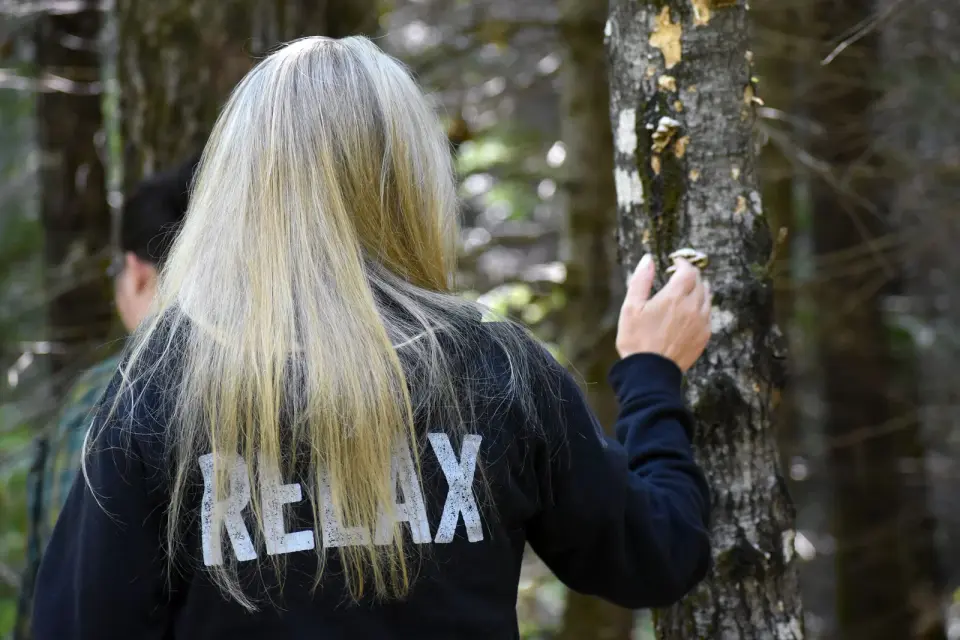
The Tara Lila Forest Bathing Trail in Eagle River, Wisconsin, has become the state’s first path certified by the Association of Nature and Forest Therapy Guides and Programs. This one-mile gravel route, located about 10 minutes from downtown Eagle River, offers a structured wellness experience based on the Japanese practice of Shinrin-yoku. The trail features nine designated stopping points where participants engage in sensory observation, breathing exercises, and silent walking. Certified guides lead groups through the experience, which aims to reduce stress hormones and improve sleep. The initiative provides a local resource for residents seeking to manage chronic stress and improve mental well-being through immersive nature contact.
Key points
- Tara Lila is the first forest bathing trail certified in Wisconsin by the Association of Nature and Forest Therapy Guides and Programs.
- The trail is a one-mile gravel path located approximately 10 minutes from downtown Eagle River in Vilas County.
- The practice is based on the Japanese concept of Shinrin-yoku, coined in 1982 by Tomohide Akiyama to address stress-related depression.
- Guided sessions include breathing exercises, silent walking, and sensory observation at nine specific stopping points.
- Participants can also use cards at the trailhead to conduct self-guided walks along the path.
- Studies cited by guides suggest forest bathing can lower blood pressure, reduce stress hormones, and improve sleep quality.
Background
This development follows a broader national interest in nature-based wellness therapies. While our archive contains unrelated stories regarding technology and legal issues, the focus here is on the physical and mental health benefits of structured nature immersion. The trail’s certification aligns it with approximately 50 other certified trails worldwide, marking a significant milestone for wellness infrastructure in Wisconsin.
How outlets are covering it
Both WPR and Urban Milwaukee report on the same event, focusing on the personal benefits experienced by participants. WPR highlights the emotional and physical reset for individuals like Heather Fletcher, who uses the practice to manage post-stroke recovery, and Russ Stauber, a retiree seeking quiet after a noisy career. Urban Milwaukee emphasizes the contrast between the calm of the forest and the stress of daily life, noting that the trail offers a rare mix of alertness and relaxation. Both outlets agree that the trail serves as a tool for de-stressing and reconnecting with nature, though WPR provides more detail on the specific mechanics of the guided walk, such as the breathing exercises and the collection of natural items at the end.
Why it matters
The certification of the Tara Lila trail provides Wisconsin residents with a verified, structured method for accessing nature-based therapy. As chronic stress contributes to heart disease and stroke, having a local, certified resource for forest bathing offers a practical, low-cost intervention for mental and physical health. It also expands the state’s wellness infrastructure, making it easier for individuals to engage in practices proven to reduce stress hormones and improve sleep without needing to travel out of state.
What to watch
The trail is open for both guided sessions led by certified guides and self-guided walks using provided cards. As the practice gains popularity, local organizations like Trees for Tomorrow may host additional events to introduce more residents to the benefits of forest bathing. Future developments could include expanded programming or partnerships with healthcare providers to integrate forest bathing into recovery plans for conditions like stroke or chronic stress.
Want the full story? Read the original reporting
Read on wpr.org