
Federal Stalemate Leaves Half of US Children Without Updated Covid Shots
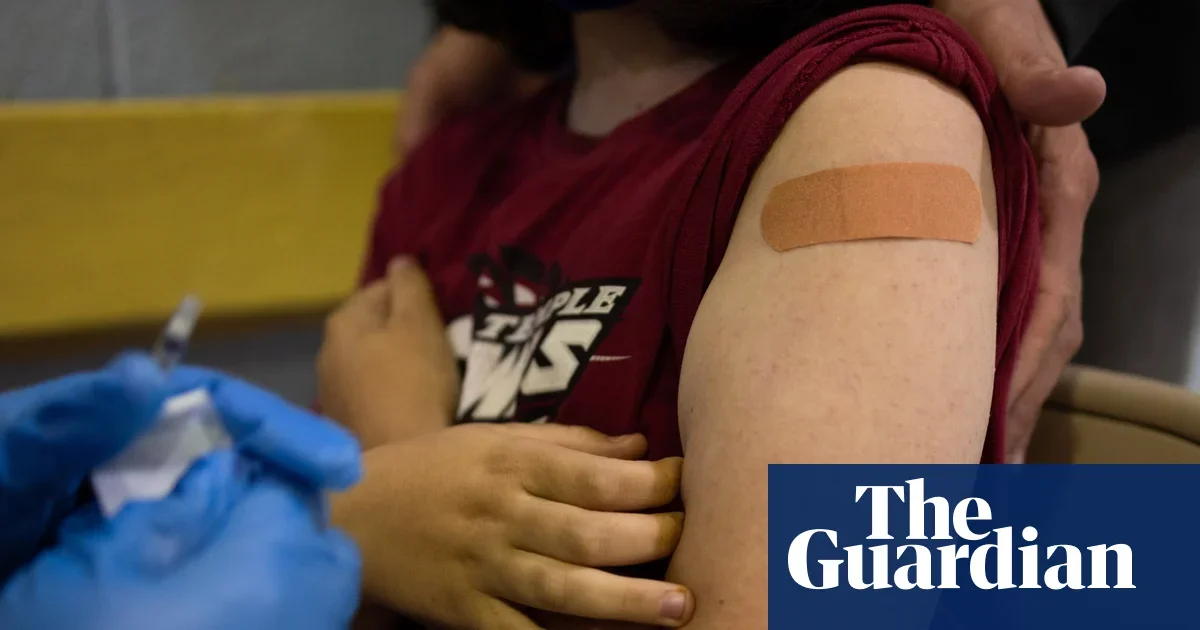
The US Department of Health and Human Services (HHS) has not released updated Covid-19 vaccines through the Vaccines for Children (VFC) program, leaving approximately 52% of US children without free access. While doses are available for privately insured patients, the federal delay creates a two-tiered system that disproportionately affects low-income, uninsured, and Medicaid-eligible families. Officials have not provided a timeline for when VFC doses will be distributed, despite the FDA approving the shots in August 2026.
Key points
- HHS confirmed that updated Covid vaccines are not currently available through the VFC program or the Section 317 program for underinsured adults.
- The delay affects 11 states and one territory that use universal purchasing models, including Alaska, Connecticut, Hawaii, Maine, Massachusetts, New Hampshire, New Mexico, Rhode Island, Vermont, Washington, and Wyoming.
- The FDA approved the 2026-27 updated vaccines in late August, and manufacturers began shipping to private clinics by September 7, but public health officials in states like California, Georgia, and New York report no VFC supply.
- HHS spokesperson Emily Hilliard stated that the agency is 'finalizing decisions' and that an 'arbitrary September date' should not be treated as a public health deadline for procurement.
- The Advisory Committee on Immunization Practices (ACIP) has not met this year due to a federal judge’s stay on HHS Secretary Robert F. Kennedy Jr.’s panel selection, leaving no formal federal recommendation for the shots.
Background
This delay follows a series of 2026 policy shifts, including an executive order to split the MMR vaccine and the removal of CDC recommendations for certain pediatric shots. Earlier in September, our archive noted that the FDA had approved updated vaccines targeting the XFG (Stratus) variant, but the VFC program remained stalled. The current situation exacerbates concerns about vaccine equity, as previous delays in 2025 also saw VFC availability lag behind private sector access by several weeks.
How outlets are covering it
The Guardian and CIDRAP emphasize that the delay is part of a broader pattern of 'restricting vaccines' by the Trump administration, with experts like Daniel Jernigan calling it 'death by a thousand cuts.' They argue that withholding VFC doses sets a precedent for halting other immunizations. In contrast, HHS spokesperson Emily Hilliard frames the delay as responsible stewardship of taxpayer resources, arguing that Covid does not follow a predictable seasonal pattern like influenza. The New York Times highlights the ethical dilemma for pediatricians, who must choose between vaccinating insured patients or waiting to treat all children equally. CIDRAP and News From The States note that while some delays are typical, the current uncertainty is 'unusual' due to the lack of a clear timeline and the absence of an ACIP recommendation.
Why it matters
The delay creates a significant health equity gap, leaving vulnerable populations—particularly infants and children under five, who have high hospitalization rates—without the best available protection against circulating variants. It forces healthcare providers into difficult ethical choices and may result in lower overall vaccination rates during the upcoming respiratory virus season. The situation also tests the limits of federal vaccine distribution policies and could influence future access to other immunizations.
What to watch
HHS and the CDC are expected to release 'additional information' soon regarding VFC and Section 317 procurement. State health officials in California and other regions are in ongoing communication with the CDC, anticipating approval 'soon.' Providers are advised to vaccinate children as soon as doses become available, while some states like New York have allowed clinics to use commercially purchased doses for VFC-eligible children to bridge the gap.
- Delays in Covid shots for kids is latest bid by Trump officials to restrict vaccines theguardian.com
- CDC inaction delays COVID shots for low-income children CIDRAP
- Covid Vaccines Delayed for Half of U.S. Children The New York Times
- Exclusive | States Delayed in Getting Covid Shots for Children’s Immunization Program WSJ
- COVID vaccines for uninsured Tennessee kids in limbo amid federal delays News From The States
Want the full story? Read the original reporting
Read on theguardian.com