
Brain Scans Reveal Acupuncture Targets Different Neural Circuits Than Antidepressants for Depression
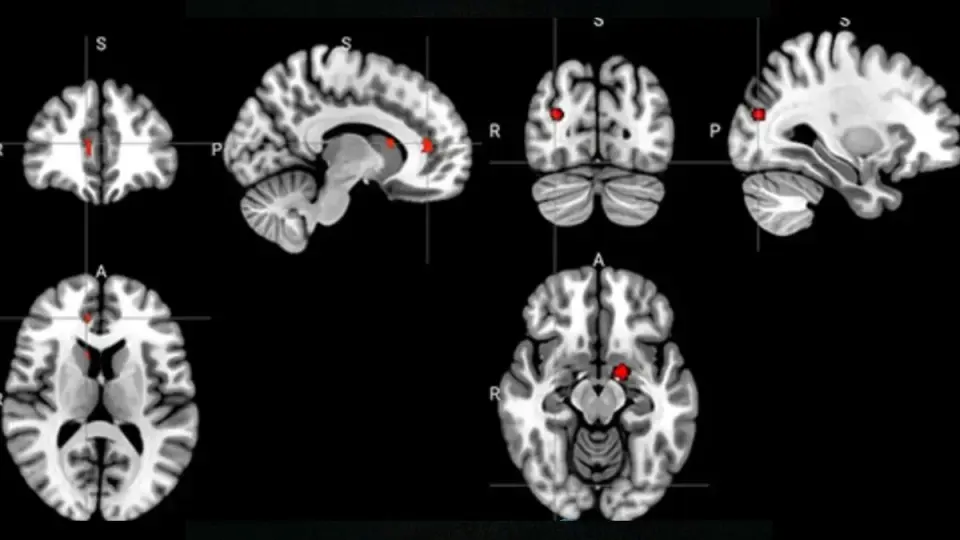
A meta-analysis of seven clinical trials involving 357 participants with major depressive disorder, led by researchers from Beijing University of Chinese Medicine, indicates that acupuncture induces distinct neuroplastic changes compared to standard antidepressants. While antidepressants primarily activate the left hippocampus and right middle occipital gyrus, acupuncture increases activity in the right cingulum and right caudate nucleus, regions associated with emotional regulation and reward processing. The study suggests acupuncture may offer an alternative mechanism for patients who do not respond to conventional medication, particularly those with treatment-resistant depression. However, the researchers emphasize that these findings are preliminary and require larger, more diverse longitudinal studies to confirm efficacy and understand the underlying molecular mechanisms.
Key points
- Acupuncture appears to rewire specific brain regions involved in emotion regulation and reward processing, distinct from the effects of conventional antidepressants.
- The study analyzed brain imaging data from 357 participants across seven previous clinical trials, comparing acupuncture, antidepressants, and placebo treatments.
- Antidepressants were associated with increased activity in the left hippocampus (memory/stress) and right middle occipital gyrus (visual processing), whereas acupuncture targeted the right cingulum and right caudate nucleus.
- More acupuncture sessions were linked to greater changes in the left amygdala, a region critical for emotional processing, suggesting a potential 'emotional brake' effect.
- Acupuncture was found to be more effective than antidepressants alone in reducing depression and anxiety scores, though most participants in the acupuncture group also took medication.
- The distinct neural pathways suggest acupuncture could benefit patients with treatment-resistant depression, specifically those with hippocampal nonresponsiveness or reward-circuit dysfunction.
Background
Recent neuroimaging studies have highlighted the brain's plasticity in response to various interventions. For instance, a 2026 study on childhood trauma found that early adversity alters brain connectivity patterns related to self-control and anxiety, while a separate study on intensive meditation showed that a week-long retreat could significantly alter brain activity and metabolic processes. These findings underscore the growing interest in non-pharmacological approaches to mental health, such as acupuncture, which has been used for thousands of years in traditional Chinese medicine. The current study adds to this body of evidence by providing neurobiological insights into how acupuncture may alleviate depressive symptoms through mechanisms different from those of standard pharmaceutical treatments.
Why it matters
With nearly 6% of adults worldwide suffering from depression, and a significant portion not responding to standard treatments, understanding alternative therapeutic mechanisms is crucial. This study provides preliminary evidence that acupuncture can modulate brain activity in ways that complement or differ from antidepressants, potentially offering new hope for patients with treatment-resistant depression. However, the findings are not yet definitive, and further research is needed to establish acupuncture as a reliable, standardized treatment option. The study highlights the importance of exploring diverse neural pathways to address the complex nature of depression, which involves genetic, environmental, and physical factors.
What to watch
Future research will focus on larger, more diverse populations and longer-term studies to confirm the efficacy of acupuncture for depression. Researchers aim to standardize acupuncture methods across trials and integrate molecular biomarkers with longitudinal neuroimaging to better understand the systems-level mechanisms at play. This could lead to the development of personalized neuromodulation strategies for depression, potentially enhancing treatment outcomes for those who do not respond to conventional medications.
Want the full story? Read the original reporting
Read on ScienceAlert