Tag

Neuroplasticity

All articles tagged with #neuroplasticity

Brain’s Natural Repair Sets the Pace for Early Stroke Recovery
health14 days ago

Brain’s Natural Repair Sets the Pace for Early Stroke Recovery

A University of Auckland–led ESPRESSO trial with 64 stroke survivors found that adding 90 minutes of high‑intensity hand/arm therapy daily for 15 days, starting within two weeks of stroke, did not improve three‑month outcomes versus standard care, whether delivered via immersive video-game therapy or conventional methods. The results suggest early recovery is driven by the brain’s natural repair processes and that pushing more therapy in the acute phase may not enhance recovery, though digital therapy was engaging and as effective as traditional therapy. Implications point to exploring biological treatments early and reserving intensive physical therapy for a later stage when patients can engage more fully.

Psilocybin’s 5-HT2A activation linked to lasting brain plasticity in mice
neuroscience18 days ago

Psilocybin’s 5-HT2A activation linked to lasting brain plasticity in mice

A mouse study shows psilocybin dose-dependently activates the brain’s 5-HT2A receptors in the prefrontal cortex, with an inverted-U relationship for acute behaviors. The following day, moderate doses reduced anxiety-like exploration and higher doses decreased depression-like immobility, coinciding with changes in microtubule dynamics and increased synaptic plasticity proteins—primarily in the prefrontal cortex, not the amygdala—suggesting a neural mechanism for lasting antidepressant effects, though results in animals may not directly translate to humans.

Six habits the sharpest seniors quit to keep their brains agile
health1 month ago

Six habits the sharpest seniors quit to keep their brains agile

A Silicon Canals feature argues cognitive longevity comes less from more brain games and more from subtracting autopilot habits: diversify your mental diet, seek intellectual discomfort, surround yourself with varied minds, stay open to surprise and uncertainty, endure small physical challenges, and guard long stretches of unstructured thinking time while maintaining a growth-oriented view of aging.

Three everyday habits to keep your brain sharp, says a neuropsychologist
health1 month ago

Three everyday habits to keep your brain sharp, says a neuropsychologist

A clinical neuropsychologist explains that the brain remains plastic across life and recommends three practical habits to boost cognitive resilience: regular moderate exercise, sufficient sleep, and maintaining social connections. It also cautions that brain-training apps offer little cognitive benefit, emphasizing that daily lifestyle choices drive neuroplasticity and brain health.

Psychedelics Remodel Brain Myelin for Lasting PTSD Recovery
science1 month ago

Psychedelics Remodel Brain Myelin for Lasting PTSD Recovery

A rat study shows psilocybin and MDMA trigger adaptive myelination, repairing the brain’s insulation (myelin) in fear circuits and producing long-lasting reductions in anxiety-like behavior; blocking myelin repair abolishes the benefits, indicating myelin remodeling is a key mechanism for durable psychedelic-assisted PTSD therapy and should complement, not replace, psychotherapy.

Second Pregnancy Fine-Tunes the Brain Beyond the First
science1 month ago

Second Pregnancy Fine-Tunes the Brain Beyond the First

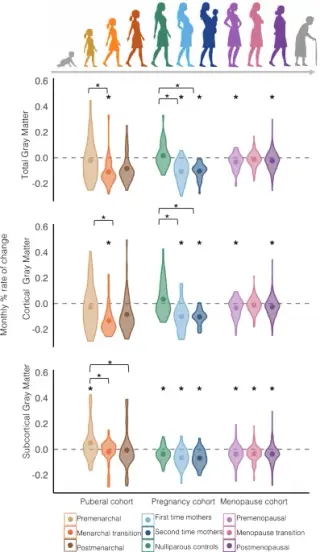
A Dutch-led study comparing brain scans before/after second pregnancies with first-time and never-pregnant women found that a second pregnancy induces distinctive brain changes—especially in networks processing sensory input and attention—and shows gray-matter reductions likely due to neuroplasticity, not degeneration; while some adaptations mirror the first pregnancy, the second brings additional refinements to support raising two children, with potential links to bonding and maternal mental health.

Adult brains sharpen perception through late-stage TRN remodeling
scienceneuroscience1 month ago

Adult brains sharpen perception through late-stage TRN remodeling

New research shows the brain’s thalamic reticular nucleus (TRN) continues to mature from adolescence into adulthood, upgrading its sensory gate to support high‑resolution perception. Driven by the LRRTM3 protein, this proactive circuit remodeling isn’t just learning—it’s a molecular-level hardware redesign that improves discrimination and reduces background noise. The finding has implications for ADHD, autism, and schizophrenia and could guide new therapies aimed at enhancing sensory and cognitive function in adults.

Brain Can Learn Echolocation in 10 Weeks, New Study Finds
science1 month ago

Brain Can Learn Echolocation in 10 Weeks, New Study Finds

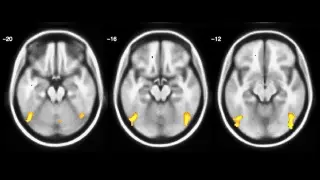
A 10‑week program trained 12 blind and 14 sighted adults in echolocation techniques, with neuroimaging showing increased activity in the primary visual and auditory cortices. The study demonstrates that the adult brain can rewire to interpret echoes for spatial awareness, with experts achieving centimeter‑level precision, suggesting echolocation training could become a mainstream tool for vision impairment.

Birding Brains: Expertise Builds Lasting Cognitive Reserve
science1 month ago

Birding Brains: Expertise Builds Lasting Cognitive Reserve

A neuroscience study comparing 29 expert birders with 29 age- and sex-matched novices found that experts have more compact, efficient brain tissue in attention- and perception-related regions, which correlates with higher accuracy in bird identification. These structural advantages persist into older age, and older birders even remember arbitrary faces paired with birds better than beginners, suggesting that complex, multi-process skill learning builds cognitive reserve that supports broader cognition as we age.

Nightly Reading: A Simple Sleep Booster Backed by Science
science1 month ago

Nightly Reading: A Simple Sleep Booster Backed by Science

A study found that reading a book at night improves sleep for more people than going straight to bed, with a December 2019 online trial showing 42% of readers reported better sleep versus 28% of nonreaders. Brain scans suggested lasting connectivity changes from nightly reading, and experts say short, consistent 15–20 minute sessions can calm the mind, support memory and cognitive reserve, and even enhance social skills.

Psychedelics May Rewire PTSD Brains, Opening Doors for Rapid Therapy
science2 months ago

Psychedelics May Rewire PTSD Brains, Opening Doors for Rapid Therapy

New research suggests psychedelics such as MDMA and psilocybin may help PTSD by promoting neuroplasticity and rebalancing fear circuits, enabling faster, therapy-assisted recovery. In MDMA-assisted therapy trials, about 67% of participants no longer met PTSD criteria compared with 32% on placebo; psilocybin trials are also showing promise in reducing symptoms and increasing cognitive flexibility. The proposed mechanisms involve dampened amygdala activity, enhanced prefrontal control, restoration of BDNF, and disruption of the default mode network, which may help patients reprocess trauma during psychotherapy. However, large, controlled trials are still needed, and regulatory hurdles persist due to Schedule I status and safety/blinding challenges.

Psilocybin may trigger long-lasting antidepressant effects by altering neuron firing, not creating new connections
neuroscience2 months ago

Psilocybin may trigger long-lasting antidepressant effects by altering neuron firing, not creating new connections

A rat study shows a single dose of psilocybin yields antidepressant-like behavior lasting at least 12 weeks, without lasting spine growth; instead, lasting functional changes in neuron firing (increased excitability and depolarized readiness) in the medial prefrontal cortex likely underlie the effect, with similar results from the 5-HT2A-targeting drug 25CN-NBOH, implicating this receptor; study notes limitations and cautions about translating to humans.