
Dronabinol trial shows significant relief for PTSD nightmares
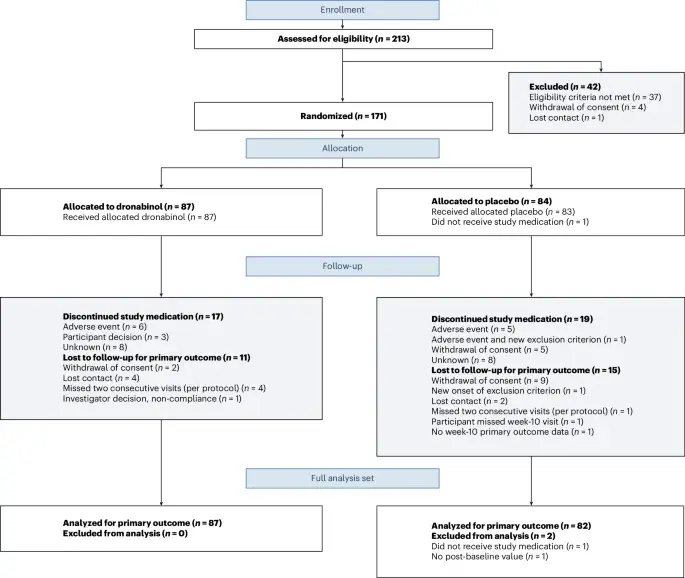
A new randomized controlled trial published in Nature Medicine indicates that dronabinol, a prescription form of THC, significantly reduces nightmare frequency and intensity in patients with post-traumatic stress disorder (PTSD). The study, led by Charité – Universitätsmedizin Berlin, found that over one-third of participants experienced a complete disappearance of nightmares after ten weeks of treatment. While the drug did not significantly reduce overall PTSD severity or depression, it offered targeted relief for sleep disturbances, a core symptom of the disorder. The trial highlights a potential new pharmacological option for a symptom currently lacking effective medication in Germany.
Key points
- A multicenter, double-blind, randomized controlled trial involving 171 adults with PTSD and recurrent nightmares was conducted over 10 weeks.
- Participants were assigned to receive either dronabinol (2.5–15 mg) or a placebo once daily before bedtime.
- The primary endpoint, nightmare frequency and intensity, showed a significantly greater reduction in the dronabinol group compared to the placebo group.
- More than one-third of patients in the dronabinol group reported that their nightmares disappeared completely, while another 21% reported at least a 50% reduction in nightmare burden.
- The treatment did not show conclusive benefits for overall PTSD severity or comorbid depression, indicating a specific effect on nightmares and sleep.
- No severe side effects or signs of dependence were observed; mild to moderate effects included dizziness, headaches, and increased appetite.
Background
PTSD nightmares have long been a challenging symptom to treat pharmacologically. Previous treatments, such as prazosin, have shown limited efficacy in large-scale trials, leaving a gap in clinical practice guidelines. The endocannabinoid system has been identified as a potential target for modulating fear and anxiety in PTSD, with earlier studies suggesting that cannabinoids may mitigate post-traumatic stress symptoms. This trial builds on preliminary evidence that THC can reduce dream activity during REM sleep, thereby alleviating nocturnal stress responses. The study follows a trend in research exploring cannabinoids for psychiatric indications, though it is distinct from broader cannabis use studies due to its focus on a specific, validated symptom.
How outlets are covering it
The primary source, Nature Medicine, emphasizes the statistical significance of the primary endpoint, noting a between-group difference in CAPS-IV B2 scores with a Cohen’s d of 0.65. ScienceDaily and Charité highlight the clinical impact, focusing on the proportion of patients who experienced complete nightmare resolution and the overall improvement in health-related quality of life. The Clinical Trial Vanguard offers a methodological perspective, praising the trial’s design for using a symptom-specific endpoint rather than a composite PTSD severity scale, which it argues is crucial for detecting the drug’s specific mechanism. It also notes the regulatory advantage of dronabinol’s Schedule III status, which facilitates trial operations compared to Schedule I substances. All sources agree on the safety profile, noting the absence of severe side effects or withdrawal symptoms, though they differ in emphasis: Nature Medicine focuses on efficacy metrics, while Charité and ScienceDaily emphasize patient-reported outcomes and the potential for a new treatment avenue in Germany.
Why it matters
This trial provides the first robust evidence that a prescription cannabinoid can effectively treat PTSD-related nightmares, a symptom that significantly impacts sleep and quality of life. The results suggest a targeted pharmacological approach that may complement existing therapies, which often fail to address nightmares specifically. The safety profile, with no signs of dependence, is particularly relevant for a population that may be at risk for substance use disorders. If confirmed in larger Phase 3 trials, dronabinol could fill a critical gap in PTSD treatment guidelines, offering a new option for patients who do not respond to current medications. The study also underscores the importance of symptom-specific endpoints in clinical trial design for complex disorders like PTSD.
What to watch
Researchers plan to conduct further studies to determine the long-term safety and efficacy of dronabinol for PTSD nightmares. Key questions include whether patients develop tolerance to the drug over time and whether the benefits persist after discontinuation. The trial team will also investigate the optimal dosage and duration of treatment. Regulatory approval for dronabinol in Germany for this specific indication is not yet granted, but the positive results may influence future clinical practice guidelines. The data from this trial will be made available for academic research after six months, subject to review and approval, allowing for further analysis and replication studies.
- Dronabinol for nightmares in post-traumatic stress disorder: a randomized controlled trial Nature
- THC medication made PTSD nightmares disappear for more than a third of patients ScienceDaily
- THC, the cannabis active ingredient, can put an end to trauma-related nightmares Charité – Universitätsmedizin Berlin
- The PTSD Nightmare Drug No One Expected: What Dronabinol’s RCT Tells Us About CNS Trial Design The Clinical Trial Vanguard
- Could THC help cure nightmares tied to horrific memories? vtcng.com
Want the full story? Read the original reporting
Read on Nature