Tag

Ptsd

All articles tagged with #ptsd

Why traumatic memories come in fragments and feel like the present moment
health5 days ago

Why traumatic memories come in fragments and feel like the present moment

Traumatic memories are not stored or recalled like ordinary memories; during trauma, the amygdala stays highly active while the hippocampus is overwhelmed, causing memories to break into sensory fragments and to be relived as if the threat is happening now. This non-linear recall can look inconsistent or even be misread as lying, especially by lawyers or clinicians. A trauma‑informed approach—empathy, careful language, and awareness that memory can be fragmented—improves support in healthcare, legal settings, and everyday relationships and can aid survivors’ healing.

VA's road from research to routine mental-health care
health6 days ago

VA's road from research to routine mental-health care

The VA uses a multi-step, evidence-based process to turn new mental-health treatments into standard care, weighing research quality, patient safety, ethics, staffing, and resources—and FDA approval alone isn’t enough. Through a team-driven rollout (not a single office), treatments like rTMS are piloted in veterans, studied across facilities, and expanded before becoming routine; medications go through the National Formulary with use criteria. Emerging therapies (ketamine, cannabis, psychedelics) are approached cautiously within ongoing trials. Even after adoption, safety monitoring and guideline updates continue, and veterans may see treatments as available, restricted, or trial-based depending on evidence and logistics.

Behind the Beat: Travis Barker’s Drumbeat Through Trauma to a New Family
music11 days ago

Behind the Beat: Travis Barker’s Drumbeat Through Trauma to a New Family

The documentary Travis Barker: Louder Than Fear chronicles the Blink-182 drummer’s life from early drum influences to the 2008 private-jet crash that caused severe burns and lasting PTSD, detailing his battles with addiction and fear of flying, his gradual return to performance, and his blended family with Kourtney Kardashian and newborn Rocky—using candid interviews and Barker’s performances to show how drumming has been his healing force and resilience.

Family fears release of NC street attacker after string of terrifying encounters
us-news16 days ago

Family fears release of NC street attacker after string of terrifying encounters

Di-Quan Schafar Hunt, a 32-year-old North Carolina man with a lengthy criminal history, was arrested after livestreaming and attacking women in Charlotte. His sister and family say he has shown violent behavior toward neighbors and relatives, and experts believe he has PTSD and bipolar disorder but refuses treatment. The family fears his release without proper care, as authorities plan to charge him with assault with a deadly weapon upon release from a medical facility.

Cannabinoid therapy cuts PTSD nightmares in a landmark trial
health19 days ago

Cannabinoid therapy cuts PTSD nightmares in a landmark trial

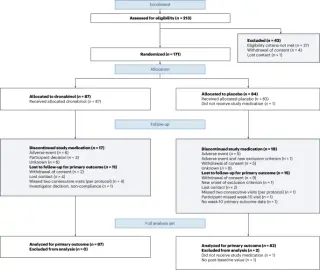
In a multicenter, double‑blind randomized trial, nightly dronabinol (THC) reduced PTSD‑related nightmares more than placebo over 10 weeks in 171 adults. The primary outcome (CAPS‑IV B2: nightmare frequency/intensity) favored dronabinol with a between‑group difference of −1.50 (CI −2.28 to −0.71) and a moderate effect size (Cohen’s d ≈ 0.65), supporting dronabinol as a potential pharmacotherapy for PTSD night­mares; safety was monitored during titration and maintenance, and data access is described in the publication.

John Mayer: Balancing a New Album with Groundbreaking PTSD Research
entertainment1 month ago

John Mayer: Balancing a New Album with Groundbreaking PTSD Research

John Mayer discusses juggling a new album with leading Heart and Armor, his veterans-focused nonprofit, which has funneled about $5 million of his own money into PTSD and veterans’ health research over 15 years. The work includes sleep-related studies and exploring the glymphatic system to treat PTSD as a physical injury, aiming to destigmatize the condition for veterans and trauma survivors. Mayer stresses accountability and wants the science to stand on its own, not rely on his celebrity, and has expanded Chaplin Studios while preparing new music after leaving his label.

Sully Sullenberger reveals early-stage Alzheimer's, vows advocacy
health1 month ago

Sully Sullenberger reveals early-stage Alzheimer's, vows advocacy

Captain Chesley 'Sully' Sullenberger announced an early-stage Alzheimer's diagnosis (officially in Aug 2025), saying memory lapses and sleep changes are part of the early stage. Doctors note his history of PTSD after the Miracle on the Hudson could increase risk. He plans to continue public service and raise awareness about Alzheimer's with family support. Experts say there is no cure, but treatments and lifestyle changes can slow symptoms and help manage the disease.

9/11 PTSD linked to signs of accelerated aging, study finds
health1 month ago

9/11 PTSD linked to signs of accelerated aging, study finds

A Stony Brook-led study of 393 World Trade Center responders (232 with PTSD) found widespread molecular changes in blood—114 proteins and seven metabolites—that affect brain function, immune activity, energy metabolism and tissue repair, with evidence of accelerated aging in organs like the heart, kidneys, liver and lungs. The findings support PTSD as a “whole-body” condition with long-term health implications and may help explain higher risks of chronic diseases, though the study shows associations rather than causation and has limitations (e.g., underrepresentation of women and a unique responder population). The research, funded by the CDC and NIH, was published in Nature Communications.

PTSD From 9/11 May Accelerate Aging Across Several Organs, New Study Finds
health1 month ago

PTSD From 9/11 May Accelerate Aging Across Several Organs, New Study Finds

A Stony Brook University-led study of 393 World Trade Center responders tested about 18 years after 9/11 and found that those with PTSD showed lasting biological changes in blood proteins and metabolites linked to brain function, immune activity and energy metabolism, with signs of accelerated aging in the heart, kidneys, liver and lungs. The results bolster the view of PTSD as a “whole-body” condition that may raise chronic-disease risk, but the study is observational and limited to a specific cohort, so causality can’t be established and longer-term follow-up is needed.

Routine blasts linked to lasting anger and aggression in veterans
mental-health2 months ago

Routine blasts linked to lasting anger and aggression in veterans

Researchers analyzed 3.64 million clinical notes from 10,000 veterans and found those in high-blast occupations had 17.2% anger/violence notes vs 12.0% in controls, with 22% higher odds even after adjusting for PTSD and other factors, suggesting cumulative routine blast exposure may contribute to long-term anger and aggression; limitations include exposure inferred from job codes and underreporting. The study calls for safer training protocols and better exposure tracking.

Beyond postpartum depression: spotting the broader spectrum of postpartum mental health
health2 months ago

Beyond postpartum depression: spotting the broader spectrum of postpartum mental health

New mothers can face several mental health conditions in the year after birth beyond postpartum depression, including adjustment disorder, OCD, PTSD, bipolar disorder, postpartum psychosis, and suicidal thoughts. Screening and a multimodal treatment approach (psychotherapy plus medications like SSRIs) are tailored to symptom severity, with sleep and social support playing key roles in recovery. Early mood optimization during pregnancy lowers risk, and credible resources such as Postpartum Support International and womensmentalhealth.org are recommended to counter misinformation and guide care.

Brain estrogen in both sexes shapes memory's resilience to stress
neuroscience2 months ago

Brain estrogen in both sexes shapes memory's resilience to stress

Researchers in mice show that estrogen produced in the hippocampus alters memory after acute stress in a sex- and cycle-dependent way: high hippocampal estrogen in males and proestrus females worsened memory, while estrus females with lower estrogen were more resilient. The findings suggest estrogen receptors regulate chromatin and memory-related genes, with potential implications for PTSD risk and aging in humans—especially during perimenopause—though further study is needed.