
Chronic Loneliness, Not Just Living Alone, Linked to 38% Higher Dementia Risk
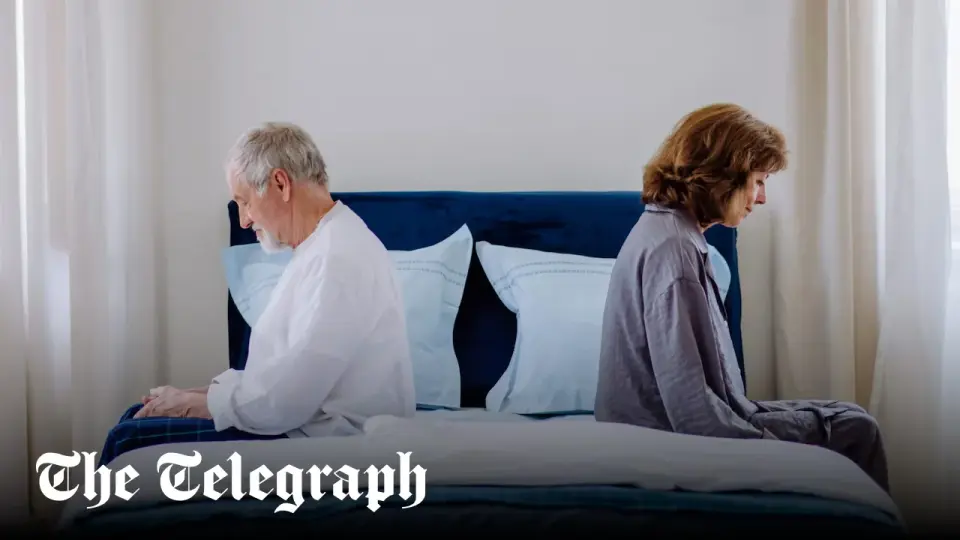
A 30-year study of 3,777 older adults finds that chronic loneliness increases dementia risk by 38%, while occasional loneliness shows no significant impact. The research highlights that living with others does not guarantee protection if relationships lack meaningful connection, suggesting healthcare systems should prioritize subjective social experiences over mere household composition.
Key points
- Chronic loneliness, defined as feeling lonely on three or four assessments over eight years, is associated with a 38% higher risk of developing dementia compared to those who are never lonely.
- Occasional loneliness does not significantly increase dementia risk, indicating that the persistence and chronicity of the feeling are critical factors.
- Nearly 30% of chronically lonely participants lived with spouses or family, demonstrating that cohabitation does not prevent social isolation if relationships are unsatisfying or lack meaningful connection.
- The study suggests chronic loneliness triggers sustained inflammation through stress and immune pathways, which may contribute to cognitive decline alongside physical inactivity and poor diet.
- Researchers recommend that healthcare professionals screen for loneliness and focus on the quality of social connections rather than relying solely on living arrangements as a proxy for social risk.
Background
Recent research has increasingly linked various lifestyle and health factors to dementia risk. For instance, a 2026 meta-analysis found that leisure-time exercise lowers dementia risk by 24%, while physically demanding manual labor increases it by 20%, highlighting the importance of activity context. Additionally, a study in JAMA Psychiatry linked adult ADHD to a fourfold increase in dementia risk, and a Cambridge review associated recreational reading with lifelong brain health. These findings, alongside the current study, emphasize that cognitive health is influenced by a complex interplay of physical, mental, and social factors, rather than a single variable.
How outlets are covering it
The Telegraph and HuffPost UK both emphasize the distinction between chronic and occasional loneliness, noting that only chronic loneliness significantly elevates dementia risk. The Telegraph highlights the surprise that nearly a third of the loneliest participants did not live alone, while HuffPost UK focuses on the biological mechanism of 'inflammaging' triggered by chronic loneliness. The Korean outlet JKN provides additional detail on the study's methodology, noting that 29.6% of chronically lonely participants lived with family, and stresses the need for multifaceted prevention strategies. All sources agree that living arrangements alone are insufficient to gauge social risk, but they differ in emphasis: The Telegraph focuses on the subjective experience of connection, HuffPost UK on the biological impact of inflammation, and JKN on the practical implications for public health policy and screening.
Why it matters
This study challenges the assumption that living with others automatically protects against dementia by highlighting the critical role of relationship quality. It underscores the need for healthcare systems to move beyond basic living arrangements and incorporate subjective measures of loneliness and social connection into routine screenings. By identifying chronic loneliness as a modifiable risk factor, the research supports targeted interventions, such as social activity prescriptions and inclusive public spaces, to mitigate cognitive decline in aging populations.
What to watch
Researchers are calling for healthcare professionals to integrate loneliness screenings into standard geriatric care and to prescribe social activities for older adults. Policymakers are urged to develop comprehensive strategies that address the quality of social relationships, not just the quantity, by expanding access to mixed-age public spaces and community programs. Future studies may need to address the limitations of the current research, such as the use of single-question assessments, to better understand the causal relationship between loneliness and dementia.
- Being unhappily married increases dementia risk by a third The Telegraph
- Only 1 Type Of Loneliness 'Significantly' Raises Dementia Risk HuffPost UK
- Chronic Loneliness Increases Dementia Risk: How to Protect Cognitive Health in Old Age? : Society : JKN 재경일보
- Study reveals common lifestyle factor that is strongly linked to dementia Yahoo Health
Want the full story? Read the original reporting
Read on The Telegraph