
Decade-long trial shows fruit and vegetable diets outperform sodium bicarbonate for kidney disease
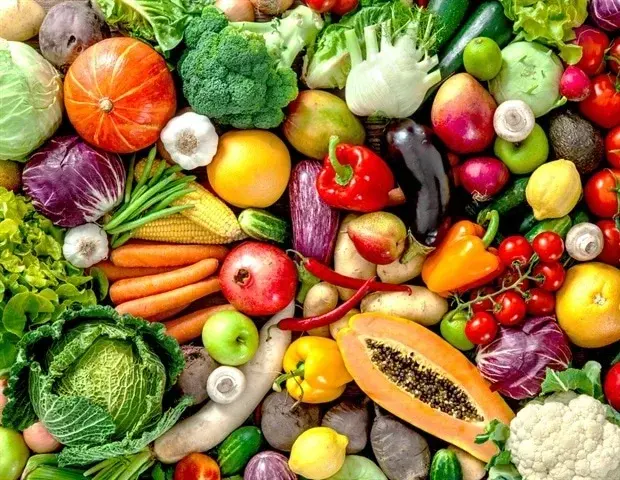
A 10-year randomized trial involving 108 adults with stage 3 chronic kidney disease and metabolic acidosis found that consuming base-producing fruits and vegetables yielded significantly better clinical outcomes than oral sodium bicarbonate or usual care. The dietary group experienced fewer hospitalizations, emergency department visits, and progression to dialysis, without increasing overall healthcare costs. These findings, presented at ASN Kidney Week 2026, suggest that dietary acid reduction may be a more effective and cost-neutral strategy for managing acid buildup in kidney patients compared to standard pharmaceutical treatments.
Key points
- The trial randomized 108 adults with stage 3 CKD and metabolic acidosis into three groups of 36: fruits and vegetables, oral sodium bicarbonate, or usual care.
- Both the dietary and sodium bicarbonate groups aimed to reduce dietary acid by 50%, allowing for a direct comparison of acid-reduction methods.
- Over 10 years, the fruits and vegetables group had 14 hospitalizations and 20 emergency department visits, compared to 64 and 88, respectively, in the usual care group.
- Only 4 patients in the dietary group required dialysis, compared to 16 in the usual care group, while the sodium bicarbonate group showed no significant difference from usual care.
- The dietary intervention was associated with favorable long-term outcomes and healthcare utilization without increasing overall health-system or societal costs.
Background
This study builds on earlier findings that whole fruit consumption is linked to better heart health and that strict potassium restrictions for kidney patients may be unnecessary. Previous coverage noted that while fruits and vegetables offer nutritional benefits, their potassium content requires careful management for individuals with advanced kidney disease. The current trial provides long-term evidence that dietary acid reduction can be a viable alternative to standard pharmaceutical treatments for metabolic acidosis in CKD patients.
How outlets are covering it
News-Medical and SciTechDaily emphasize the superior clinical outcomes and cost-effectiveness of the dietary approach, highlighting the potential for population-level benefits. RTTNews focuses on the practical implications for reducing hospital visits but includes a caution that CKD patients should consult doctors before making major dietary changes due to potassium levels. All sources agree on the trial's findings but differ in emphasis: News-Medical and SciTechDaily stress the broader health-system value, while RTTNews prioritizes individual safety considerations regarding potassium intake.
Why it matters
The findings challenge the standard use of sodium bicarbonate for metabolic acidosis in CKD, suggesting that a simple dietary change can achieve better outcomes at no additional cost. This could lead to significant savings in healthcare systems and improved quality of life for patients, while also prompting a reevaluation of dietary guidelines for kidney disease management.
What to watch
Researchers will present these findings at ASN Kidney Week 2026, potentially influencing future clinical guidelines for CKD management. Further studies may explore the long-term effects of dietary interventions on other kidney-related complications and the optimal balance of potassium intake for patients with varying stages of kidney disease.
- Fruits and vegetables may be a better option to improve kidney disease outcomes News-Medical
- A Simple Diet Change Could Transform Kidney Disease Treatment, 10-Year Study Finds SciTechDaily
- A 10-Year Study Finds Fruits and Vegetables May Help Keep Kidney Patients Out of the Hospital Yahoo Health
- Fruits And Vegetables May Help Kidney Patients Reduce Hospital Visits, Study Finds RTTNews
- The 5 Best Foods to Eat to Prevent Kidney Stones, According to Experts EatingWell
Want the full story? Read the original reporting
Read on News-Medical