Tag

Dietary Interventions

All articles tagged with #dietary interventions

Yale Study Finds Prescription Drugs and Diet Outperform Supplements in Slowing Biological Aging
health-and-science10 days ago

Yale Study Finds Prescription Drugs and Diet Outperform Supplements in Slowing Biological Aging

A Yale University study published in Nature Medicine indicates that specific prescription medications and lifestyle changes, such as the Mediterranean diet, significantly reduce biological age markers, while over-the-counter supplements show little to no effect. The research utilized 51 clinical studies and 110 DNA methylation biomarkers to evaluate interventions. While drugs like metformin and semaglutide showed the strongest results, experts caution that these biomarker changes do not guarantee longer lifespans or reduced disease risk.

Decade-long trial shows fruit and vegetable diets outperform sodium bicarbonate for kidney disease
health27 days ago

Decade-long trial shows fruit and vegetable diets outperform sodium bicarbonate for kidney disease

A 10-year randomized trial involving 108 adults with stage 3 chronic kidney disease and metabolic acidosis found that consuming base-producing fruits and vegetables yielded significantly better clinical outcomes than oral sodium bicarbonate or usual care. The dietary group experienced fewer hospitalizations, emergency department visits, and progression to dialysis, without increasing overall healthcare costs. These findings, presented at ASN Kidney Week 2026, suggest that dietary acid reduction may be a more effective and cost-neutral strategy for managing acid buildup in kidney patients compared to standard pharmaceutical treatments.

Australian Trial Shows Low-Plastic Diet Cuts Body Chemical Levels by 60% in One Week
health2 months ago

Australian Trial Shows Low-Plastic Diet Cuts Body Chemical Levels by 60% in One Week

A new randomized controlled trial in Australia demonstrates that strictly avoiding plastic contact in food production, packaging, and kitchenware can significantly reduce the levels of harmful plastic-associated chemicals in the human body within just seven days. Published in Nature Medicine, the study found that participants who adhered to a low-plastic diet and used non-plastic kitchenware showed up to a 60% reduction in bisphenol A levels in their urine compared to a control group. The research highlights that while plastic exposure is ubiquitous, simple changes in food sourcing and preparation methods can yield measurable health benefits by lowering the body's burden of endocrine-disrupting chemicals like phthalates and bisphenols.

AI Tools and Kitchen Staples: New Frontiers in Reversing Fatty Liver Disease
health3 months ago

AI Tools and Kitchen Staples: New Frontiers in Reversing Fatty Liver Disease

Fatty liver disease affects over a billion people, yet remains largely undetected until advanced stages. While lifestyle changes like dietary adjustments and coffee consumption can reverse early-stage damage, experts emphasize that AI-driven diagnostics are crucial for early identification. By analyzing routine blood tests and imaging, AI tools can flag high-risk patients, enabling timely interventions that prevent costly complications like liver failure.

Coffee's Role in Longevity and Gut Health Unveiled
health1 year ago

Coffee's Role in Longevity and Gut Health Unveiled

A comprehensive review suggests that regular, moderate coffee consumption can add up to two years of healthy aging, reducing the risk of chronic diseases such as cardiovascular issues, cancer, and cognitive decline. The study highlights coffee's role in promoting longevity and better health during aging, with benefits observed in both men and women. While caffeine is a key component, coffee's over 2,000 bioactive compounds, including polyphenols, contribute to its health benefits. The review calls for further research to understand the mechanisms and identify individuals who may benefit most from coffee's properties.

Top Foods to Naturally Lower Blood Pressure and Boost Health
health2 years ago

Top Foods to Naturally Lower Blood Pressure and Boost Health

A study published in The American Journal of Medicine highlights the benefits of incorporating more fruits and vegetables into the diet for individuals with high blood pressure and early signs of kidney and cardiovascular disease. Over five years, participants who consumed more fruits and vegetables showed slower progression of kidney disease and lower systolic blood pressure compared to those receiving standard care. The study suggests that dietary changes can be an effective foundational treatment for hypertension and chronic kidney disease, emphasizing the need for healthcare professionals to recommend and facilitate healthier diets.

Top Foods to Naturally Lower Blood Pressure and Boost Health
health2 years ago

Top Foods to Naturally Lower Blood Pressure and Boost Health

A study published in The American Journal of Medicine highlights the benefits of incorporating more fruits and vegetables into the diet for individuals with high blood pressure and early signs of kidney and cardiovascular disease. Over five years, participants who consumed more fruits and vegetables showed slower progression of kidney disease, lower systolic blood pressure, and reduced cardiovascular risk compared to those receiving standard care. The study emphasizes the importance of dietary interventions in managing chronic conditions and suggests that fruits and vegetables could be foundational in treating hypertension and protecting kidney and heart health.

Daily Medications Linked to Higher Heart Attack Risk
health2 years ago

Daily Medications Linked to Higher Heart Attack Risk

A study published in the Annals of Internal Medicine suggests that many vitamin and mineral supplements, commonly taken by millions, may increase the risk of heart disease and early death rather than provide health benefits. The research, which analyzed 277 trials involving nearly a million people, found that only a few supplements, like fish oil and folic acid, offered cardiovascular protection. In contrast, a combination of calcium and vitamin D was linked to a higher risk of stroke. The study also found limited evidence supporting dietary interventions like the Mediterranean diet in reducing cardiovascular risk.

"How Gut Bacteria Can Protect Against Infections"
health2 years ago

"How Gut Bacteria Can Protect Against Infections"

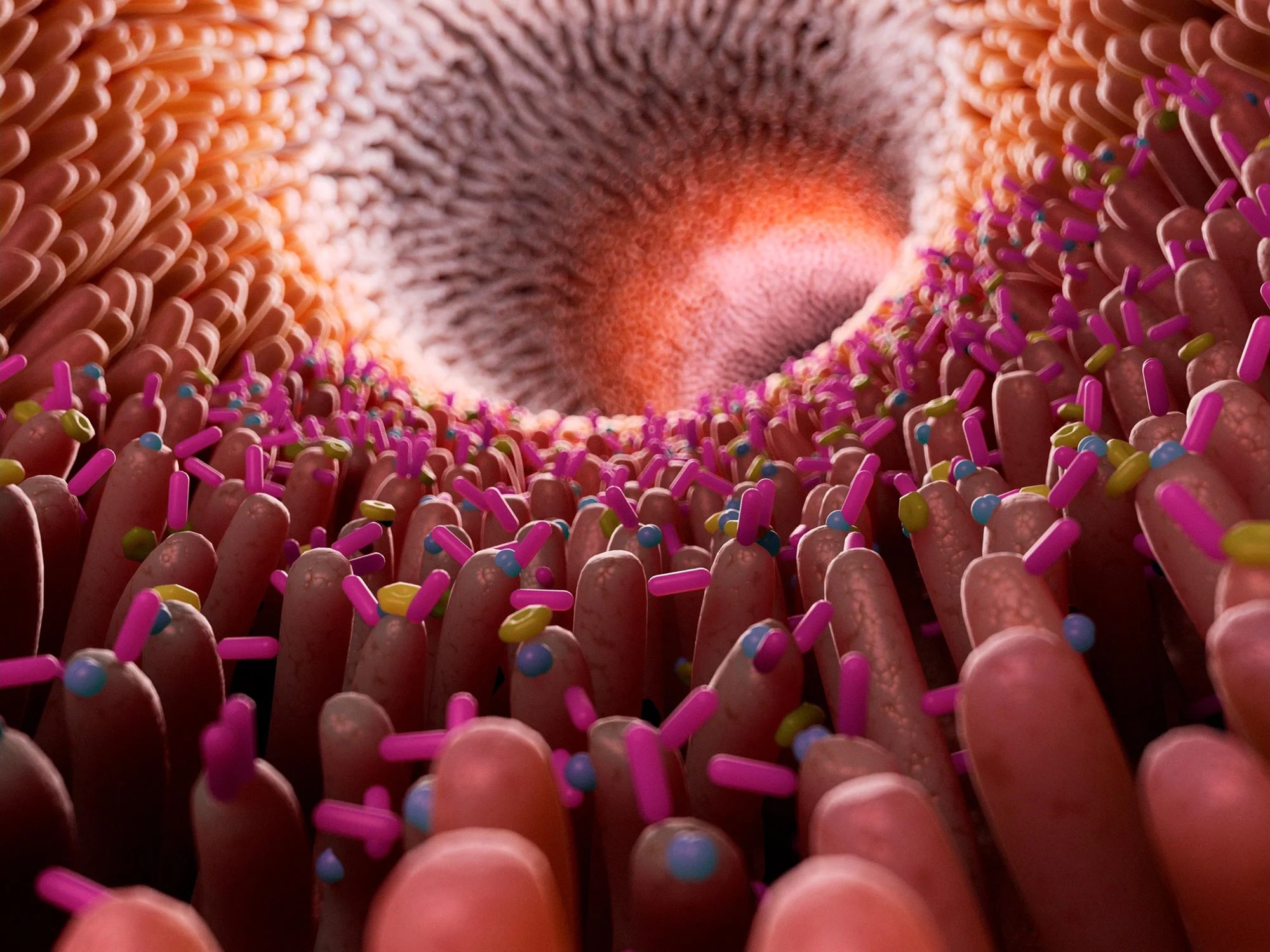
A study of over 10,000 individuals over six years found that lower levels of butyrate-producing bacteria in the gut are linked to higher risks of serious infections. Enhancing gut microbiome health through dietary interventions could potentially reduce infection rates, with further research needed to explore effective methods for increasing beneficial bacteria.

"Wasabi's Memory-Boosting Powers Unveiled in Groundbreaking Study"
health3 years ago

"Wasabi's Memory-Boosting Powers Unveiled in Groundbreaking Study"

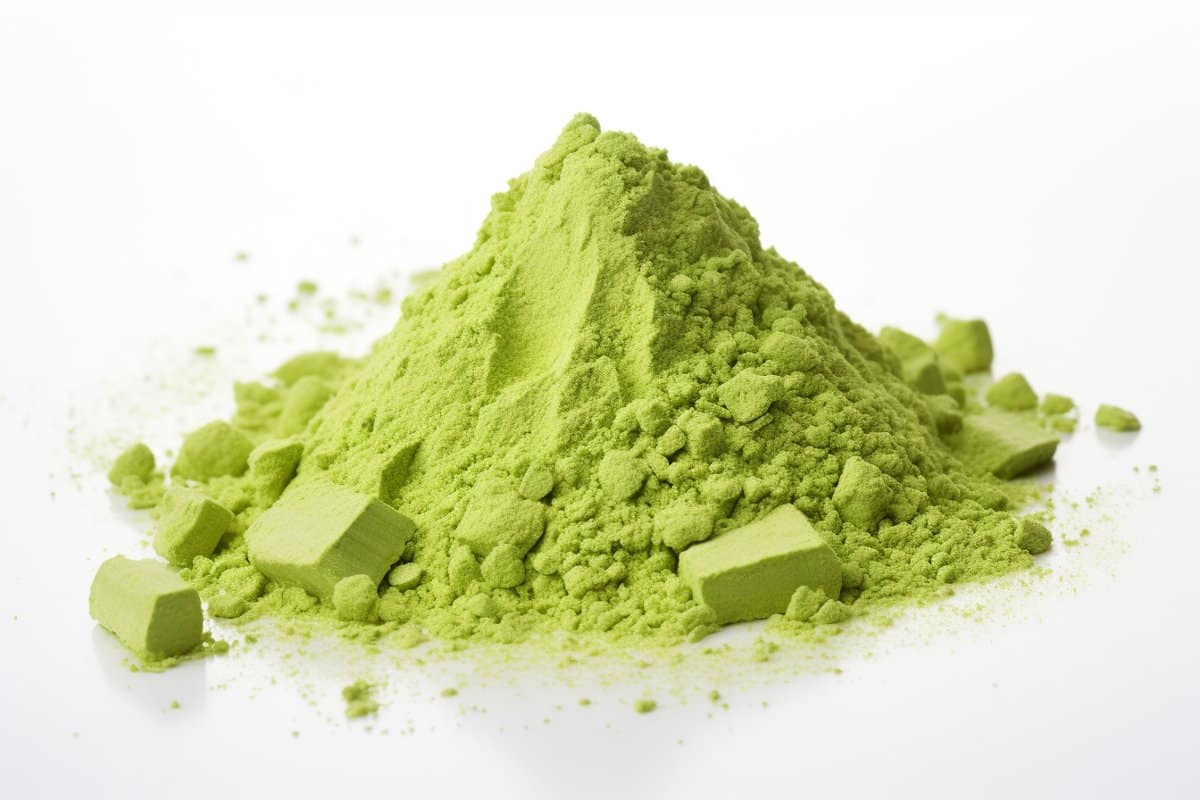
A compound found in wasabi, known as 6-MSITC, has been found to enhance certain cognitive functions, specifically working and episodic memory, in older adults. In a double-blinded, randomized controlled trial, participants who received a 6-MSITC supplement showed significant improvements in memory compared to those who received a placebo. However, no significant improvements were observed in other cognitive areas such as processing speed or attention. This study highlights the potential benefits of dietary interventions, specifically incorporating foods high in 6-MSITC, in supporting cognitive health in the aging population. Further research is needed to fully understand the effects and applications of 6-MSITC in cognitive health.

Advancements in Understanding Inflammatory Bowel Disease and the Gut
health3 years ago

Advancements in Understanding Inflammatory Bowel Disease and the Gut

Inflammatory bowel disease (IBD) affects millions of people worldwide, causing symptoms such as nausea, diarrhea, and abdominal pain. Recent research has shown that individuals with IBD have distinct characteristics in their gut microbiome, offering potential insights into better treatments. Dietary interventions, such as following a healthy diet and lifestyle, have been found to help manage symptoms. Other avenues of research include studying gut immune cells and exploring fecal microbiota transplantation as potential treatment options.

"Protein Supplements at the Gym: Heart Attack Risk?"
health3 years ago

"Protein Supplements at the Gym: Heart Attack Risk?"

Protein supplements are often suggested for weight loss, building lean muscle mass or repairing broken tissue after an intense workout, but one has to weigh how much one needs in such a circumstance. The average protein requirement for an adult is 0.8 to 1 gm per kg of body weight. Too much protein causes plaque build-up and creates rhythm disturbance in the heart. Protein powders may contain heavy metals, pesticides or other contaminants. If you indeed need protein powder supplementation because of health conditions and a plant diet which doesn’t give you enough, your doctor will tell you the dosage you require to make up for the deficiency in your diet.

Comparing weight loss diets: Which one is most effective?
medicine3 years ago

Comparing weight loss diets: Which one is most effective?

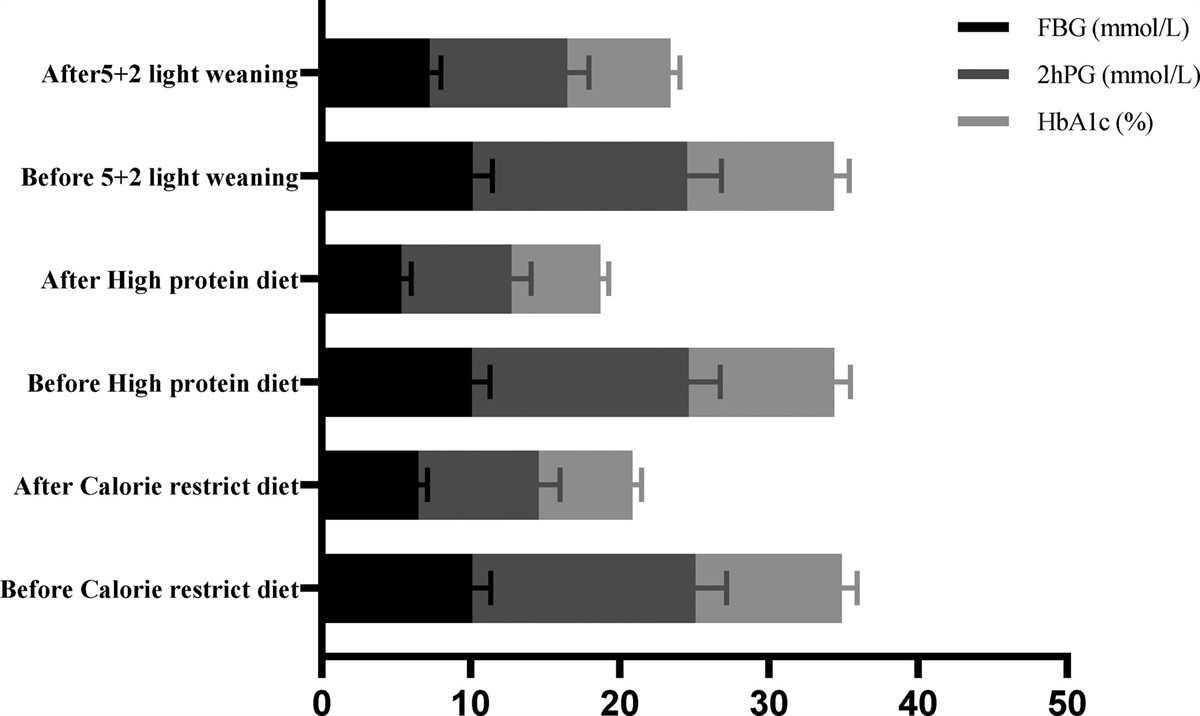
A retrospective study investigated the effects of three different dietary interventions (calorie-restricted diet, high protein diet, and 5+2 intermittent fasting) on body weight, BMI, body fat, glucose, and lipid metabolism in 135 obese patients in China. The study found that all three dietary interventions had beneficial effects on weight loss and metabolic disorders. Calorie-restricted diet and high protein diet were effective in reducing body weight and body fat, while 5+2 intermittent fasting was more effective in reducing glucose and lipid metabolism. The study suggests that dietary interventions should be adapted to the dietary habits and social culture of specific regions.