
Florida Declares Emergency as Dengue Cases Surge to 190
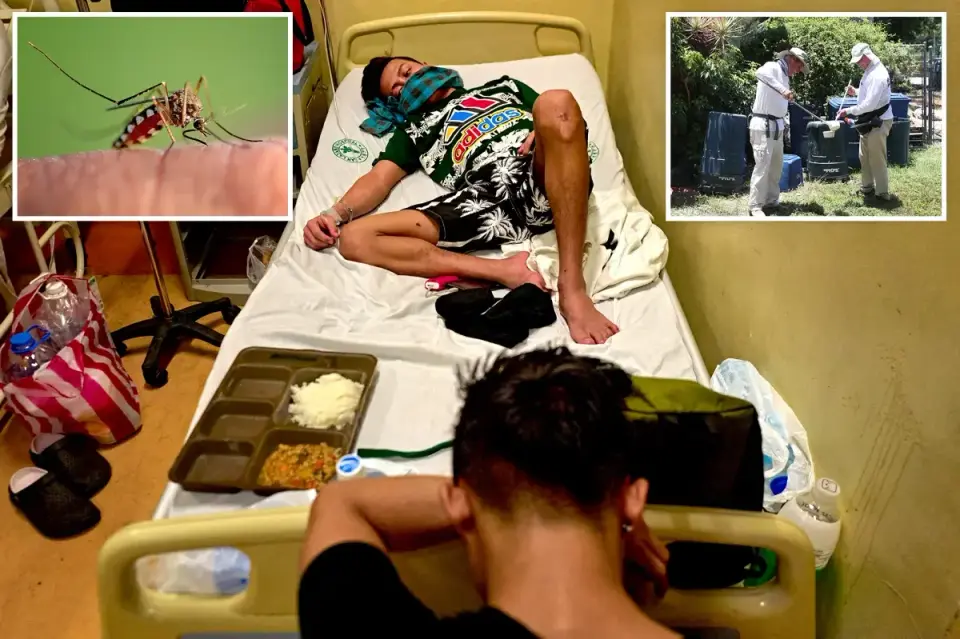
Florida health officials have declared a state of emergency in Hillsborough, Pinellas, and Pasco counties due to a 'wildly unusual' surge in locally acquired dengue fever cases. The Florida Department of Health reports 190 confirmed cases and one death, with Hillsborough County accounting for the majority of infections. While recent mosquito testing shows no active virus transmission, experts warn that the disease is becoming a 'new normal' in the US due to climate factors and proximity to endemic regions.
Key points
- Hillsborough, Pinellas, and Pasco counties declared local states of emergency to authorize rapid mosquito control measures and federal reimbursement for expenses.
- The Florida Department of Health reports 190 locally acquired dengue cases and one death, with Hillsborough County recording 134 cases and a fatality in Tampa.
- Recent mosquito samples tested negative for the virus over the last two weeks, and lab tests confirm infected females are not passing the virus to offspring, suggesting the outbreak may be waning.
- Experts attribute the surge to heavy rainfall, warmer temperatures, and proximity to dengue-endemic areas like Puerto Rico, noting that 75% of the US is now suitable for Aedes mosquitoes.
- Health officials urge residents to drain standing water, use EPA-registered repellents, and seek immediate care for severe symptoms like persistent vomiting or bleeding, as 75% of infected individuals are asymptomatic.
Background
This outbreak follows a significant rise in dengue cases in Florida since July 2026, with earlier reports indicating 95 locally acquired cases in Hillsborough County and a death in September. Previous outbreaks in the continental US occurred in 2009 in Key West and 2004, but current transmission is the second-highest in state history after 199 cases in 2023. The CDC has noted increasing risks for locally acquired cases due to expanding mosquito habitats.
How outlets are covering it
The New York Post emphasizes the 'wildly unusual' nature of the outbreak and the declaration of emergency, citing 190 cases. The Washington Post focuses on the coordinated emergency declarations across three counties and the ramp-up of mosquito control efforts. BayNews9 and Fox 13 Tampa Bay provide granular details on the emergency orders, noting that Hillsborough County accounts for 88% of Florida's infections and that Tampa General Hospital has treated over 100 patients. While the New York Post highlights the potential for dengue to become a 'new normal,' Fox 13 Tampa Bay stresses the immediate medical risks, noting that one in four infected people develop illness and one in 20 develop severe disease. All sources agree on the urgency of mosquito control and public prevention measures, but differ in emphasis between the long-term trend and immediate emergency response.
Why it matters
The dengue outbreak highlights the growing threat of mosquito-borne diseases in the US due to climate change and urban expansion. The emergency declarations signal a shift in public health strategy, prioritizing rapid response and resource allocation. The high number of asymptomatic cases underscores the difficulty of tracking transmission and the importance of preventive measures. This event may influence future public health policies and funding for mosquito control in vulnerable regions.
What to watch
Health officials will monitor mosquito populations and virus transmission over the coming weeks, with emergency declarations set to expire in seven days unless extended. Public health campaigns will continue to urge residents to eliminate standing water and use repellents. The CDC may issue further guidance on surveillance and vector control in areas with competent mosquito vectors. Long-term, experts expect dengue to remain a persistent threat in the US, requiring ongoing preparedness and response efforts.
- Florida officials warn of ‘wildly unusual’ disease outbreak, declare state of emergency New York Post
- Florida counties declare emergency over ‘wildly unusual’ dengue outbreak The Washington Post
- Dengue across Tampa Bay: How to prevent infection as cases rise wtsp.com
- Hillsborough, Pinellas, Pasco counties issue local state of emergency in response to dengue fever baynews9.com
- States of Emergency issued over dengue fever FOX 13 Tampa Bay
Want the full story? Read the original reporting
Read on New York Post