
Florida’s Record Leprosy Cases Linked to Armadillos, Not Outbreaks
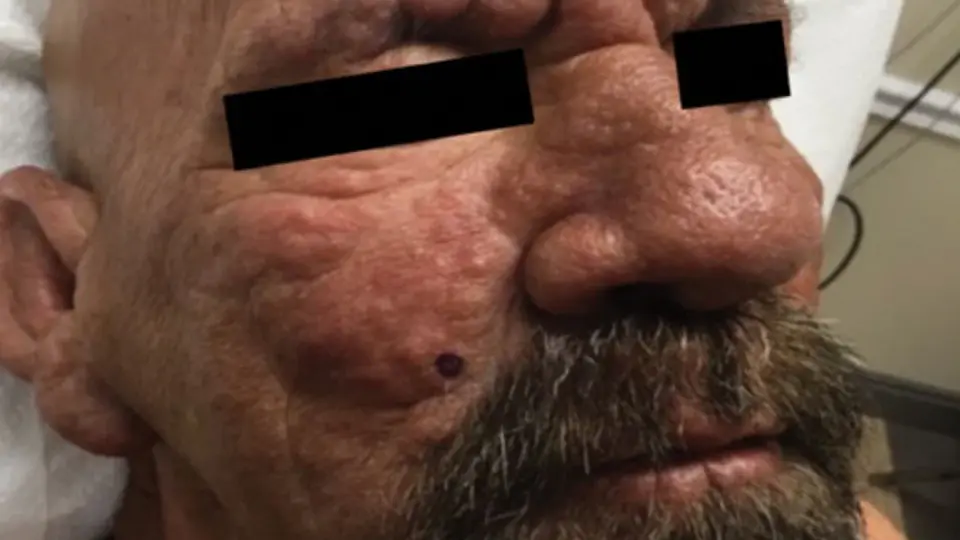
Florida reported a record 36 cases of Hansen's disease in 2025 and 17 more by July 2026. While the disease is curable and not easily spread between people, health officials suspect nine-banded armadillos are driving local transmission in Central Florida.
Key points
- Florida recorded 36 cases in 2025, up from 20 in 2024, with 17 cases reported by July 2026.
- 27 of the 2025 cases were contracted locally, not abroad, suggesting endemic transmission.
- Central Florida accounts for 81% of state cases, with Brevard County being a primary hotspot.
- Nine-banded armadillos carry the bacteria Mycobacterium leprae; 15-20% of local armadillos are infected.
- The disease is curable with antibiotics and requires prolonged exposure to transmit between humans.
Background
Previous coverage in July 2026 established that Florida's leprosy cases were rising, with 17 cases reported by late July. Officials emphasized that while the disease is curable, the local transmission pattern suggested a low-level endemic presence rather than a sudden outbreak. Central Florida counties, including Brevard, Lake, and Orange, were identified as recurring hotspots for these infections.
How outlets are covering it
WPEC highlights the record-breaking numbers and specific county data, noting 17 cases in 2026. USA Today and WBAL-TV emphasize the role of armadillos, citing a 2015 study that 15-20% of armadillos carry the bacteria. While WPEC focuses on the statistical record, the other outlets stress that the risk to the general public remains low, as transmission requires prolonged exposure or contact with contaminated soil. Dr. Naushad Amin, cited by WBAL, clarifies that this is likely a low-level endemic situation, not an outbreak.
Why it matters
The rise in locally acquired cases suggests leprosy may be becoming endemic in parts of the U.S. South. Understanding the armadillo link is crucial for public health messaging, as it shifts focus from human-to-human transmission to environmental and animal contact, guiding prevention advice for gardeners and outdoor workers.
What to watch
Health officials will continue monitoring case numbers in Central Florida. Public health campaigns may expand to advise residents on avoiding armadillo contact and wearing protective gear when gardening. Researchers will likely investigate whether climate change is expanding armadillo habitats, further influencing disease prevalence.
- Florida leprosy cases reached a record. See where cases are being reported WPEC
- A 4,000-year-old disease is on the rise in this state thanks to armadillos USA Today
- Rare disease spreads in Florida; doctors think one animal is to blame Syracuse.com
- A 4,000-year-old disease is on the rise in Florida. Scientists say armadillos may be to blame WBAL-TV
- Florida Is Seeing a Leprosy Surge, and Scientists Think These Creatures Are to Blame People.com
Want the full story? Read the original reporting
Read on WPEC