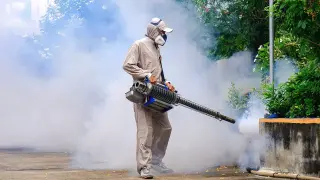
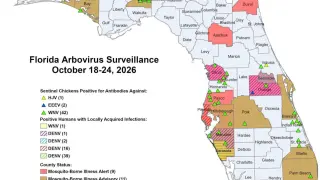
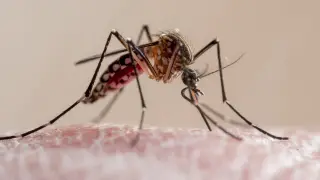
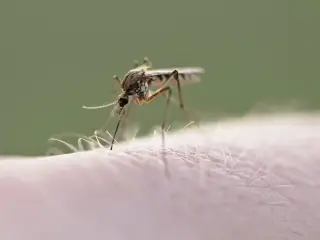
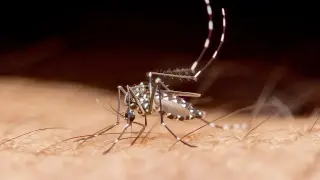
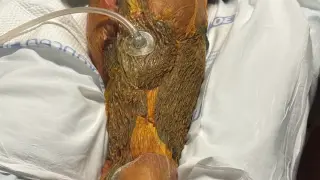
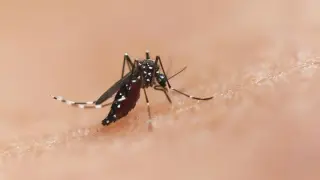
Florida is experiencing its largest dengue fever outbreak in decades, with 485 locally acquired cases reported as of late October. Hillsborough County accounts for the vast majority of infections, leading to extended emergency declarations and intensified aerial and ground mosquito spraying. While most cases are mild, one death has been confirmed, and health officials urge residents to eliminate standing water and use repellents, especially during Halloween activities.
Florida has recorded 485 locally acquired dengue cases as of October 24, 2026, marking the largest outbreak in decades. Hillsborough County accounts for 385 of these cases and has extended its state of local emergency until November 5. One death has been confirmed in Hillsborough County. The Florida Department of Health urges residents to eliminate standing water and use repellents, particularly during Halloween weekend activities.
The Florida Department of Health is considering removing school entry requirements for four vaccines: Haemophilus influenzae type b (Hib), chickenpox, pneumococcal, and hepatitis B. While these diseases are currently rare due to high vaccination rates, experts warn that dropping mandates could lower coverage and increase risks for vulnerable children. This move occurs as Florida faces a significant measles outbreak and falling MMR vaccination rates.
Florida is experiencing its largest dengue fever outbreak in decades, with 368 locally acquired cases reported as of October 10. Hillsborough County accounts for 310 of these cases, including one fatality. Orange County has initiated emergency mosquito spraying after confirming five new cases. Health officials attribute the surge to climatic factors, human travel, and the presence of Aedes aegypti mosquitoes, urging residents to use repellents and eliminate standing water.
Broward County officials confirmed a locally acquired case of dengue fever on October 5, 2026. This development coincides with a statewide surge, with Florida Health reporting 252 confirmed cases across seven counties as of September 26. While Hillsborough County accounts for the majority of infections, the new case in Broward indicates expanding transmission. Authorities are coordinating surveillance and spraying efforts, though specific locations remain undisclosed to protect privacy.
Florida has confirmed 190 locally acquired dengue cases, with Hillsborough County accounting for 170. Three counties declared states of emergency to expedite mosquito control, while experts warn that underreporting and climate change may be driving the unprecedented surge.
Florida has recorded five deaths from Vibrio vulnificus in 2026, including a new fatality in Pinellas County. The state reports 23 total cases, matching last year’s death toll but significantly lower than 2024. Health officials warn that the bacteria, which thrives in warm coastal waters, carries a 50% fatality rate if it enters the bloodstream, particularly for those with chronic illnesses.
The Florida Department of Health confirmed the state's first dengue-related death in nearly a century, marking a critical escalation in the 2026 outbreak. The victim, an 80-year-old Tampa resident, died from locally acquired infection, prompting intensified mosquito control efforts and public health warnings across Hillsborough County.
Florida has confirmed its first dengue-related death of 2026, marking a significant escalation in a local outbreak centered in the Tampa Bay area. Gay Small, an 80-year-old resident of Hillsborough County, died on September 4 from complications including septic shock and multi-organ failure. While her family believes she contracted the virus abroad years ago, the current surge involves locally transmitted cases. As of September 12, the state reported 152 cases, with Hillsborough County accounting for 134. Health officials are intensifying mosquito control efforts, noting that recent insecticide treatments have successfully reduced the viral load in local mosquito populations, though public cooperation in eliminating standing water remains critical to prevent further spread.
Florida health officials confirmed that Gay Small, an 80-year-old Hillsborough County resident, is the first person to die from dengue fever in the state this year. Small died on Sept. 4 at Tampa General Hospital from dengue infection, septic shock, and multi-organ failure. The death marks the first dengue fatality in Tampa Bay in nearly a century. Florida has seen a surge in locally acquired cases, with 152 confirmed by Sept. 12, 134 of which are in Hillsborough County. While mosquito control efforts have reduced positive test results recently, officials warn that human-to-mosquito transmission remains a risk.
Vibrio vulnificus infections have surged along the Gulf Coast in 2026, with Florida reporting 22 cases and four deaths, and Louisiana recording 17 cases and six deaths. The rare bacterium, found in warm brackish waters and raw seafood, poses a severe risk to individuals with compromised immune systems, causing rapid tissue destruction and high mortality rates. Health officials urge strict precautions, including cooking seafood thoroughly and keeping open wounds out of coastal waters, as cases continue to rise through the peak season.
Florida has recorded its fourth death from Vibrio vulnificus, a flesh-eating bacterium linked to raw oysters and warm coastal waters, bringing the state's 2026 case count to 21. The latest fatality involved a resident of Broward County, while previous deaths occurred in Bay, Palm Beach, and Marion counties. Health officials warn that the bacteria, which thrives in brackish water, poses a severe risk to individuals with compromised immune systems, with bloodstream infections carrying a 50% mortality rate. Although the exact transmission route for the newest case is unclear, authorities emphasize that most infections stem from consuming undercooked shellfish or exposing open wounds to contaminated water. This surge follows a pattern of increased cases in recent years, particularly following major hurricanes that created standing water. While healthy individuals may experience mild symptoms, those with pre-existing conditions face a significantly higher risk of severe complications, including septic shock and tissue damage requiring amputation. Other Gulf Coast states, including Louisiana and Texas, are also reporting elevated numbers of cases and fatalities, prompting broad public health advisories regarding seafood consumption and wound care.
Florida is experiencing a severe surge in locally acquired dengue fever cases, with the state leading the U.S. in infections. As of late August, there were 73 confirmed local cases, primarily in Hillsborough County. A potential first local death in nearly a century was reported in Tampa, involving an 80-year-old woman. In response, authorities are conducting extensive aerial pesticide spraying and urging residents to eliminate standing water to break the transmission cycle.
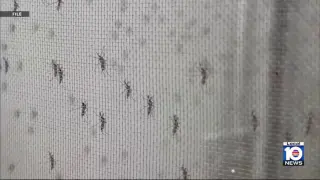
Locally acquired dengue cases in Florida have reached 73 this year, with the Tampa Bay region serving as the primary hotspot. Hillsborough County reports 59 confirmed infections, all identified as the DENV-2 strain, while Pinellas and Pasco counties have also recorded cases. Officials are intensifying aerial and ground spraying, with neighboring counties coordinating resources to combat the Aedes aegypti mosquito. Health authorities warn that cases may continue to rise, urging residents to eliminate standing water and use repellents to prevent further transmission.
Hillsborough and Pasco counties have launched joint helicopter spraying operations to combat a surge in locally acquired dengue cases in the Tampa Bay area. While no deaths have been reported, health officials warn that the virus is spreading rapidly through urban neighborhoods, requiring aggressive intervention to break the transmission cycle.