Tag

Hansens Disease

All articles tagged with #hansens disease

Florida leprosy cases hit 19 in 2026, with Brevard County adding two new diagnoses
health3 months ago

Florida leprosy cases hit 19 in 2026, with Brevard County adding two new diagnoses

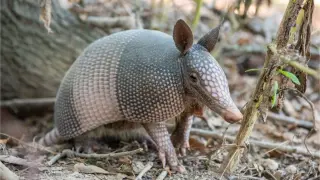
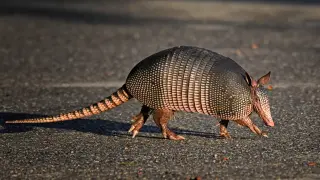
Florida has recorded 19 cases of Hansen's disease (leprosy) in 2026, with two new diagnoses in Brevard County. While the disease remains rare and highly curable, experts link the rise to local transmission involving nine-banded armadillos. The CDC notes that 95% of people have natural immunity, and transmission requires prolonged exposure, not casual contact.
Florida hits record leprosy cases as Central Florida armadillo link deepens
health3 months ago

Florida hits record leprosy cases as Central Florida armadillo link deepens

Florida reported a record 36 Hansen's disease cases in 2025, surpassing the previous peak of 29 in 2015. Preliminary data shows 17 additional cases in 2026 as of mid-July. While cases are concentrated in Central Florida, particularly Brevard County, officials emphasize the disease remains rare and curable. The rise in locally acquired infections has prompted investigation into nine-banded armadillos as a potential transmission source, though experts note that casual contact does not spread the infection.

Florida's Rising Leprosy Cases Linked to Armadillos, Not Outbreaks
health3 months ago

Florida's Rising Leprosy Cases Linked to Armadillos, Not Outbreaks

Florida reported 36 leprosy cases in 2025, a significant increase from 20 in 2024. While the disease remains rare and curable, health officials attribute the rise to local transmission via nine-banded armadillos, which carry the bacteria Mycobacterium leprae. Experts emphasize that the risk to the general public is low, as 95% of people are naturally immune, and cases are likely endemic rather than an outbreak.

Florida's Rising Leprosy Cases Linked to Armadillo Exposure
health3 months ago

Florida's Rising Leprosy Cases Linked to Armadillo Exposure

Florida is experiencing a notable increase in leprosy cases, with 17 reported in 2026 and 36 in 2025, largely concentrated in Central Florida. Health officials attribute this rise to zoonotic transmission from nine-banded armadillos, which carry the bacteria Mycobacterium leprae. While the disease remains rare and highly curable, experts emphasize that early diagnosis is critical to prevent permanent nerve damage, and they advise the public to avoid contact with armadillos and contaminated soil.

Armadillos and an ancient disease: a Florida leprosy uptick
health3 months ago

Armadillos and an ancient disease: a Florida leprosy uptick

Florida is seeing more leprosy (Hansen's disease) cases, with 17 infections in the state so far this year and 36 statewide in 2025 (27 locally contracted). Nine-banded armadillos are known carriers of the bacteria causing leprosy, and environmental exposure or climate-driven armadillo habitat expansion could be contributing to locally acquired cases in the U.S. South. Leprosy remains rare and is curable with antibiotics, and overall public risk is low, but health officials are monitoring the animal reservoir and transmission routes.

Armadillos May Explain Florida’s Leprosy Uptick
health4 months ago

Armadillos May Explain Florida’s Leprosy Uptick

Florida’s leprosy cases rose in 2025 (36 total, 27 locally acquired) and continued into 2026 (17 cases by mid‑July); infections cluster in Central Florida, notably along the I‑4 corridor, with armadillos known to carry Mycobacterium leprae. While zoonotic transmission occurs, the overall risk to the public remains very low. Leprosy is curable with standard multidrug therapy. Public guidance emphasizes avoiding handling armadillos and informing providers of armadillo exposure if persistent skin lesions or numbness develop.

Armadillos Linked to Florida Leprosy Surge, Public Urged to Take Precautions
health4 months ago

Armadillos Linked to Florida Leprosy Surge, Public Urged to Take Precautions

Florida saw an uptick in Hansen’s disease (leprosy) with 36 confirmed cases in 2025 and ongoing cases in 2026, concentrated in Central Florida and along the Interstate 4 corridor. Armadillos are known carriers of Mycobacterium leprae, and locally acquired infections have been documented, though the overall risk to the public remains low. Health officials urge clinicians to be aware of the disease’s long incubation and potential misdiagnosis, advise avoiding handling armadillos or skinning them, and recommend gloves and skin washing if exposure occurs. Leprosy is curable with multidrug therapy and early treatment prevents nerve damage.

I-4 Corridor Armadillos Tied to Florida Leprosy Surge
health4 months ago

I-4 Corridor Armadillos Tied to Florida Leprosy Surge

Florida’s Hansen’s disease cases rose to 17 as of July 11, 2026, concentrated in Central Florida along the I-4 corridor where armadillos—known carriers—are suspected sources; the disease remains rare and curable with antibiotics when diagnosed early, symptoms may take years to appear, and most cases are acquired abroad or via environmental exposure rather than casual contact.

"Rising Leprosy Cases in the U.S.: Know the Symptoms"
health2 years ago

"Rising Leprosy Cases in the U.S.: Know the Symptoms"

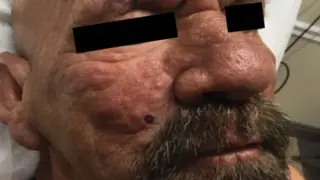
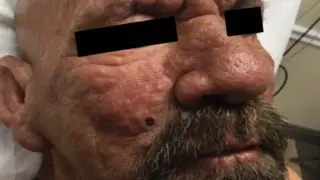
The CDC has reported an increase in leprosy cases in the U.S., particularly in Florida, Texas, New York, California, Arkansas, Louisiana, and Hawaii, with concerns that the disease may have become endemic in the southeastern U.S. Leprosy, caused by the Mycobacterium leprae bacteria, can lead to skin discoloration, growths, hair loss, mucous membrane issues, and nerve damage. It's important to be aware of these symptoms and seek medical attention if necessary.

Leprosy Resurgence: Modern Threat or Ancient History?
health2 years ago

Leprosy Resurgence: Modern Threat or Ancient History?

Leprosy, also known as Hansen's disease, is resurfacing in the US, particularly in parts of the southeastern region such as Florida, with an urgent need for health care providers to report new cases immediately. The disease primarily affects the skin and peripheral nervous system, causing physical deformity and desensitizing one's ability to feel pain on affected skin. While leprosy is preventable and treatable, efforts to control and eradicate it worldwide need to be enhanced, with the World Health Organization launching a plan in 2021 for achieving zero leprosy.