
Florida Reports 26 Leprosy Cases in 2026, Down From 2025 Record
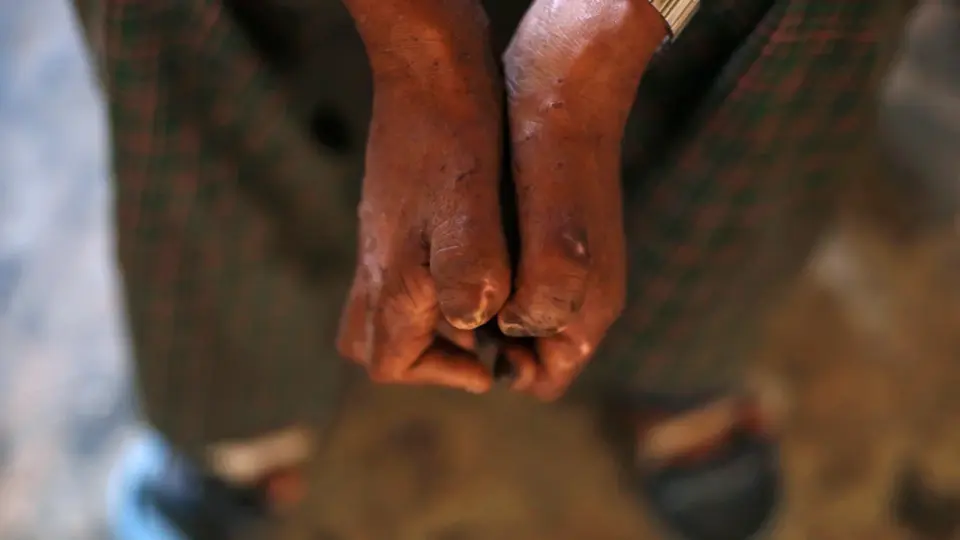
Florida has recorded 26 cases of Hansen's disease (leprosy) in 2026, a figure that is up from previous years but down from the 36 cases reported in 2025. The latest case involves a 40- to 44-year-old resident of Broward County. While the disease is rare and curable, cases in the U.S. have risen since 2015, with Florida accounting for a significant share of national totals. Researchers suspect the nine-banded armadillo, common in Florida, may be a source of infection, though the disease is difficult to contract and 95% of people have natural immunity.
Key points
- Florida reported 26 Hansen's disease cases in 2026, down from a modern high of 36 in 2025 but up from the 2015 figure of 29.
- The latest case involves a 40- to 44-year-old person in Broward County, bringing the state total to 26 as of the week ending Nov. 21.
- Florida has nearly three times as many cases as Texas, which reported nine, according to infectious disease monitor ENCLAI.
- Cases have been reported in 16 Florida counties, including Polk and Orange, which each had three cases.
- Hansen's disease is a bacterial infection that is difficult to contract and curable with antibiotics; about 95% of people have natural immunity.
- The nine-banded armadillo, common in Florida, is identified as a possible source of infection, though the disease does not spread through casual contact.
Background
Leprosy, clinically known as Hansen's disease, is a rare bacterial infection that affects the skin, nerves, eyes, and nose. In the U.S., cases have increased since 2015 after decades of decline, with Florida averaging more than 21 cases per year since then. The disease is curable with antibiotics, and most U.S. cases are contracted in other countries where the disease is endemic. The CDC notes that the disease is difficult to catch, and 95% of people have natural immunity. The nine-banded armadillo is the only animal besides humans known to carry the bacteria, and its range correlates with disease spread in the southern U.S.
Why it matters
The rise in leprosy cases in Florida highlights a growing public health concern in the U.S., where the disease was once thought to be nearly eradicated. While the disease is rare and curable, the increase in cases, particularly in Florida, raises questions about the role of armadillos in transmission and the need for early detection and treatment. The disease can cause severe complications if left untreated, including nerve damage, paralysis, and blindness, making awareness and prompt medical attention critical.
What to watch
Florida health officials will continue to monitor and report new cases of Hansen's disease throughout 2026. The state's total may increase as the year progresses, and public health authorities will likely emphasize the importance of early diagnosis and treatment. Researchers may continue to investigate the role of armadillos in the spread of the disease, and the CDC may provide updated guidance on prevention and treatment. The National Hansen's Disease Program will continue to support patients through its specialized clinics across the U.S. and Puerto Rico.
Want the full story? Read the original reporting
Read on The Palm Beach Post