
Huberman’s MRI endorsement sparks fierce debate over overdiagnosis and cost
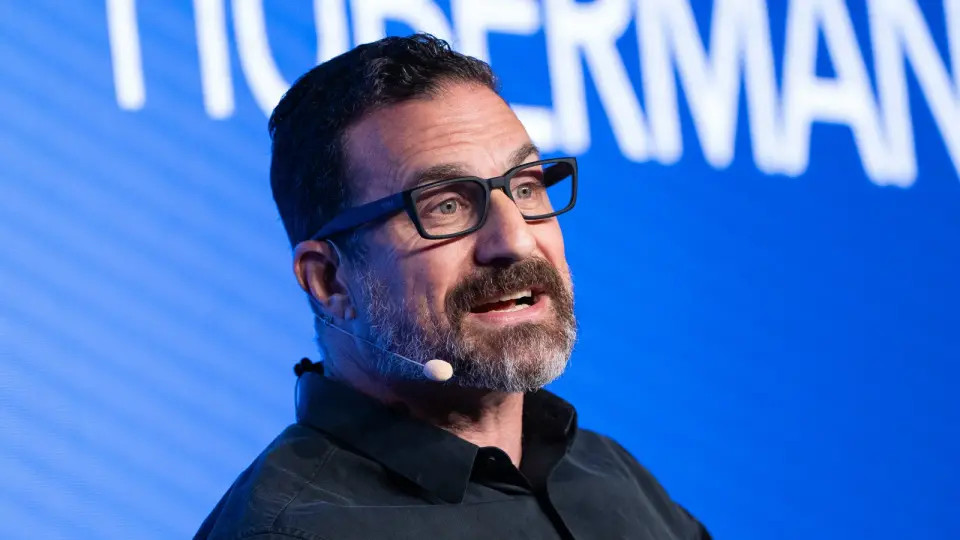
Neuroscientist Andrew Huberman recently defended full-body MRI scans on social media, claiming they save lives by detecting operable issues in asymptomatic individuals. This statement triggered immediate backlash from medical professionals who argue that such scans lead to overdiagnosis, false positives, and unnecessary procedures. While Huberman cites anecdotal evidence from neurosurgeons, critics point to data showing that most incidental findings are benign. The debate highlights the tension between direct-to-consumer wellness trends and evidence-based medical guidelines, with experts noting that these expensive, uninsured tests may divert resources from more critical healthcare needs.
Key points
- Andrew Huberman, a neuroscientist and podcaster, posted on X on August 1 acknowledging that full-body MRIs are controversial and costly but arguing they save lives by finding operable issues in curious, healthy individuals.
- Huberman disclosed that he receives financial compensation and sponsored content from Function Health, a company that offers full-body MRI services, creating a potential conflict of interest in his endorsement.
- Medical experts, including Dr. Sanjay S Dhall of UCLA and Dr. Anthony DiGiorgio of UCSF, strongly disputed Huberman’s claims, stating they have never performed life-saving surgeries based on incidental findings from whole-body MRIs in asymptomatic patients.
- A 2020 study cited in the report indicates that while 95% of asymptomatic patients have some abnormal finding on a full-body MRI, only 1.8% of these findings are actually cancer, highlighting the high rate of false positives.
- Dr. Manjiri Dighe of the University of Washington described whole-body MRI as being in its 'clinical infancy,' lacking large-scale longitudinal data to prove it saves more lives than it complicates through overdiagnosis.
- The scans are not covered by insurance and cost several hundred to several thousand dollars, making them a luxury item rather than an evidence-based medical necessity for the average person.
Background
This controversy follows earlier discussions in July 2026 regarding the pros and cons of whole-body imaging for asymptomatic individuals. Previous coverage noted that while major medical groups and the FDA warn against routine screening in healthy individuals due to risks of overdiagnosis and high costs, some providers continue to promote these services under the guise of preventive care. The current debate intensifies these existing tensions by involving a high-profile public figure with financial ties to a specific provider.
Why it matters
The debate over full-body MRIs reflects a broader conflict between consumer-driven wellness trends and established medical standards. As wealthy individuals increasingly seek direct-to-consumer diagnostic tools, the potential for overdiagnosis and unnecessary medical interventions grows. This not only impacts individual health anxiety and financial burden but also raises concerns about the efficient allocation of healthcare resources in a system already struggling with access issues. The involvement of influential figures like Huberman amplifies these concerns, potentially normalizing expensive, unproven screening methods for the general public.
What to watch
The discussion is likely to continue as more medical professionals and public figures weigh in on the efficacy and ethics of direct-to-consumer full-body MRIs. Regulatory bodies may scrutinize the marketing of these services, particularly when endorsed by individuals with financial interests. Additionally, ongoing research may provide more data on the long-term outcomes of such screenings, potentially influencing future guidelines for preventive care in asymptomatic populations.
Want the full story? Read the original reporting
Read on USA Today