Joe Amabile, a star from the 'Bachelor' franchise, underwent brain surgery after a full-body MRI revealed a malignant tumor. He is now taking medication and monitoring his health, while debating the value of such scans.
Neuroscientist Andrew Huberman recently defended full-body MRI scans on social media, claiming they save lives by detecting operable issues in asymptomatic individuals. This statement triggered immediate backlash from medical professionals who argue that such scans lead to overdiagnosis, false positives, and unnecessary procedures. While Huberman cites anecdotal evidence from neurosurgeons, critics point to data showing that most incidental findings are benign. The debate highlights the tension between direct-to-consumer wellness trends and evidence-based medical guidelines, with experts noting that these expensive, uninsured tests may divert resources from more critical healthcare needs.
The article discusses four key cancer screening tests for adults over 35—standard screenings like colonoscopy, mammograms, Pap smears, and PSA tests; advanced blood tests like Galleri; genetic testing for inherited risks; and full-body MRI scans—highlighting their importance for early detection and prevention, along with lifestyle factors influencing cancer risk.
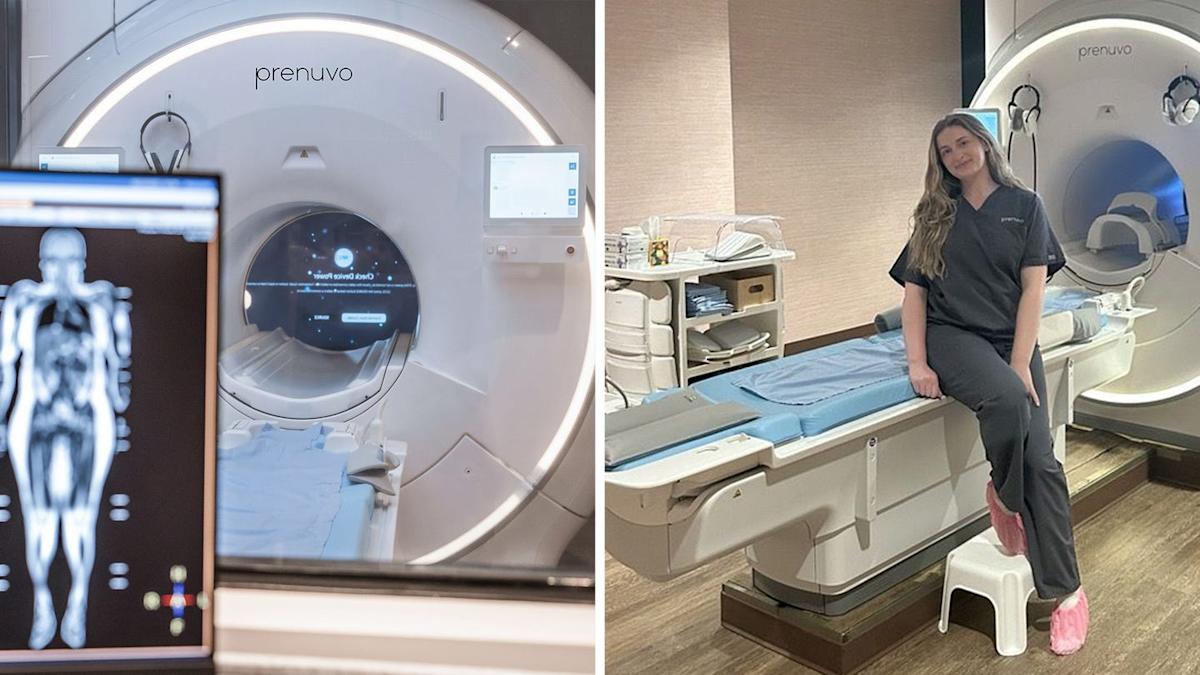
The article reviews a personal experience with a $4,500 full-body MRI scan from Prenuvo, highlighting its potential to detect serious health issues early, its limitations compared to traditional screenings, and the high cost and incidental findings that may cause unnecessary anxiety. While it offers valuable insights for high-risk individuals, experts suggest it is not yet a necessary or cost-effective tool for the general population, emphasizing that traditional prevention and regular checkups remain the best approach to health.
Full-body MRIs are promoted for early detection of cancer and other health issues, with some success stories like early lung cancer detection, but they remain controversial due to lack of conclusive evidence on life-saving benefits and concerns about overdiagnosis and cost. Medical experts suggest considering personal risk factors, family history, and budget before opting for such scans, and emphasize that they should complement, not replace, standard screenings.
Full-body MRIs are gaining popularity for early disease detection, especially among health-conscious individuals, but their effectiveness and potential harms are debated. While they can identify some cancers early, many findings are false positives, leading to unnecessary stress and invasive follow-ups. Experts caution that current evidence does not show improved survival rates and recommend targeted screenings instead. The high cost and limited accessibility further complicate their widespread use.
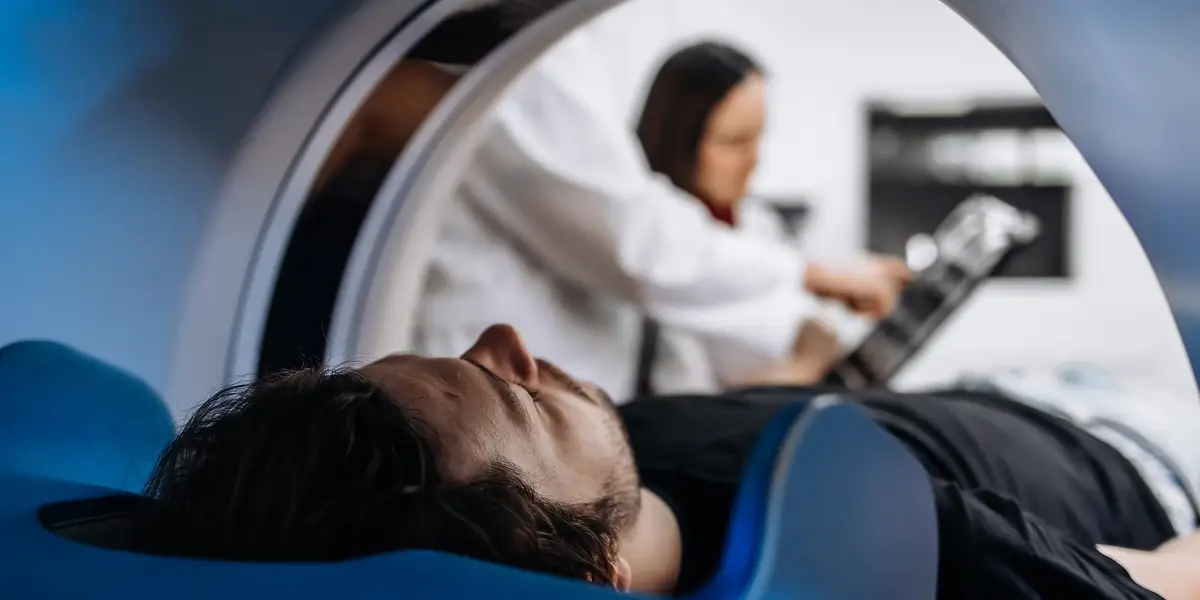
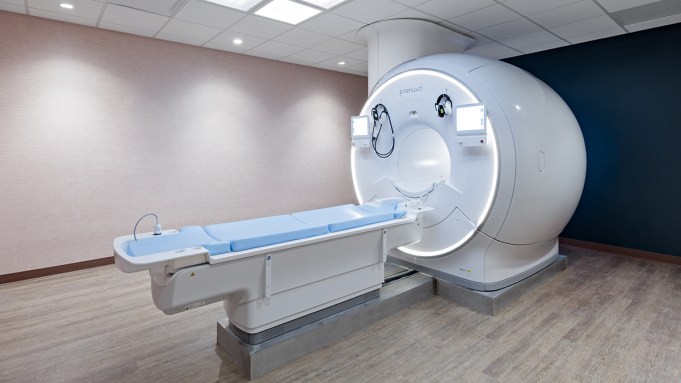
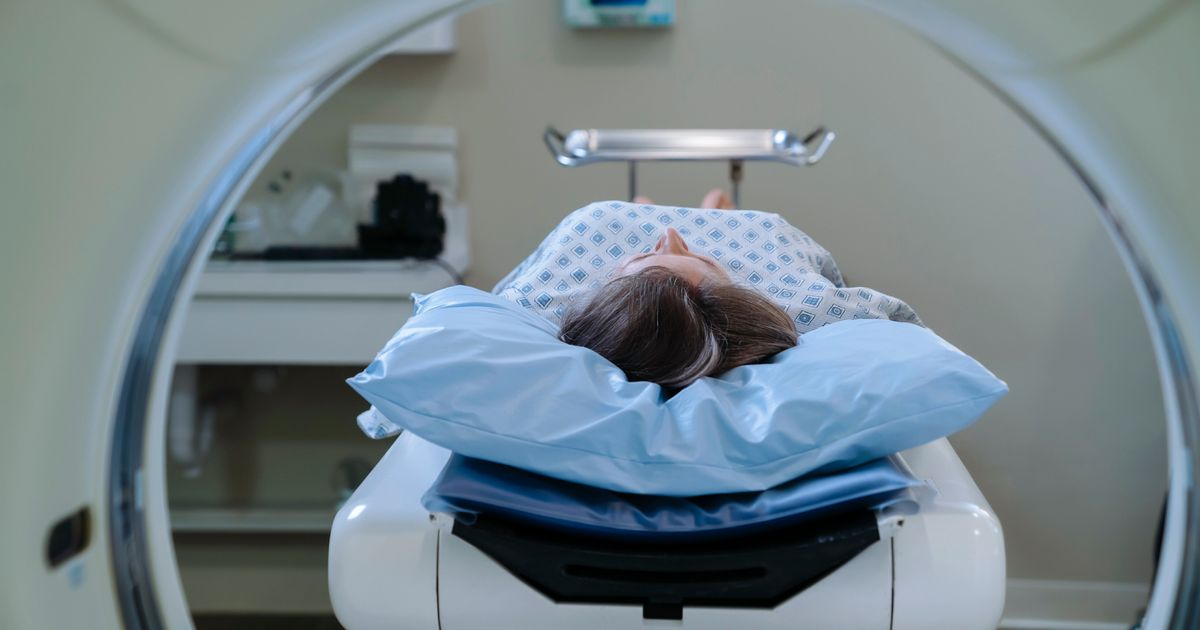
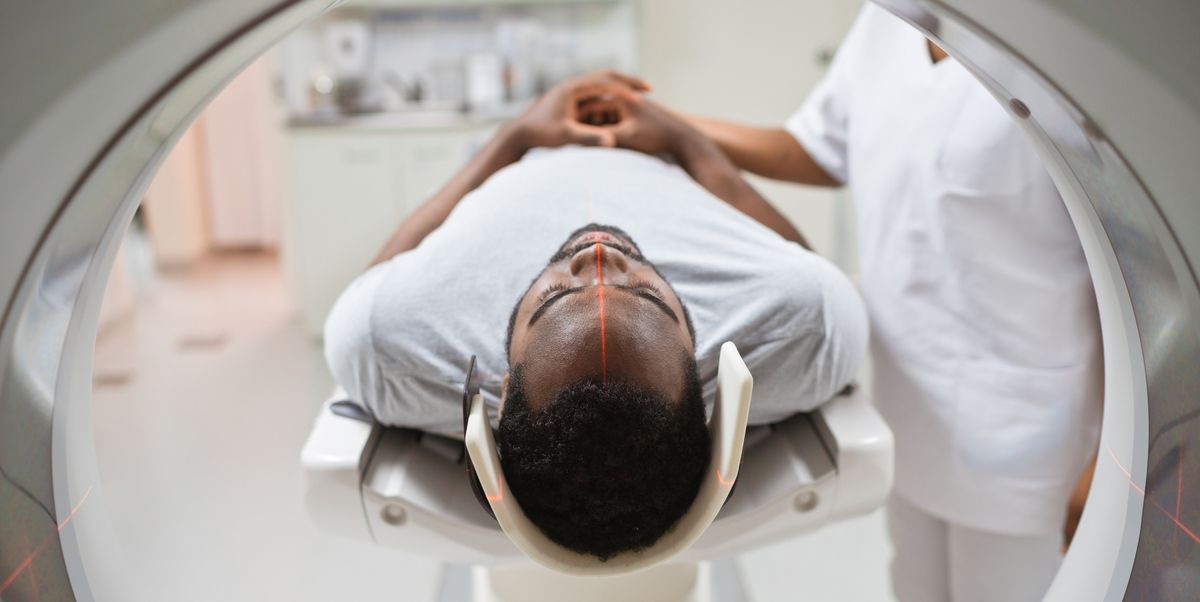
The Prenuvo scan offers a preventive full-body MRI that can detect developing diseases and provide a snapshot of one's physiological state, attracting attention from influencers and celebrities despite its high cost. The experience involves lying still for an hour in a confined space while the scan focuses on different body parts, and the results can bring a mix of relief and anxiety. While it can't answer life's ultimate questions, for some, the peace of mind it provides is priceless.
Full-body MRIs have gained popularity as a means of detecting various medical conditions, but they are expensive and not covered by insurance. Instead, there are more affordable and accessible alternatives for monitoring one's health. Annual physical exams with a primary care physician can help establish a baseline and determine if further testing is necessary. Routine cancer screenings, such as mammograms and pap tests for women, and prostate screenings for men, are important for early detection. Regular bloodwork can provide valuable information about overall health, and spot-specific MRIs can be used to investigate specific symptoms or injuries. Genetic testing may be recommended for individuals with a family history of certain diseases. It is important to consult with a healthcare professional to determine the most appropriate screenings based on individual risk factors and medical history.
Start-up companies like Prenuvo and Ezra are offering full-body MRI scans as a preventive health measure, claiming to detect over 500 conditions early. While some experts believe these scans can provide confidence in one's health and allow for proactive treatment, the American College of Radiology does not recommend total body screening without clinical symptoms, risk factors, or a family history of disease. The cost of a full-body MRI scan can range from $999 to $2,499, and insurance generally does not cover them. While the scans can replace certain medical tests, they are not foolproof and may result in false positives, leading to unnecessary follow-up testing and expenses. It is advised to consult with a trusted physician before considering a full-body MRI scan.
Full-body MRI scans, marketed as a non-invasive, total-body service that can check for hidden cancer and aneurysms, are becoming popular among celebrities and wealthy individuals. However, doctors and experts caution against unnecessary tests and surgeries, emphasizing the importance of lifestyle changes to prevent diseases. While the scans offer peace of mind if nothing is found, they can lead to additional invasive procedures and overdiagnosis if abnormalities are detected. The National Cancer Institute and the American College of Radiology recommend against whole-body MRI screenings for asymptomatic individuals. Regular screenings and paying attention to symptoms remain the recommended approach for preventive health.
Wealthy individuals in Silicon Valley and Los Angeles are increasingly turning to full-body MRIs as a preventive healthcare measure, despite the lack of official medical endorsement. These scans, offered by boutique clinics like Prenuvo, aim to detect potential health issues early on, similar to routine screenings like colonoscopies or mammograms. Advocates argue that early detection can significantly improve survival rates for diseases like cancer. While critics caution against the potential for false positives and unnecessary procedures, proponents believe that more scanning can lead to individualized baselines and reduce anxiety. Start-ups in the quantified health space are also leveraging data and AI to offer personalized care, but the high cost of these services currently limits access to the wealthy.
Full-body MRI scans are best for patients with multiple myeloma, prostate cancer, and melanoma, as well as individuals who have genetic mutations that predispose them to various cancers. While the key benefit to individuals receiving a full-body MRI is possibly catching cancer earlier, radiologists aren't sure the overall benefits of whole-body MRI scans in average-risk or asymptomatic people outweigh the risks. Full-body scans may also be used to determine the extent of cancer or track the cancer’s response to treatments like chemotherapy. However, full-body screenings aren’t recommended for the general population yet, as targeted MRIs that scan a specific part of the body are a more effective approach for the majority of people who either have pain in a specific area or have laboratory abnormalities indicating specific organ issues.