Tag

Preventive Care

All articles tagged with #preventive care

Ophthalmologist warns seven everyday habits may accelerate vision loss
health3 days ago

Ophthalmologist warns seven everyday habits may accelerate vision loss

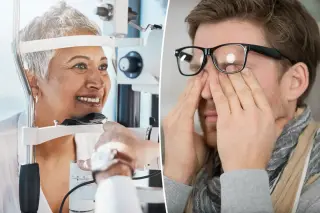
Dr. Douglas Lazzaro, an ophthalmology professor at NYU Langone Health, identified seven common daily habits that may silently damage eye health. These include failing to wear sunglasses, reading in dim light, poor diet, dehydration, inadequate sleep, rubbing the eyes, and delaying routine eye exams. Lazzaro noted that cataracts are appearing five to 10 years earlier than three decades ago, potentially linked to ultraviolet exposure. He emphasized that glaucoma, often called the 'silent thief of sight,' requires annual screening for early detection. Other risks include keratoconus from eye rubbing and vascular issues linked to sleep apnea. Lazzaro advised that while genetics and aging drive many eye diseases, modifying these lifestyle factors can help slow progression and protect vision.


BRCA1 and BRCA2 Mutations: Understanding the Distinct Cancer Risks
health3 days ago

BRCA1 and BRCA2 Mutations: Understanding the Distinct Cancer Risks

A Washington Post explainer details how BRCA1 and BRCA2 mutations differ in the cancers they predispose individuals to, emphasizing that while both increase risk for breast, ovarian, prostate, and pancreatic cancers, the specific probabilities and screening recommendations vary. The article highlights that not all carriers develop cancer and stresses the importance of genetic counseling and early screening to manage these risks effectively.

Young Adult Stroke Incidence Doubles in Three Decades, Prompting Urgent Screening Calls
health4 days ago

Young Adult Stroke Incidence Doubles in Three Decades, Prompting Urgent Screening Calls

National data indicates that stroke rates among adults aged 20 to 54 have doubled since 1993, a trend distinct from the decline seen in older populations. While traditional risk factors like hypertension and diabetes are implicated, experts note the rise is not fully explained by these metrics alone, as heart attack rates in young adults have not seen a similar spike. Vascular neurologists emphasize that early-onset strokes lead to long-term disability and urge young adults to maintain routine wellness visits and recognize warning signs immediately.

Ophthalmologist Identifies Seven Daily Habits Accelerating Age-Related Vision Loss
health4 days ago

Ophthalmologist Identifies Seven Daily Habits Accelerating Age-Related Vision Loss

Dr. Douglas Lazzaro of NYU Langone Health identifies seven common lifestyle habits that may accelerate age-related eye conditions like glaucoma and cataracts. These include unprotected sun exposure, reading in poor lighting, poor diet, dehydration, insufficient sleep, eye rubbing, and delaying routine eye exams. Lazzaro notes that cataracts are appearing five to 10 years earlier than three decades ago, potentially linked to ultraviolet exposure. He emphasizes that annual ophthalmologic exams are critical for detecting silent conditions like glaucoma, which often presents no symptoms until significant damage has occurred.

Cardiologists Debunk Cholesterol Myths as Misinformation Grows
health4 days ago

Cardiologists Debunk Cholesterol Myths as Misinformation Grows

Cardiologists are pushing back against rising online misinformation that questions the link between high LDL cholesterol and heart disease. While cardiovascular deaths have declined due to statins and smoking cessation, progress has stalled. Experts emphasize that high cholesterol is often asymptomatic, meaning individuals may feel healthy while plaque builds in arteries. Recent guidance highlights that standard lab ranges do not equal individual safety targets, and lifestyle changes alone may not suffice for high-risk patients. In India, the Cardiology Society recommends lipid screening from age 18, noting that cardiovascular disease manifests 10 to 15 years earlier in South Asian populations compared to Western groups.

Four Family Health Patterns Doctors Want You to Track
health7 days ago

Four Family Health Patterns Doctors Want You to Track

Dr. Akshay Syal, an internal medicine physician and NBC News contributor, outlines four key indicators in family medical history that may signal elevated health risks. These include diseases diagnosed at unusually young ages, multiple relatives on the same side of the family sharing a condition, specific cancer patterns, and known genetic mutations. Identifying these factors allows doctors to adjust screening schedules and prevention strategies, though they do not guarantee the development of a disease.

The 'Free' Preventive Visit Trap: Why ACA Mandates Are Failing Patients
health-policy8 days ago

The 'Free' Preventive Visit Trap: Why ACA Mandates Are Failing Patients

Under the Affordable Care Act, most Americans are entitled to one annual preventive doctor visit with no out-of-pocket cost. However, a growing number of patients are receiving surprise bills when they disclose pre-existing conditions during these visits. Providers often reclassify the appointment as a 'sick visit' rather than a 'preventive visit,' triggering copayments or full charges. This discrepancy between policy intent and billing reality is causing widespread frustration and financial strain for insured individuals.

First major trial shows statins cut heart risks for over-70s but fail to preserve independence
health15 days ago

First major trial shows statins cut heart risks for over-70s but fail to preserve independence

The STAREE trial, the first large study of statins for primary prevention in adults over 70, found that daily atorvastatin reduced major cardiovascular events by 30% over six years. However, the drug did not significantly improve disability-free survival, meaning it did not prevent dementia or physical disability. While heart attacks and strokes were less common, the overall benefit to independent living was not statistically significant. The study suggests that for the elderly, non-cardiovascular factors like cancer and frailty are major drivers of disability, complicating the decision to start statin therapy.

Preventive label doesn't guarantee free breast MRIs
health-policy1 month ago

Preventive label doesn't guarantee free breast MRIs

A high-risk Washington woman faced a $1,200 bill for an annual breast MRI that was preapproved as a preventive measure, highlighting that federal rules don’t require free preventive MRIs for all cases (especially dense breasts) and that coverage varies—often leaving self-insured plans and state laws unable to guarantee no-cost imaging. The takeaway is to check state coverage rules, seek patient navigation, and shop around or time imaging to reduce out-of-pocket costs.

Preapproved Breast MRI Ends Up in a Surprise Bill for a High-Risk Woman
health1 month ago

Preapproved Breast MRI Ends Up in a Surprise Bill for a High-Risk Woman

A high‑risk woman was preapproved for an annual breast MRI, intended as preventive care, but she still received about $1,200 in charges after the scan; federal guidelines treat preventive breast MRIs differently based on whether a mammogram is abnormal, and self‑insured employer plans aren’t always bound by state rules, leaving patients to navigate deductibles and cost-sharing. The piece highlights gaps between preventive‑care recommendations and actual coverage and suggests checking state rules, using patient navigators, shopping around for pricing, and timing scans near the deductible year to minimize costs.

Could a Simple Blood Test Reveal Hidden Heart Risk in Healthy People?
health2 months ago

Could a Simple Blood Test Reveal Hidden Heart Risk in Healthy People?

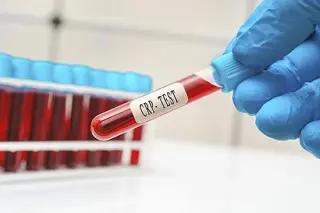
Harvard Health Publishing explains that high-sensitivity C-reactive protein (hsCRP) testing can detect chronic inflammation linked to heart disease, potentially identifying risk in people without traditional factors. Some guidelines (ACC) are moving toward routine hsCRP screening to guide early prevention, including decisions about statin therapy and lifestyle changes. However CRP is non-specific, so results must be interpreted alongside overall risk factors and clinical judgment.

Fresh Guide: Everyday Habits That Undermine Your Longevity, And How to Fix Them
health2 months ago

Fresh Guide: Everyday Habits That Undermine Your Longevity, And How to Fix Them

A health piece lists 10 common daily habits that can shorten lifespan: skipping preventive care, poor social connections, aging-related medication issues, lack of regular exercise, smoking, unhealthy diet, insufficient sleep, unmanaged stress, and inadequate planning for future health and finances. It stresses practical steps like staying up to date with screenings and vaccines, maintaining social ties, regularly reviewing medications, aiming for at least 150 minutes of moderate exercise per week, following a Mediterranean-style diet, getting 7–9 hours of sleep, managing stress, and planning for the later chapters of life.

Seoul Checkups: Black American Women Turn to South Korea for Life-Saving Preventive Care
health2 months ago

Seoul Checkups: Black American Women Turn to South Korea for Life-Saving Preventive Care

Black American women are increasingly flying to Seoul for comprehensive, one-day preventive health exams that offer same-day imaging, broad diagnostic panels, and a patient-centered experience at a lower cost than typical U.S. care. The trips spotlight gaps in U.S. care—delays in diagnosis, bias, and inequities—while yielding findings like fibroids or hypertension and a sense of inclusive, respectful treatment. Although affordable compared with U.S. care and often under $600 per exam, this form of medical tourism remains accessible only to those with means and flexible schedules, with many planning to continue overseas checkups.

Neko Health expands to the US with $700M backing to offer AI-driven body scans
business2 months ago

Neko Health expands to the US with $700M backing to offer AI-driven body scans

Neko Health, Spotify founder Daniel Ek’s body-scanning startup, is raising $700 million to bring AI-driven full-body scans and blood tests to the US, starting in New York this year with rapid expansion planned; eight clinics operate in the UK and Sweden, waitlists are long, and European prices are around £299 or 2,750 SEK; US pricing has not been disclosed. New investors include will.i.am, Maria Sharapova, Mark Zuckerberg and Priscilla Chan, and Thierry Henry, with the round boosting the company’s estimated value to about $7 billion per reports.