
GLP-1 Prescriptions for Children Surge, Raising Concerns Over Long-Term Safety and Eating Disorders
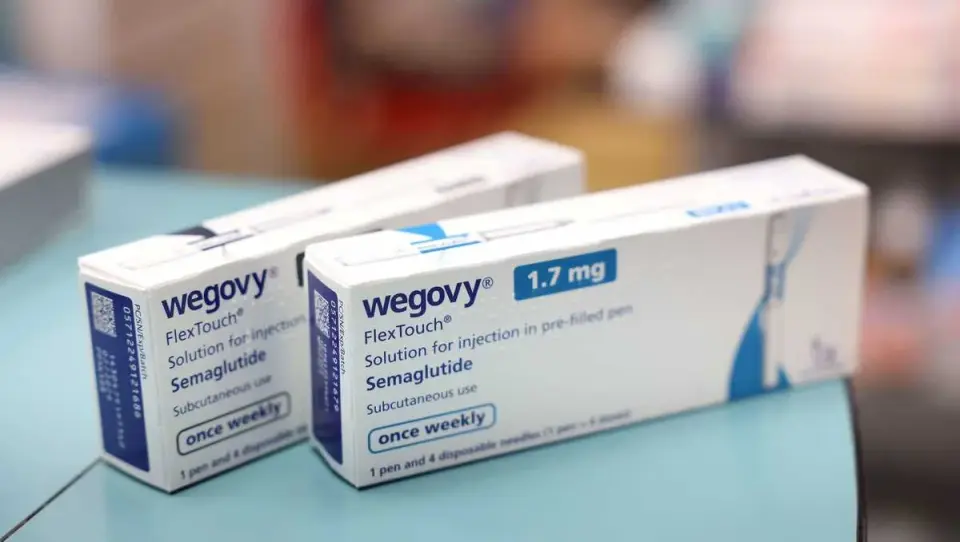
Prescriptions for GLP-1 weight-loss drugs among U.S. children have risen sharply, with a 300% increase in adolescent prescriptions between 2020 and 2023 and a 310-fold rise in prescriptions for 8- to 11-year-olds since 2019. While the American Academy of Pediatrics supports these drugs for severe cases, experts warn that long-term data is lacking, insurance coverage is inconsistent, and risks include nutritional deficiencies and eating disorders.
Key points
- The CDC reported a 300% increase in obesity medication prescriptions for adolescents aged 12-17 between 2020 and 2023, following FDA approvals for Saxenda and Wegovy.
- A study in Pediatrics found that 20,282 children aged 8-11 were prescribed GLP-1s, a 310-fold increase from 2019, often off-label.
- The American Academy of Pediatrics guidelines recommend GLP-1s for children with severe obesity or life-threatening comorbidities, but emphasize intensive lifestyle counseling as the primary treatment.
- A 2026 study found nearly 17% of children aged 10-17 on GLP-1s developed nutritional deficiencies, including vitamin D and iron-deficiency anemia, within one year.
- Experts warn that GLP-1s are long-term treatments, with weight regain common upon cessation, and that they may trigger or worsen eating disorders in vulnerable children.
Background
This development follows a broader trend of GLP-1 adoption among adults, where usage reached 11% in the U.S. by late 2026, prompting earlier discussions about how parents should frame these medications to protect children's body image and prevent disordered eating. The current pediatric surge reflects a shift from adult-focused weight loss to pediatric obesity management, driven by rising childhood obesity rates and limited access to intensive lifestyle counseling.
Why it matters
The rapid expansion of GLP-1 use in children highlights a critical gap in long-term safety data and raises urgent questions about the balance between treating severe obesity and preventing nutritional harm or eating disorders. As prescriptions rise, families and clinicians face difficult decisions about a medication that may be necessary for some but carries risks of malnutrition, insurance denial, and psychological side effects, underscoring the need for robust pediatric research and clearer guidelines.
What to watch
Researchers will continue to study long-term effects of GLP-1s on growth, puberty, and bone health in children, while the American Academy of Pediatrics may update its guidelines based on new evidence. Insurers are likely to refine coverage policies, and pediatricians will face increased pressure to screen for eating disorders and nutritional deficiencies before and during treatment. Public debate may intensify over the ethics of prescribing off-label to children under 12 and the role of lifestyle counseling in obesity management.
Want the full story? Read the original reporting
Read on KOAT