Tag

Nutritional Deficiencies

All articles tagged with #nutritional deficiencies

Surge in Pediatric GLP-1 Prescriptions Raises Safety and Cost Concerns
health1 month ago

Surge in Pediatric GLP-1 Prescriptions Raises Safety and Cost Concerns

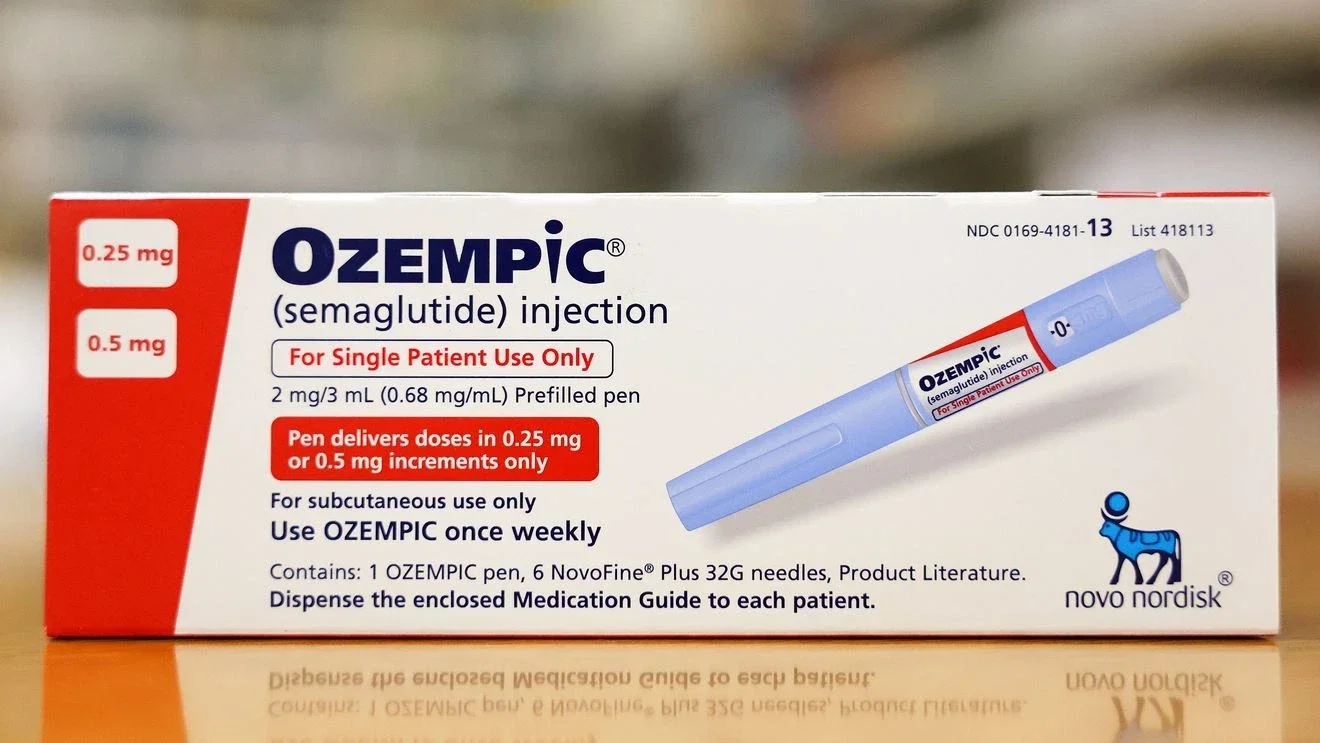
Prescriptions for GLP-1 weight-loss drugs among children under 12 have surged 310 times since 2019, with over 20,000 young patients receiving these medications. While FDA-approved for ages 12 and older, off-label use is common for younger children. Experts warn that long-term safety data is lacking, and nearly 17% of young users developed nutritional deficiencies within a year. Insurance coverage remains inconsistent, and doctors emphasize screening for eating disorders before prescribing.


Rising GLP-1 Prescriptions for Children Raise Safety and Long-Term Concerns
health1 month ago

Rising GLP-1 Prescriptions for Children Raise Safety and Long-Term Concerns

Prescriptions for GLP-1 weight-loss drugs among U.S. children are rising rapidly, with adolescent usage up 300% since 2020 and prescriptions for 8- to 11-year-olds increasing 310-fold since 2019. While the FDA has approved these medications for ages 12 and older, doctors are increasingly prescribing them off-label to younger children. Experts warn that long-term safety data is lacking, and risks include nutritional deficiencies, malnutrition, and the potential triggering of eating disorders. Insurance coverage remains inconsistent, and the medications are generally intended for long-term use, with weight regain common after discontinuation.

GLP-1 Prescriptions for Children Surge, Raising Concerns Over Long-Term Safety and Eating Disorders
health1 month ago

GLP-1 Prescriptions for Children Surge, Raising Concerns Over Long-Term Safety and Eating Disorders

Prescriptions for GLP-1 weight-loss drugs among U.S. children have risen sharply, with a 300% increase in adolescent prescriptions between 2020 and 2023 and a 310-fold rise in prescriptions for 8- to 11-year-olds since 2019. While the American Academy of Pediatrics supports these drugs for severe cases, experts warn that long-term data is lacking, insurance coverage is inconsistent, and risks include nutritional deficiencies and eating disorders.

Rising GLP-1 use in children raises safety and long-term questions
health1 month ago

Rising GLP-1 use in children raises safety and long-term questions

Prescriptions for GLP-1 weight-loss drugs among children are rising rapidly, with a 300% increase in adolescent use between 2020 and 2023. While FDA-approved for ages 12 and older, off-label use in younger children is growing. Experts warn that long-term safety data is limited, and risks include nutritional deficiencies, weight regain after stopping, and potential eating disorders.

GLP-1 Weight-Loss Drugs Spotlight Rare Nutrient Deficiencies
health9 months ago

GLP-1 Weight-Loss Drugs Spotlight Rare Nutrient Deficiencies

Australian researchers warn that while GLP-1 weight-loss meds are effective, many clinical trials don’t track diet or nutrient intake, potentially increasing long-term malnutrition risk. Rare cases of deficiencies—such as scurvy (vitamin C) and iron or B‑vitamin shortages—have been reported, but are uncommon. The authors urge closer dietary monitoring in clinical practice and future trials, since deficiency symptoms can mimic GLP-1 side effects. The takeaway: nutrition management is essential for sustained success, not a reason to stop treatment.

Scientists Explore Vitamins' Role in Fighting Infections
health1 year ago

Scientists Explore Vitamins' Role in Fighting Infections

Vitamins are essential for immune function and can help fight infections, especially in cases of deficiency, but their effectiveness as a preventive measure for infections in healthy individuals is uncertain and mixed. Overuse of supplements can be harmful, and they should complement, not replace, other proven health measures like vaccines and good hygiene.

health2 years ago

"Improving Male Fertility: Antioxidant-Rich Foods and Lifestyle Factors"

Male infertility is a growing concern, with 30-50% of cases attributed to factors like varicocele, smoking, and nutritional deficiencies. Oxidative stress, caused by an imbalance between free radicals and antioxidants, can harm sperm DNA and fertility. Antioxidant-rich foods such as nuts, seeds, turmeric, ginger, green tea, leafy greens, berries, and garlic can help improve sperm quality and protect against oxidative damage, offering natural methods to enhance male fertility.

"40-Day Orange Juice Experiment: Can You Survive on Just OJ?"
health-and-wellness2 years ago

"40-Day Orange Juice Experiment: Can You Survive on Just OJ?"

Anne Osborne from Queensland, Australia, consumed only orange juice for 40 days, citing emotional, physical, and spiritual benefits, but health professionals caution against such restrictive diets due to potential nutritional deficiencies and health risks associated with fruit-only diets, including weight gain, diabetes, and deficiencies in essential nutrients like vitamin B12, vitamin D, calcium, and omega-3 fatty acids. While moderate fruit consumption is beneficial, excessive fruit intake can lead to various health issues.

"The Surprising Vitamin Deficiency Linked to Stunted Hair Growth, According to Dermatologists"
health2 years ago

"The Surprising Vitamin Deficiency Linked to Stunted Hair Growth, According to Dermatologists"

Dermatologists suggest that vitamin deficiencies, particularly in iron, zinc, folate, protein, biotin, and vitamin D, may contribute to hair loss, especially in women. Factors such as restrictive diets, age, medications, autoimmune conditions, and extreme stress can also play a role. To address hair loss, it's important to eat a well-balanced diet and consider supplements only after consulting a doctor. Reversing a vitamin deficiency may lead to thicker, healthier hair, but it can take several months to see results.