
Silent Lung Cancer: Why High-Risk Smokers Need Annual CT Scans
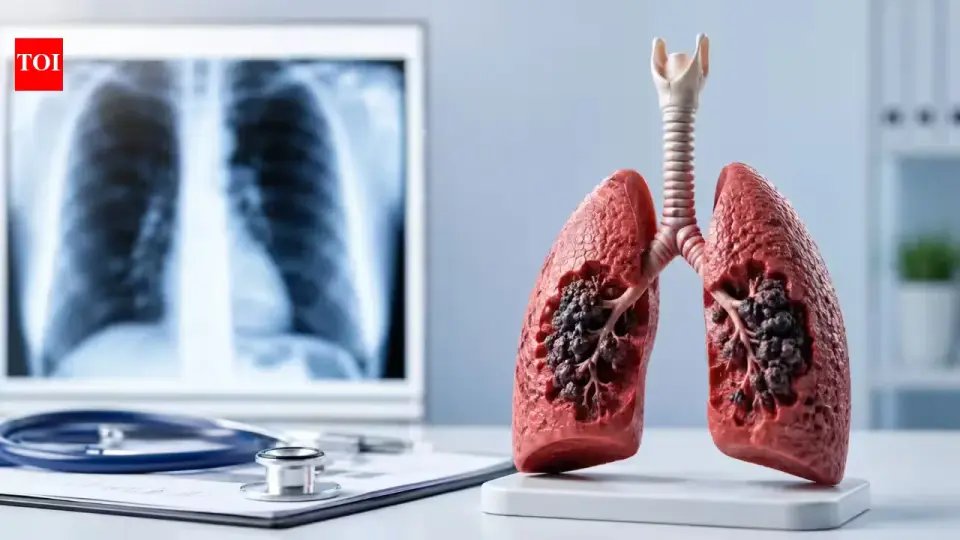
Lung cancer often remains asymptomatic until advanced stages, making early detection critical. Medical experts recommend annual low-dose CT (LDCT) screening for adults aged 50 to 80 with a smoking history of at least 20 pack-years. While LDCT is superior to standard X-rays for spotting early tumors, it is not recommended for non-smokers, who should instead seek evaluation for persistent symptoms like cough or weight loss. Quitting smoking remains the primary preventive measure.
Key points
- Lung cancer can progress silently for years, with symptoms like cough or breathlessness appearing only in later stages.
- The US Preventive Services Task Force recommends annual LDCT for adults aged 50-80 with a 20+ pack-year smoking history.
- LDCT detects small tumors earlier than standard chest X-rays but may lead to false alarms and unnecessary follow-up tests.
- Non-smokers are not currently recommended for routine LDCT screening, despite rising cases linked to pollution and genetics.
- Symptoms such as persistent cough, unexplained weight loss, or chest pain warrant medical evaluation regardless of smoking status.
Background
Recent coverage has highlighted the silent nature of various cancers, including liver and heart disease, where early symptoms are often mistaken for aging or minor ailments. Previous reports also noted that lung cancer is the leading cause of cancer deaths, with non-small cell lung cancer accounting for 80-85% of cases. While genomic profiling aids treatment, early detection through screening remains a key strategy for improving outcomes in high-risk groups.
How outlets are covering it
The Times of India and Hindustan Times align on the importance of LDCT for high-risk smokers, citing experts like Dr. Tejinder Kataria and Dr. Kunal Sharma. However, they differ in emphasis: The Times of India focuses on the specific 20 pack-year threshold and the limitations of screening for non-smokers, while Hindustan Times highlights the broader risk factors for older adults, including pollution and occupational exposure. OncoDaily provides a global perspective, noting barriers to lung cancer screening worldwide, though it lacks specific clinical details compared to the Indian sources. All sources agree that quitting smoking is essential, but The Times of India explicitly warns that screening should not replace cessation efforts.
Why it matters
Early detection through LDCT can significantly improve treatment outcomes for high-risk individuals. However, understanding who qualifies for screening helps avoid unnecessary anxiety and medical procedures. For non-smokers, recognizing persistent symptoms is crucial for timely diagnosis, as lung cancer risk is not exclusive to smokers.
What to watch
Health authorities are likely to continue refining screening guidelines to balance the benefits of early detection with the risks of false positives. Public awareness campaigns may expand to include non-smokers with high-risk factors like pollution exposure. Further research into non-invasive screening methods for non-smokers may emerge as lung cancer incidence in this group rises.
- Lung cancer can stay silent for years: Who should get screened and why early detection matters The Times of India
- Drew Moghanaki: Addressing Global Barriers to Lung Cancer Screening Oncodaily
- Turning 60? Here’s why lung health checks matter and how they can help detect lung cancer earlier Hindustan Times
- The biggest opportunity to improve lung cancer survival isn’t a new drug Yahoo Tech
- Jing Liang: The Challenge of Detecting Lung Cancer Before It Spreads Oncodaily
Want the full story? Read the original reporting
Read on The Times of India