

Tag

Smoking History

All articles tagged with #smoking history

Lung Cancer Screening: Who Qualifies and Why Early Detection Matters
health1 month ago

Lung Cancer Screening: Who Qualifies and Why Early Detection Matters

Lung cancer can stay silent for years, so screening with annual low-dose CT is advised for adults aged 50–80 who have at least 20 pack-years of smoking and either currently smoke or quit within 15 years. LDCT helps detect tiny tumors before symptoms appear, but not all nodules are cancer and screening can cause anxiety or unnecessary tests. Non-smokers may still be at risk due to pollution, occupational exposures, or genetics, so discussing risk with a doctor is important. Quitting smoking remains the best way to reduce risk.

Two-Minute CT Scan Saved a Life After Decades of Smoking
health1 month ago

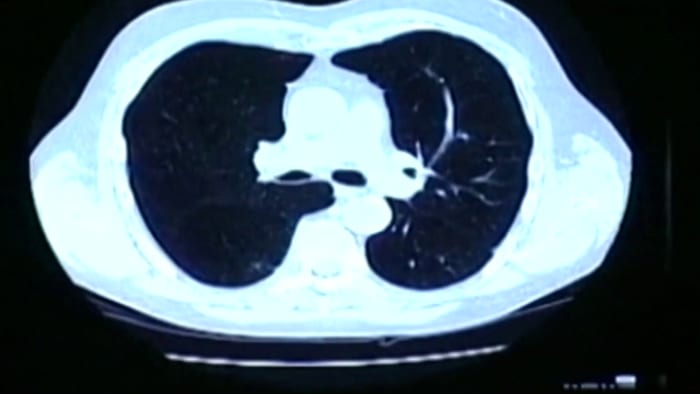
Two-Minute CT Scan Saved a Life After Decades of Smoking

A 75-year-old who quit smoking years earlier learned he had stage 1 lung cancer via a routine Medicare-backed low-dose CT screening, underwent robotic surgery and targeted therapy, and remains cancer-free for now; his case highlights that lung cancer screening can save lives but remains underused due to complex eligibility rules, stigma, and access barriers, prompting calls to broaden guidelines while balancing potential downsides.

Optimizing Lung Cancer Care: Guidelines, Screening, and Lifestyle Tips
health2 years ago

Optimizing Lung Cancer Care: Guidelines, Screening, and Lifestyle Tips

The American Cancer Society has issued new guidelines for lung cancer screening, expanding the criteria beyond just cigarette smokers. The guidelines now recommend that individuals between the ages of 50-80 with a 20-pack-year history or more should receive a yearly low-dose CT scan to screen for lung cancer. This change is estimated to increase the number of eligible individuals by about 5 million and could prevent an additional 21% of lung cancer deaths compared to the current recommendations. However, insurance coverage for these screenings may vary, so it is important to consult with a primary care provider to determine eligibility and coverage.