
Medical Groups Fill CDC Gap as Fall Vaccines Roll Out
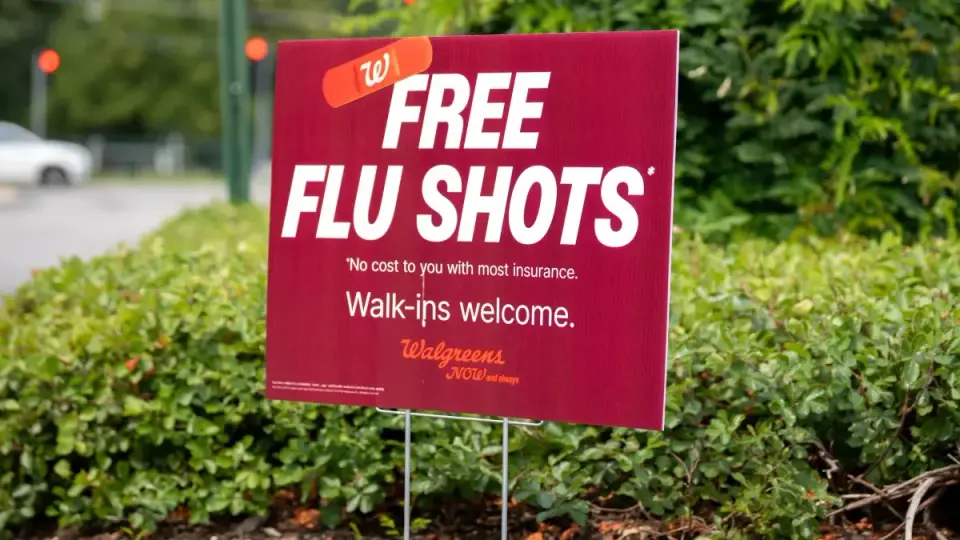
Medical societies issued fall vaccination guidelines after the CDC advisory panel faced legal delays. Experts urge getting flu shots by late October, noting a two-week delay for immunity. New options include an mRNA flu shot for adults 50+ and updated COVID-19 boosters for high-risk groups.
Key points
- The CDC’s advisory panel is in a court battle, preventing updated official guidance; the American Academy of Pediatrics, Family Physicians, Obstetricians and Gynecologists, and Infectious Diseases Society of America have posted interim guidelines.
- Flu vaccination is recommended for everyone aged 6 months and older, with a focus on seniors, pregnant women, and those with chronic conditions like asthma or diabetes.
- A new mRNA flu vaccine, mFlusiva, was approved for adults 50 and older, showing 27% higher efficacy against symptomatic illness in one study compared to standard shots.
- COVID-19 vaccines are formally approved for high-risk groups, but family physicians recommend them for all adults, especially seniors who should receive a second dose six months after the first.
- RSV vaccines are recommended for adults 75 and older, those 50-74 with risk factors, and during late pregnancy to protect infants.
Background
Previous coverage in September highlighted the ideal window for flu shots as September to October, noting that protection takes two weeks to develop. The CDC had not yet released 2026 guidance at that time, but experts expected similar recommendations. A new Moderna mRNA flu vaccine was also noted as potentially available but with limited access.
How outlets are covering it
NBC Connecticut and The Associated Press emphasize the gap in CDC guidance and the role of medical societies in filling it. The Naples Daily News focuses on practical access, listing pharmacies like Publix and Walmart in Florida, and notes increasing flu positivity rates. The Oklahoman highlights the temporary nature of protection, stating the vaccine lasts five to six months, and reiterates the CDC’s recommendation for vaccination by the end of October. The Salt Lake Tribune offers a personal perspective from a physician, stressing the importance of vaccines for marginalized populations and the prevention of severe outcomes, while acknowledging common side effects.
Why it matters
Timely vaccination is critical to reducing hospitalizations and deaths, especially among vulnerable groups. The lack of CDC guidance has led to a fragmented but proactive response from medical societies, ensuring that the public still receives clear, evidence-based recommendations. The introduction of new vaccine options, such as the mRNA flu shot, may improve protection for older adults, while the emphasis on RSV and COVID-19 boosters reflects the ongoing need for comprehensive respiratory protection.
What to watch
The CDC is expected to issue final guidance on COVID-19 vaccines for young children after the advisory committee’s endorsement. Public health officials will continue to monitor flu and COVID-19 cases, which typically rise in late summer and winter. Individuals should prioritize vaccination by late October to ensure protection before the peak of flu season, which usually runs from October to May.
- When should I get the flu shot? What experts say is the ideal time to protect yourself NBC Connecticut
- How to time your flu shot and pick the best option The Seattle Times
- Is it too early for influenza vaccine? Florida flu season starts this week Naples Daily News
- Flu season is starting in Oklahoma. How long do flu shots last? The Oklahoman
- Voices: Cold and flu season is coming. Vaccines keep my patients — and my family — safe. The Salt Lake Tribune
Want the full story? Read the original reporting
Read on NBC Connecticut