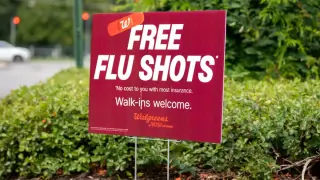
Medical societies issued fall vaccination guidelines after the CDC advisory panel faced legal delays. Experts urge getting flu shots by late October, noting a two-week delay for immunity. New options include an mRNA flu shot for adults 50+ and updated COVID-19 boosters for high-risk groups.
Jacob Elordi leads Ridley Scott's post-apocalyptic The Dog Stars as Hig, a pilot wandering a ruined Colorado in search of meaning while a dog companion keeps him company. The film, adapted from Peter Heller's novel, uses a pandemic-scarred world to explore the human urge for something more, with regrowth offering a glimmer of hope amid scarcity. UK release is August 28; critics are mixed.
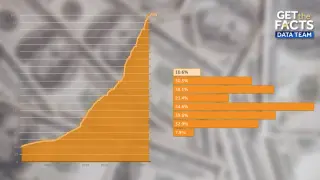
The U.S. national debt has topped $40 trillion, about $116,800 per American, with debt nearly sixfold higher since 2000. Four charts provide context on debt growth by presidency, the ongoing spending-revenue gap, and a visualization linking $1 trillion to median income; the biggest dollar increase occurred under Biden (~$8.45T), and the last federal surplus was in 2001, with COVID-19-era spending driving deficits.
The National News Desk is running a reader poll about whether Anthony Fauci should be prosecuted by the Justice Department, highlighting questions of accountability surrounding COVID-19 policy and related political and constitutional themes.
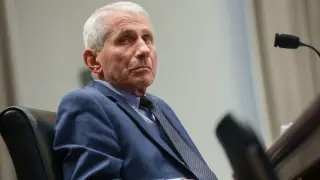
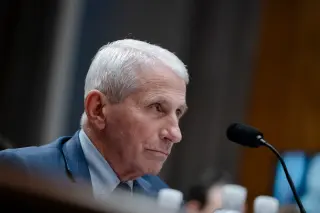
Sen. Ron Johnson said he obtained Anthony Fauci’s phone records from the Trump administration ahead of a planned Senate vote to hold Fauci in contempt for declining to answer Republicans’ questions about the pandemic at a hearing.
Using a $15 artisanal ice cream pint as a lens, the piece argues the post-pandemic economy is bifurcated: inflation and rising living costs push some toward luxury, locally made treats while others tighten budgets, reflecting a K-shaped recovery and a surge in gig-based, small-batch businesses that tap into local communities.
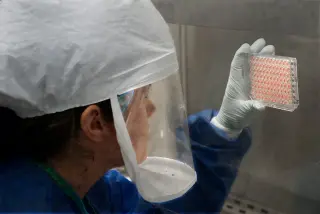
Researchers at the University of Edinburgh built a catalog ranking 239 human-infecting RNA viruses by transmission potential, lethality, and how closely they resemble known human pathogens. About two-thirds are zoonotic, and the highest-risk viruses cluster near highly transmissible human viruses like SARS‑CoV‑2, making a novel measles-related virus especially concerning. AI-driven tools such as SpillOver, CEPI’s VISTA, and the CDC’s influenza risk assessment framework are used to pre-develop vaccines and antivirals for top-ranked families, shifting pandemic preparedness from reactive stockpiling to proactive defense. While the catalog doesn’t predict the next outbreak, it narrows the search and can speed public health responses when a threat emerges.
A Nature feature finds that global trust in science remains moderately high overall (about 3.6/5 across 68 countries), but confidence varies by region and has declined among certain US groups and politically conservative audiences. The COVID-19 era amplified misinformation and skepticism, yet surveys show scientists are among the most trusted professions. Experts warn that politicization and online information noise threaten support for evidence-based policies and health decisions, and call for scientists to acknowledge their biases and engage the public to rebuild trust.
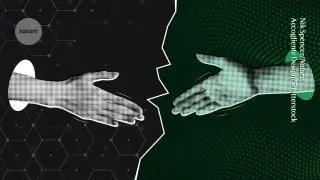
In a joint open letter issued at the G7 Summit, President Lula and WHO Director-General Tedros urge leaders to finalize the WHO Pandemic Agreement’s Pathogen Access and Benefit-Sharing annex by the July session, arguing that political will, equity, and urgency are essential for the treaty to enter into force; they emphasize sovereignty remains intact, warn that delaying would raise avoidable health and economic costs, and note negotiations resume July 6–17 to close remaining gaps and speed access to vaccines and treatments born from shared pathogens.
Christine Taylor says the COVID-19 pandemic saved her marriage to Ben Stiller after they split in 2017; being home with their kids during lockdown gave them time to work on their relationship with therapy, leading to rekindling their romance (Stiller confirmed in 2022) and they are now focused on co-parenting their two children, Ella (24) and Quinlin (20).
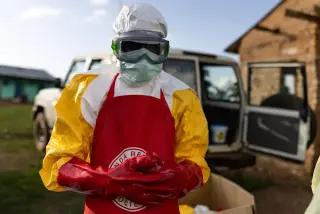
Robert Redfield warned that the Congo- and Uganda-spread Ebola outbreak could become a “very significant pandemic,” with potential spread to Tanzania, southern Sudan, and Rwanda as cases exceed 500 suspected and about 150 deaths. The World Health Organization declared a public health emergency of international concern, while the CDC says U.S. risk remains low but has stepped up screening and traveler monitoring and imposed entry restrictions for travelers from affected areas.
A federal judge sentenced Feeding Our Future founder Aimee Bock to nearly 42 years in prison for orchestrating what prosecutors called the largest pandemic fraud scheme in the U.S., a $250 million operation that exploited federal child nutrition programs via a web of fake distribution sites, kickbacks, and phony lists of children; the case spurred broader fraud prosecutions in Minnesota and highlighted a sprawling network that ensnared dozens of others.
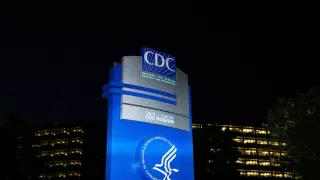
A KOMO News question-of-the-day poll asks readers whether they would have confidence in the CDC to contain another pandemic in the United States, reflecting public trust in health officials amid outbreak concerns.
The piece argues that global readiness for a future pandemic is weaker than during COVID-19, citing reduced funding for public health, staff burnout, gaps in disease surveillance, and insufficient stockpiles, and it calls for sustained, cooperative investment in early warning systems, rapid vaccine development, surge capacity, and stronger international health coordination to prevent a repeat of COVID-era weaknesses.
Despite lessons from COVID-19, the world has not meaningfully improved pandemic preparedness; persistent gaps in surveillance, stockpiles, funding, and international coordination leave nations vulnerable to future outbreaks.