
Navigating Perimenopause: Insights from a Menopause Doctor
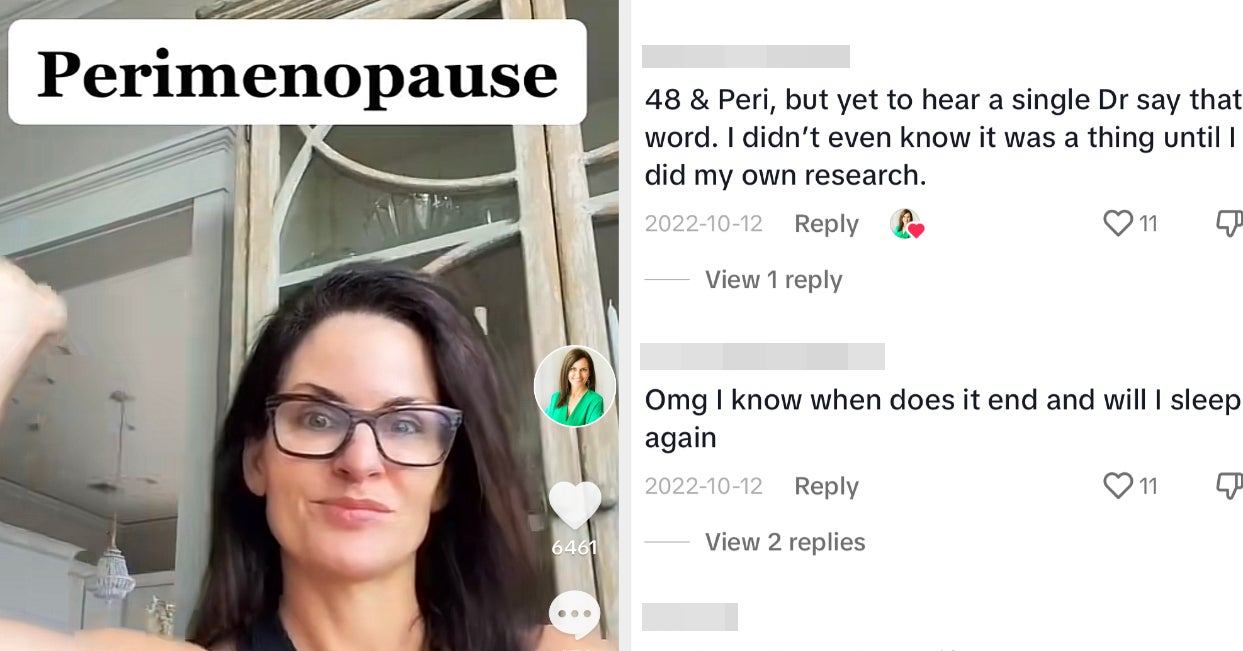
Perimenopause, the period leading up to menopause, can start in a woman's late 30s or early 40s and can last for several years. It is characterized by a decrease in estrogen levels and can bring about a range of symptoms, including hot flashes, sleep disruptions, body composition changes, genitourinary syndrome, and more. However, perimenopause can also lead to other unexpected symptoms such as panic, anxiety, depression, migraines, autoimmune diseases, heart disease, gastrointestinal changes, and musculoskeletal pain. Unfortunately, many doctors are not adequately trained in menopause care, leaving women to struggle and seek unreliable information online. It is important for women to seek proper medical care, explore hormone therapy options, and adopt a proactive approach to nutrition, exercise, and self-care to navigate perimenopause and menopause successfully. More research and medical education are needed to address the needs of women going through this natural transition.
- Perimenopause Can Start In Your 30s, But What Even Is It? BuzzFeed
- If I could go back and do perimenopause again, this is what I'd do differently Irish Examiner
- Oh Good – Turns Out, We Don’t Know Anything About Perimenopause HuffPost UK
- What a menopause doctor wishes she'd known at 30 inews
- View Full Coverage on Google News
Reading Insights
0
11
9 min
vs 10 min read
93%
1,996 → 143 words
Want the full story? Read the original article
Read on BuzzFeed