Charlotte Howard, a 52-year-old horticulturist from West Lavington, Wiltshire, is considering paying up to £9,000 for private breast reduction surgery after being denied NHS coverage. Her breasts grew from a 32B to a 40GG during menopause, causing chronic back pain, skin rashes, and public harassment. The NHS declined to comment on her specific case, stating that such procedures are not routinely commissioned but are assessed individually based on clinical need and resource fairness.
A large Danish study finds that oral menopausal hormone therapy (MHT) increases the risk of blood clots, stroke, and heart attack, with risks varying by dose and duration. Transdermal MHT shows a significantly better safety profile, with no overall increase in thrombotic events except for a specific combined cyclic regimen. The findings suggest that the route of administration is a critical factor in minimizing cardiovascular risks for women using MHT.
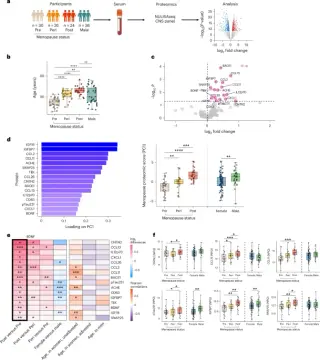
Two major studies published in September 2026 link the timing and biological markers of menopause to long-term brain health. An 18-year longitudinal study of 2,603 women found that earlier natural menopause is associated with faster cognitive decline and increased white matter damage. A separate proteomics study identified 16 blood proteins that spike during menopause, correlating with a 15% higher risk of Alzheimer's disease decades later. These findings suggest menopause is a critical midlife window for identifying dementia risk.
Osteoporosis is a preventable 'silent disease' that often manifests only after a fracture. Experts emphasize that bone health is built early in life and can be maintained through weight-bearing exercise, adequate nutrition (calcium, vitamin D, protein), and early screening. While postmenopausal women face the highest risk due to estrogen loss, men and individuals with specific medical conditions or medications are also vulnerable. Delayed diagnosis and lifestyle factors like smoking and sedentary behavior significantly increase the risk of debilitating fractures, which carry high mortality rates.
A post hoc analysis of two major clinical trials indicates that orforglipron, an oral non-peptide GLP-1 receptor agonist, produces significant weight loss in women with obesity regardless of their menopausal status. Presented at the European Association for the Study of Diabetes (EASD) 2026 in Milan, the findings suggest the drug’s efficacy remains consistent whether patients are premenopausal, perimenopausal, or postmenopausal. In the ATTAIN-1 trial, which excluded patients with diabetes, women lost between 12.81% and 14.38% of their body weight on the 36 mg dose, compared to less than 1.02% on placebo. Similarly, in ATTAIN-2, which included patients with type 2 diabetes, weight loss ranged from 8.88% to 13.62% depending on menopausal stage. Over 80% of women in the non-diabetic trial achieved at least a 5% weight reduction, a figure far higher than the 20-25% seen in the placebo group. The study also noted improvements in waist-to-height ratios across most subgroups. While the results highlight broad applicability for women across different life stages, the analysis was supported by Eli Lilly, the manufacturer of orforglipron, and all authors were company employees.
Recent medical discussions highlight that brain fog is not a single condition but a symptom with diverse biological origins. While hormonal shifts during menopause are a primary driver for midlife women, other factors include neuroinflammation, cellular energy failure, and residual effects from depression. Experts emphasize that subjective cognitive decline often precedes clinical detection, requiring personalized assessments rather than standard testing.
A UCLA neurologist proposes a self-assessment benchmark to help women differentiate between menopause-related cognitive changes and early dementia, emphasizing that subjective decline often precedes clinical detection.
Seven in ten American women will experience osteopenia or osteoporosis in their lifetime, yet many delay diagnosis until after a fracture. Dr. Jocelyn Wittstein of Duke University advises women to request DEXA scans around age 50, during the menopause transition, rather than waiting until 65. Early detection is critical because bone density loss accelerates sharply in the two years preceding menopause, potentially resulting in a 10% loss. While no standalone cure exists, proactive measures including strength training, specific micronutrient intake, and potentially hormone therapy can slow progression. Wittstein emphasizes that estrogen inhibits bone breakdown, making its decline a primary driver of bone weakness. Women are encouraged to view bone health as a lifelong priority, starting with early screening and lifestyle adjustments to prevent fractures and maintain mobility.
A new study in Nature Medicine identifies specific blood protein changes during menopause that correlate with brain aging and dementia risk. Researchers found that hormonal shifts, rather than chronological age, drive these biological changes, which involve inflammatory and synaptic processes. While a separate study suggests menopause may temporarily pause age-related brain shrinkage, this proteomic evidence highlights a midlife window for potential interventions to protect long-term cognitive health.
Penn Medicine researchers describe perimenopause as a distinct transitional phase with symptoms like mood changes, sleep disruption, and brain fog, highlighting evolving treatment views as estrogen therapy regains attention after FDA changes, while noting prescribing variation by specialty and insurance disparities. The work also aims to uncover brain mechanisms and markers to predict who benefits from hormone therapy and other treatments, emphasizing early consultation with specialists for personalized care.
A growing number of menopausal women are turning to online-sold experimental peptides marketed as ‘research use only,’ often without medical oversight. Some report relief from symptoms like hot flashes, pain, and fatigue, but experts warn of scams, dosing mistakes, dangerous reactions, and mislabeled products, highlighting a widening gap between promising anecdotes and FDA-approved therapies.
A USA TODAY investigation shows vaginal estrogen—a safe, inexpensive treatment to prevent recurrent urinary tract infections in menopausal women—can substantially lower hospitalizations, sepsis, and death, yet its use remains around 10% among Medicare patients due to decades of FDA warnings, training gaps, and cost barriers, contributing to preventable suffering and deaths like Roselin Shankland’s.
A large, multi-year MRI study tracking more than 1,000 women through puberty, pregnancy and menopause found that the onset of menopause temporarily slows the typical age-related loss of cortical gray matter, in contrast to accelerated loss during puberty and pregnancy. The pattern suggests menopause involves brain plasticity influenced by hormonal changes, but causation remains unproven and links to estrogen hormones are not yet clear; findings are reported in Nature Communications (2026).
There is no FDA-approved testosterone product for women, so clinicians rely on off-label or compounded regimens to treat menopausal symptoms such as low sexual desire, leading to dosing, safety, and insurance challenges; an FDA workshop is reviewing evidence gaps and safety to determine whether standardized access and guidelines are feasible, spurred by patient and clinician advocacy.
Off-label testosterone is increasingly prescribed for menopausal women, but there is no FDA-approved product for women, leading to pharmacy delays/denials, higher costs, and dosing hurdles. Clinicians say evidence of benefit beyond hypoactive sexual desire disorder is limited, while the FDA plans a workshop to review safety and efficacy.