
New Data Links Rising Refusal of Newborn Vitamin K Shots to 347% Surge in Infant Bleeding
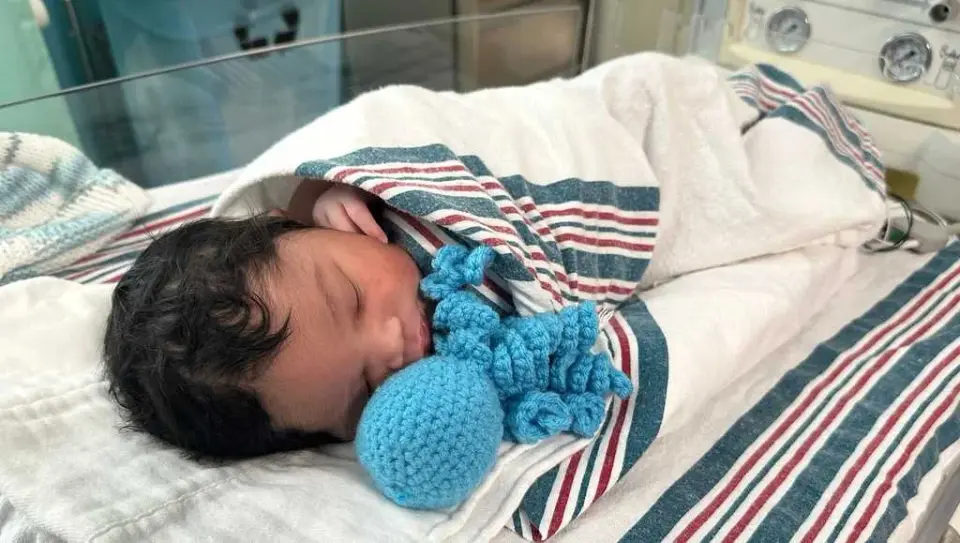
Two studies published in November 2026 reveal a sharp rise in vitamin K deficiency bleeding among U.S. infants, correlating with increased parental refusal of the standard post-birth injection. Data from 2017 to 2025 shows that while the rate of shot administration dropped from 97.7% to 95%, cases of vitamin K deficiency bleeding increased by 347.1%. Experts attribute the trend to misinformation and growing medical mistrust, emphasizing that the injection is a safe, non-vaccine preventive measure that has been standard since the 1960s.
Key points
- Two studies published in the Journal of the American Medical Association on Nov. 5, 2026, analyzed medical records of over 11 million U.S. infants born between 2017 and 2025.
- The primary study found that the percentage of babies receiving the vitamin K shot decreased from 97.7% to 95% during the study period.
- Concurrently, cases of vitamin K deficiency bleeding (VKDB) increased by 347.1%, rising from 24 per 100,000 to 107 per 100,000 infants.
- Rates of vitamin K deficiency without active bleeding also rose by 215.7%, indicating a growing population of at-risk infants.
- Approximately 80% of infants who developed VKDB had not received the shot, and some cases resulted in brain bleeds.
- The American Academy of Pediatrics has recommended the intramuscular injection since the 1960s, noting it is safe and effective for preventing fatal internal bleeding.
Background
Previous coverage in our archive from November 2026 highlighted similar findings, noting a 347% increase in bleeding cases since 2017. Earlier reports emphasized that the refusal rate had doubled, coinciding with the surge in bleeding incidents. The current data confirms these trends with specific statistical breakdowns from large-scale cohort studies.
How outlets are covering it
WDSU and PolitiFact highlight the statistical correlation between declining shot uptake and rising bleeding rates, citing Dr. Elizabeth R. Wolf’s surprise at the magnitude of the increase. KELOLAND focuses on the role of misinformation, with Dr. Lauritz Meyer and pharmacist Amanda Hurst noting that online sources and social media contribute to parental hesitation, while clarifying that oral vitamin K is less effective than the injection. CBS News Pittsburgh adds a local perspective, with Dr. William McCarran noting that some parents mistakenly confuse the vitamin K shot with a vaccine, despite it being a naturally occurring substance. All sources agree that the injection is safe and that refusal rates are driven by misinformation and medical mistrust.
Why it matters
The rise in vitamin K deficiency bleeding poses a direct risk of permanent disability or death for newborns. As refusal rates increase, the population of vulnerable infants grows, leading to preventable hospitalizations. The data underscores the importance of accurate medical information and the effectiveness of the standard injection in preventing life-threatening complications.
What to watch
Healthcare providers are urging parents to consult their doctors regarding the vitamin K shot and to verify information from credible sources. The American Academy of Pediatrics and CDC continue to recommend the injection within the first six hours of life for babies weighing at least 3.3 pounds. Further research may explore the impact of oral vitamin K alternatives, but current evidence supports the injection as the most effective preventive measure.
- As more parents refuse vitamin K shots, bleeding in infants has risen, new data shows WDSU
- A newborn’s need for vitamin K injection KELOLAND.com
- Pittsburgh doctor raises alarm about parents refusing vitamin K shots, leading to increased infant bleeding CBS News
- WOMEN'S HEALTH: Newborn care at birth YourGV.com
- Angela Answers: More parents opting out of Vitamin K shots Fox 59
Want the full story? Read the original reporting
Read on WDSU