Sadie Robertson revealed she had to perform CPR on her 8‑month‑old daughter Kit after she began choking on a snack and stopped breathing; Kit recovered after the CPR and the family spent a night in hospital for observation, with Robertson crediting her CPR knowledge, preparation, and faith for helping her stay calm and save her daughter's life.
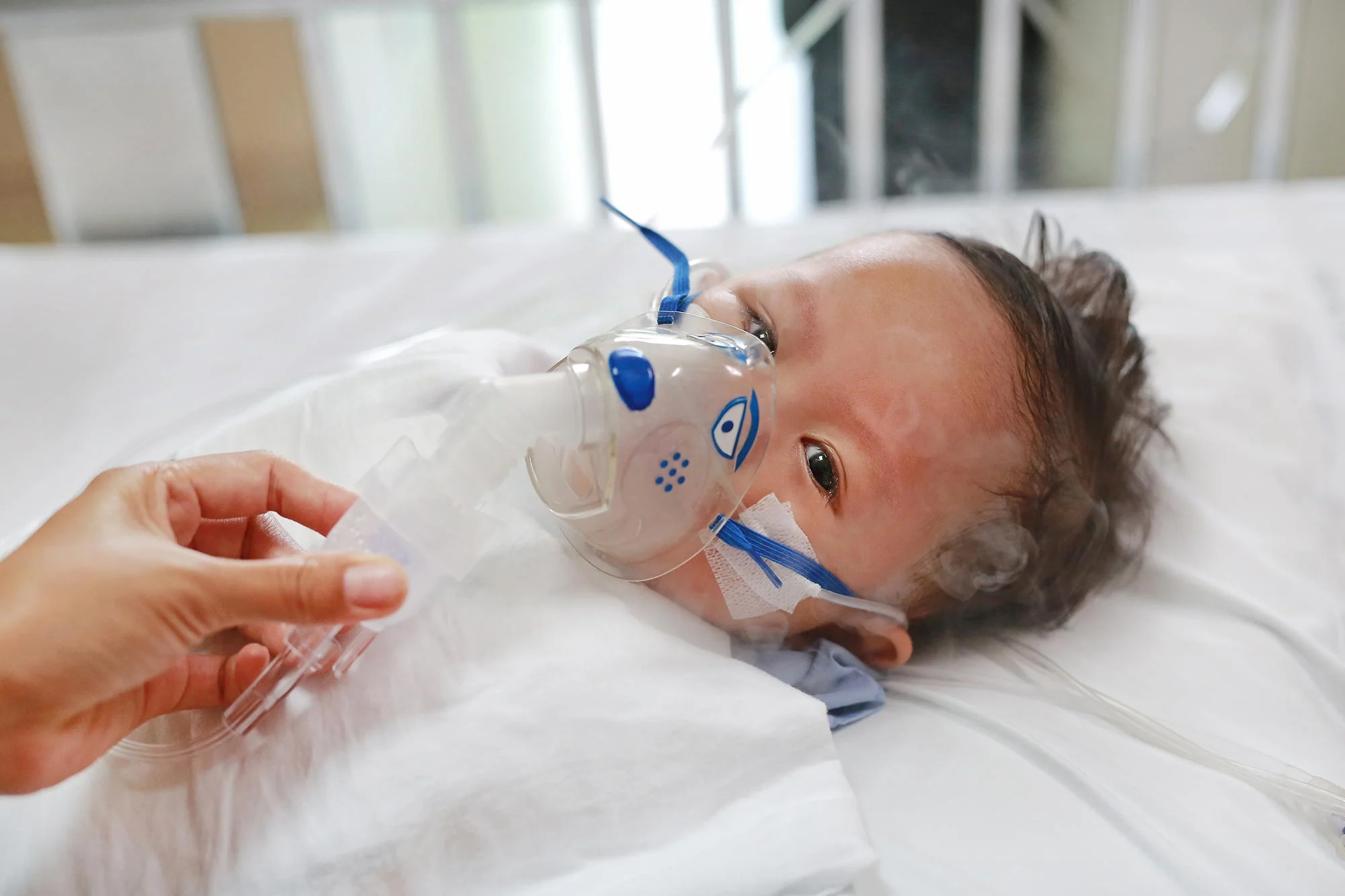
Maia Knight posted a TikTok update about her 8‑month‑old son, who tested positive for Influenza A in late 2025 and has since battled lingering symptoms, including vomiting when solids were reintroduced and a possible RSV; a trip during which he had trouble breathing led to a 911 call, and doctors have ruled out pyloric stenosis while suggesting the GI issues may be virus‑related. She admits ongoing anxiety but remains hopeful as she tries to figure out what’s going on.
A global atlas of gut bacteria shows that B. infantis, a microbe important for digesting foods and training the immune system, is largely absent in Western babies—about 98.6% lack it in the first two months in Europe and the US, versus ~29% in South Asia and Africa. The absence persists in many Western infants and could hinder immune development, potentially helping explain rising allergies and autoimmune diseases. Researchers suggest lifestyle factors such as antibiotic use, dietary shifts, reduced environmental exposure, and shorter or less exclusive breastfeeding may limit transfer of B. infantis from mother to child. The finding also questions the suitability of some commercial probiotic products, as they may not reflect regional strains, underscoring a need for tailored probiotic strategies and further study of microbiome-health links.
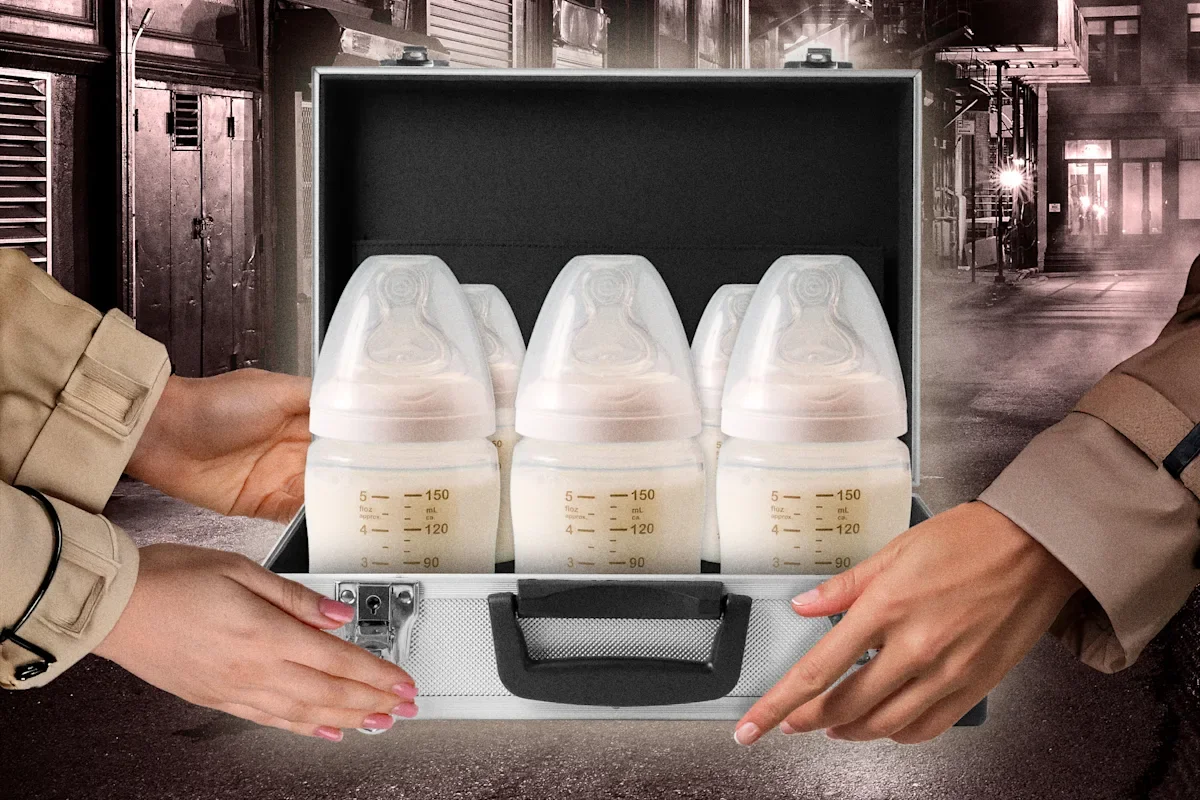
Breast milk sharing has risen, with milk banks offering screened, pasteurized donor milk for babies who can’t receive milk from their own mothers. While donor milk can provide key immune and nutritional benefits, informal sharing (including online sales) carries risks of contamination and quality issues. Medical experts say fresh milk from the mother remains the best option; when that's not possible, the safest route is through a vetted milk bank, with frozen pasteurized milk as a solid alternative. Storage notes indicate frozen milk stays usable for several months, but the mother–infant nursing dyad remains the ideal pairing.
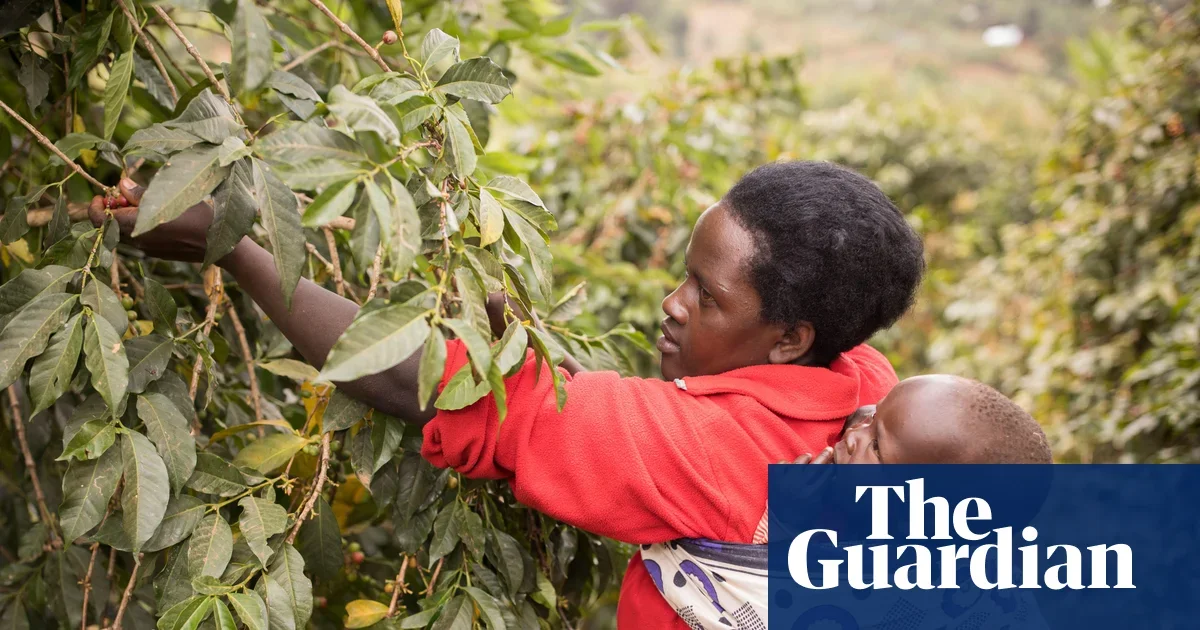
A six-month trial in western Uganda found that babies carried in permethrin-treated wraps had about a two-thirds reduction in malaria cases (0.73 vs 2.14 per 100 babies per week) compared with untreated wraps; safety signals showed a slightly higher rash rate but no withdrawals, and researchers see potential for local production and broader testing before rollout.
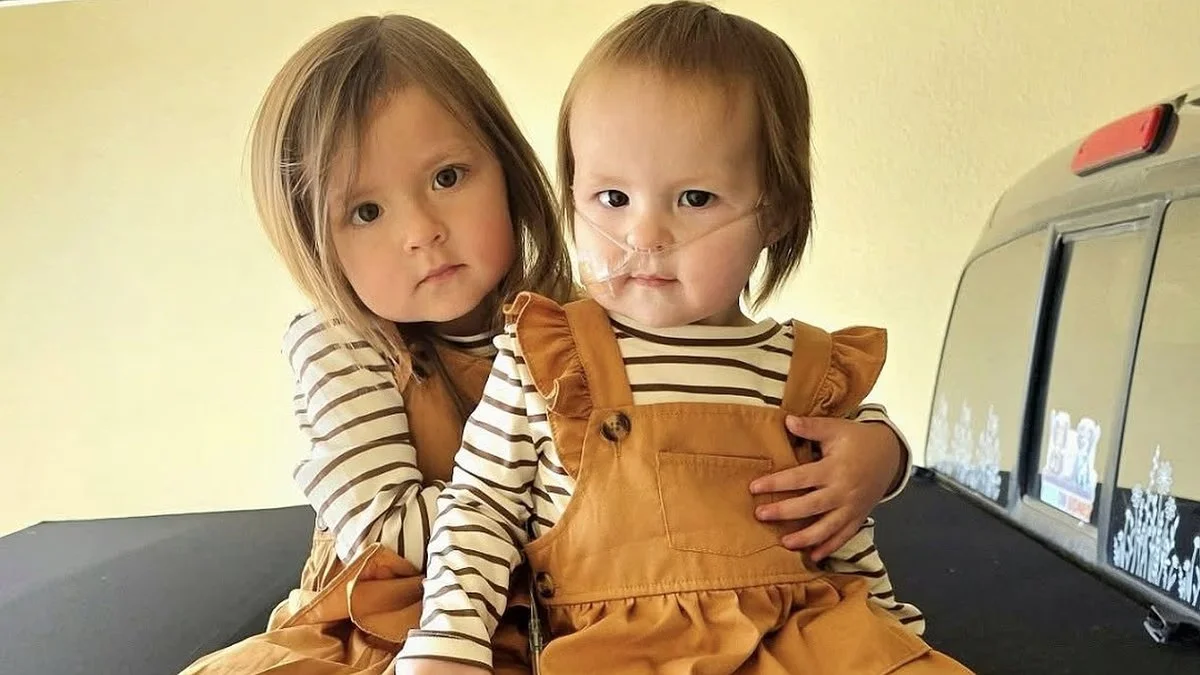
A Colorado mother rushed her four-month-old daughter Hazel to the hospital after her three-year-old accidentally dropped her. Initial tests showed Hazel had extremely low oxygen levels, later attributed to a perinatal stroke caused by a placental blood clot. An MRI in May 2025 confirmed the stroke, which left Hazel with developmental delays and ongoing therapies. The mother credits Harper's frightening accident with saving Hazel's life and is now urging more thorough prenatal screening and prompt medical care for warning signs to prevent such outcomes.
Feeding blueberries to babies as a first solid food may enhance immunity, reduce allergy symptoms, and promote healthy gut development, according to a clinical trial by the University of Colorado, suggesting blueberries are a safe and beneficial superfood for infant health.
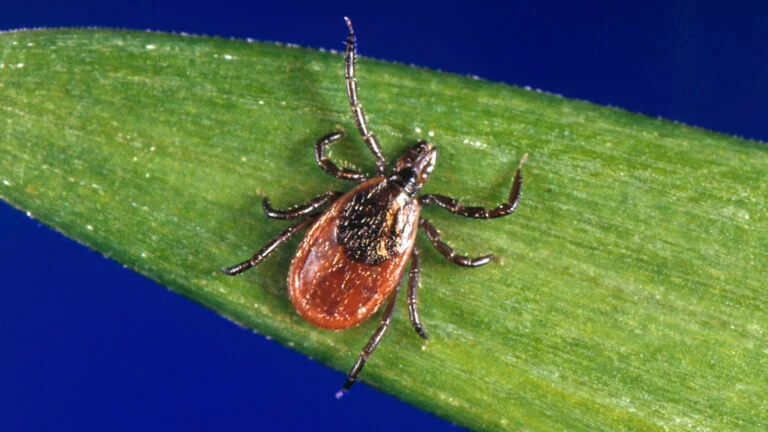
A 1-month-old infant on Martha’s Vineyard contracted a rare but serious tick-borne Powassan virus, which can cause severe neurological diseases. The virus, transmitted by deer ticks, is increasingly detected in the area, with a small percentage of ticks infected. The infant suffered brain damage from meningitis and encephalitis caused by the virus, highlighting the rising risk of tick-borne illnesses during the season.
A UK study shows that vaccinating pregnant women against RSV results in a 72% decrease in severe RSV hospitalizations in infants by transferring protective antibodies through the placenta, highlighting the importance of increasing vaccination rates among expectant mothers to protect newborns during the winter season.
A study finds that a significant percentage of U.S. infants lack the beneficial gut bacteria Bifidobacterium, which is linked to a higher risk of allergies and other chronic diseases, highlighting the importance of early microbiome health for long-term well-being.
Researchers at Rutgers Health propose that caffeine could help prevent Sudden Unexpected Infant Death (SUID) by reducing oxygen drops in infants, offering a new potential biological pathway for prevention, though further research is needed before any recommendations.
UK scientists found that early colonization of beneficial bacteria like Bifidobacterium longum in newborns can significantly reduce the risk of hospitalizations due to lung infections, highlighting the importance of microbiome development in immune system maturation and potential probiotic therapies.
A new antibody-based drug, nirsevimab, has shown to be 93% effective in preventing hospitalization and 89% effective in reducing doctor visits for RSV in infants, according to a study published in JAMA Pediatrics. Approved in 2023, nirsevimab provides lab-made antibodies to block RSV, offering a significant public health benefit if widely used. Despite its effectiveness, uptake has been low due to supply issues and timing of availability. The drug is recommended for infants under 8 months old, especially if their mothers haven't received the maternal RSV vaccine.
A Yale study using MRI data from over 600 infants demonstrates that brain age models can track healthy infant development and reveal environmental influences, such as maternal age, on brain maturation. These models predict brain age and identify gaps between predicted and actual ages, indicating developmental speed. While advanced brain development correlates with better cognitive abilities, it may impair emotional regulation, suggesting that following normative developmental trajectories is ideal.
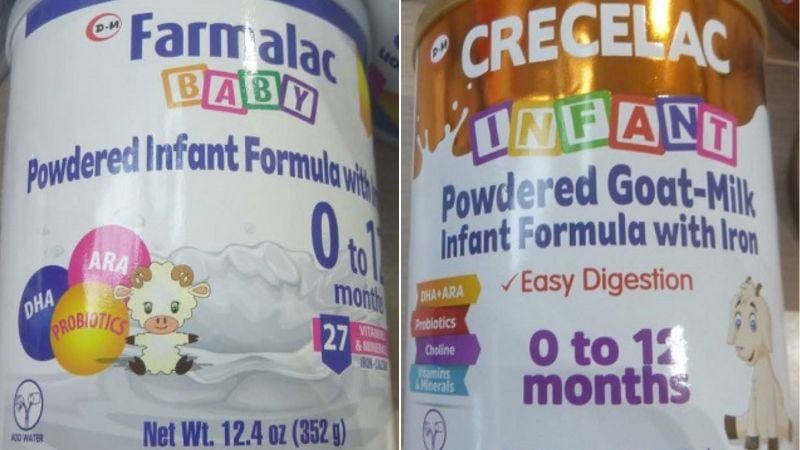
The FDA has issued a warning about certain baby formulas from Dairy Manufacturers Inc. that may be contaminated with Cronobacter bacteria, which can cause serious infections in infants. The recall includes Crecelac and Farmalac infant formulas sold in Texas and possibly other locations. No illnesses have been reported, but parents are advised not to use these products and to seek alternatives.