
NHS Pilots Genomic Test Cutting Brain Tumour Diagnosis to Two Hours
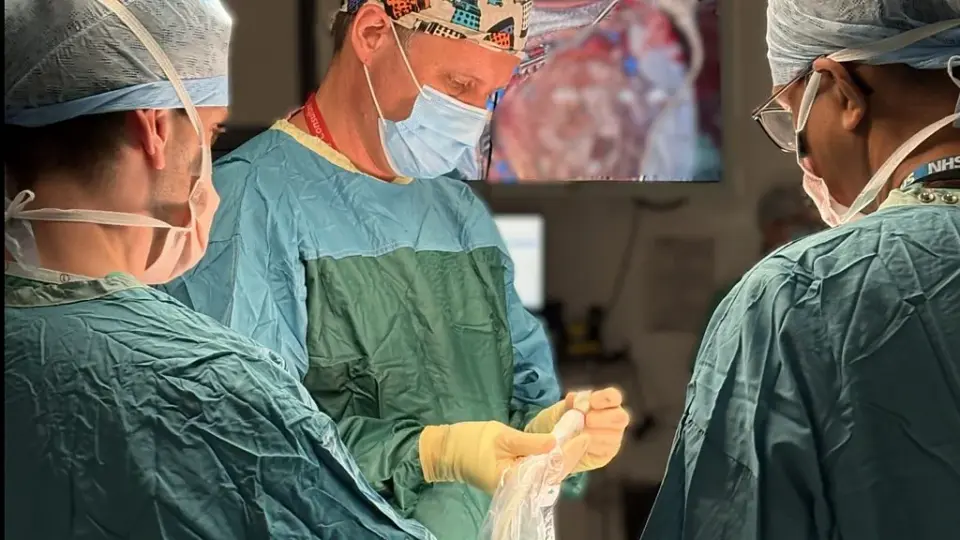
The NHS is piloting a rapid genomic test that reduces brain tumour diagnosis times from up to eight weeks to two hours, allowing surgeons to make decisions during operations. Developed by the University of Nottingham, the test uses Oxford Nanopore technology to analyze DNA samples in a shoebox-sized machine. It is currently being tested in five specialist centres across England, with plans for wider rollout.
Key points
- The new test cuts diagnosis time from up to eight weeks to two hours, enabling treatment decisions during surgery.
- Developed by the Brain Tumour Research Centre of Excellence at the University of Nottingham, the test uses a shoebox-sized Oxford Nanopore sequencing machine.
- NHS England is piloting the tool in five specialist centres: Nottingham, Birmingham, Great Ormond Street, King's College, and Newcastle.
- Future expansion is planned for sites in Bristol, Oxford, Leeds, and Manchester.
- The test allows for earlier access to clinical trials and treatment, reducing patient uncertainty.
Background
Primary brain tumours are the leading cancer killer for children and adults under 40 in the UK, with around 13,000 diagnosed annually. The standard diagnostic process involves MRI/CT scans and biopsies, often taking weeks for a definitive result. This development builds on earlier genomic projects in Nottingham and Birmingham, aiming to make rapid testing part of routine NHS care.
How outlets are covering it
The Guardian emphasizes the test's potential to 'completely transform' diagnosis and secure early treatment for patients with aggressive tumours. Medscape highlights the technical details, noting the sequencing takes about 20 minutes with results in under two hours, and frames it as a 'world-first' pilot. BBC focuses on the practical benefit of sparing patients weeks of uncertainty and enabling earlier treatment start. All sources agree on the two-hour timeframe and the five-centre pilot, but differ in emphasis: The Guardian on the 'gamechanging' nature, Medscape on the technical process, and BBC on the patient experience.
Why it matters
Faster diagnosis can save lives by enabling earlier treatment and clinical trial access. It reduces patient anxiety and allows surgeons to make informed decisions during operations, potentially improving outcomes for a difficult-to-diagnose cancer type.
What to watch
NHS England will evaluate the pilot in the five specialist centres before rolling out the test to Bristol, Oxford, Leeds, and Manchester. The goal is to integrate rapid genomic testing into routine NHS care for all patients.
- Global News Podcast | Rapid new test transforms brain tumour diagnosis BBC
- From weeks to hours - the rapid new test transforming brain tumour diagnosis BBC
- ‘Gamechanging’ brain tumour test reduces diagnosis from eight weeks to two hours The Guardian
- New brain tumor test could transform diagnosis and treatment Medical Xpress
- NHS Pilots Rapid Genomic Test for Brain Tumours Medscape
Want the full story? Read the original reporting
Read on BBC