Tag

University Of Nottingham

All articles tagged with #university of nottingham

NHS Pilots Genomic Test Cutting Brain Tumour Diagnosis to Two Hours
health17 days ago

NHS Pilots Genomic Test Cutting Brain Tumour Diagnosis to Two Hours

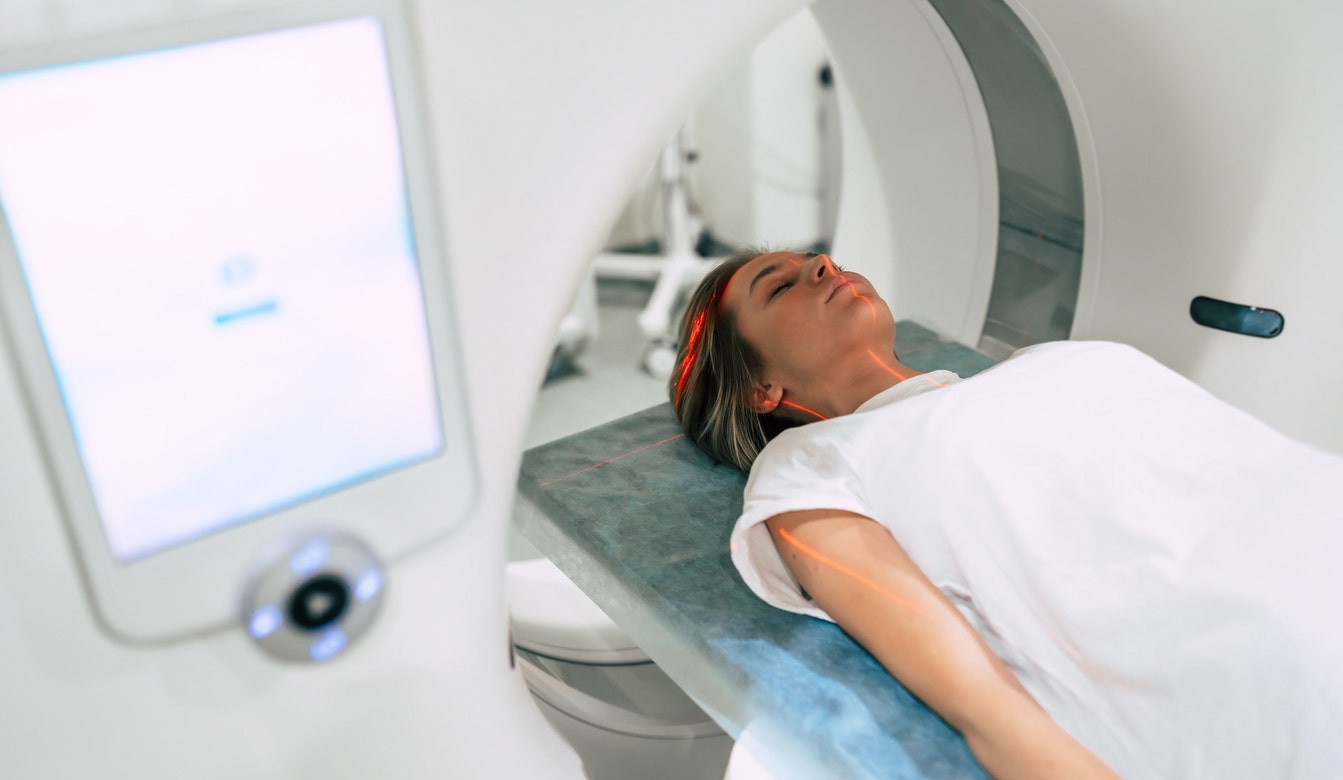
The NHS is piloting a rapid genomic test that reduces brain tumour diagnosis times from up to eight weeks to two hours, allowing surgeons to make decisions during operations. Developed by the University of Nottingham, the test uses Oxford Nanopore technology to analyze DNA samples in a shoebox-sized machine. It is currently being tested in five specialist centres across England, with plans for wider rollout.


NHS Pilot Launches Two-Hour Brain Tumour Genomic Test Across Six UK Centres
health18 days ago

NHS Pilot Launches Two-Hour Brain Tumour Genomic Test Across Six UK Centres

The NHS has launched a two-year pilot for a rapid genomic test that classifies brain tumours in two hours, reducing the standard diagnostic wait from up to eight weeks. Developed by the University of Nottingham, the technology uses Oxford Nanopore sequencing to provide surgeons with critical genetic data during operations, potentially accelerating treatment and clinical trial access for the 12,000 UK patients diagnosed annually.

NHS Pilot Cuts Brain Tumour Diagnosis Time to Two Hours
health18 days ago

NHS Pilot Cuts Brain Tumour Diagnosis Time to Two Hours

A new genomic test is cutting brain tumour diagnosis times from up to eight weeks to two hours. The NHS is piloting the technology at five specialist centres in England, allowing surgeons to make critical decisions during operations. Developed by the University of Nottingham, the test uses Oxford Nanopore sequencing to analyse tumour DNA rapidly, potentially accelerating treatment and clinical trial access for the 12,000 UK patients diagnosed annually.

Revolutionary Magnetism Class Paves Way for Advanced Digital Memory
science-and-technology1 year ago

Revolutionary Magnetism Class Paves Way for Advanced Digital Memory

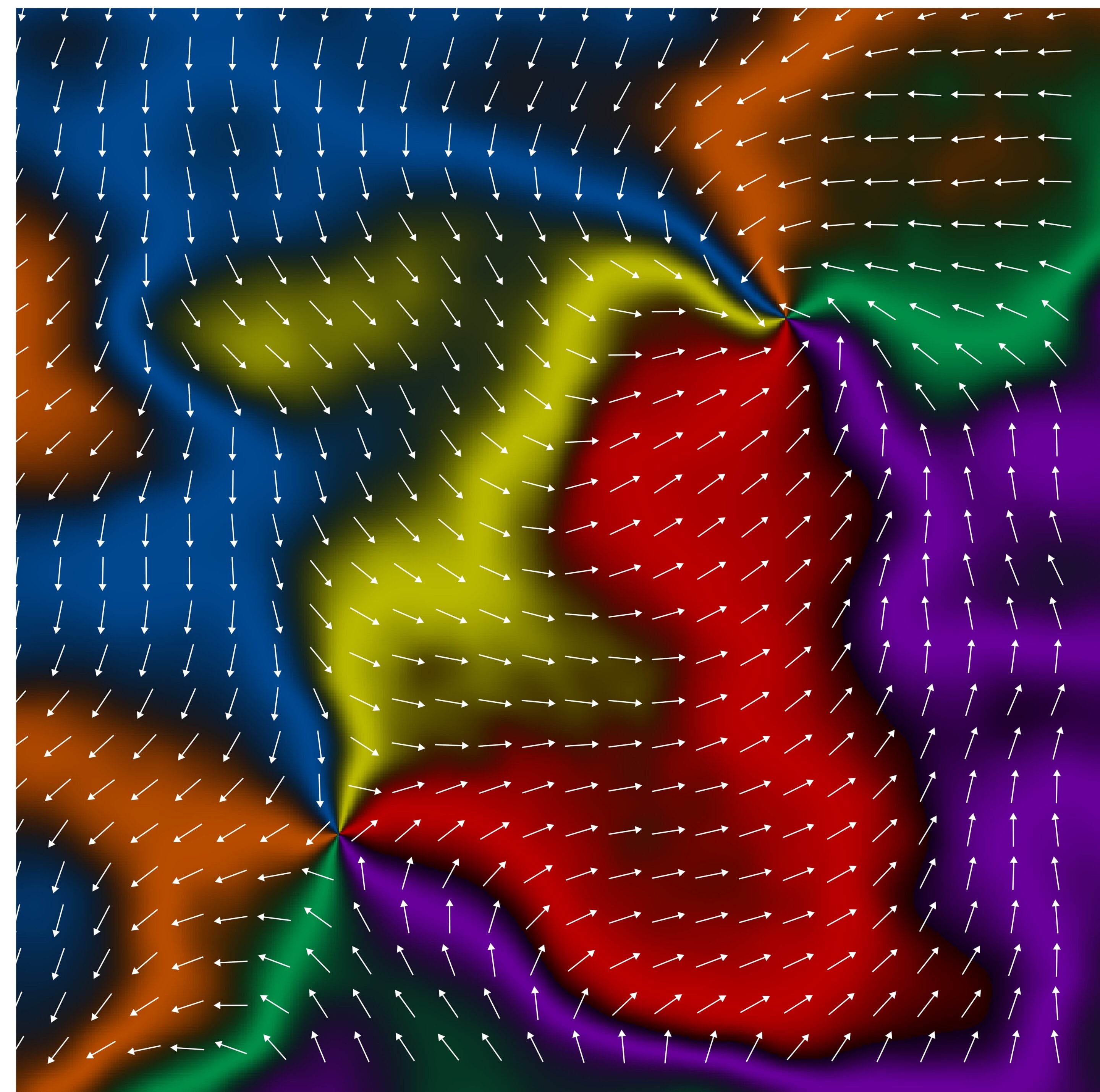
Researchers at the University of Nottingham have imaged a new class of magnetism called altermagnetism, which could revolutionize digital memory by significantly increasing operation speeds and efficiency. Altermagnets combine properties of ferromagnets and antiferromagnets, potentially reducing reliance on rare elements and lowering carbon emissions. The study, published in Nature, demonstrates the practical application of altermagnetic materials, offering a promising path for future technological advancements.

Experts Warn: Common Medications Linked to Higher Dementia Risk
health1 year ago

Experts Warn: Common Medications Linked to Higher Dementia Risk

A study by the University of Nottingham warns that long-term use of certain anticholinergic drugs, commonly prescribed for conditions like bladder issues and Parkinson's disease, may increase the risk of dementia by nearly 50% in patients over 55. The research, supported by the National Institute for Health Research, highlights the need for caution in prescribing these medications, particularly to middle-aged and elderly individuals. While the study emphasizes the potential risks, it also advises against abruptly stopping these drugs without consulting a healthcare provider.

"Transforming Metal Waste into Hydrogen Catalyst: A Sustainable Solution"
science-and-technology2 years ago

"Transforming Metal Waste into Hydrogen Catalyst: A Sustainable Solution"

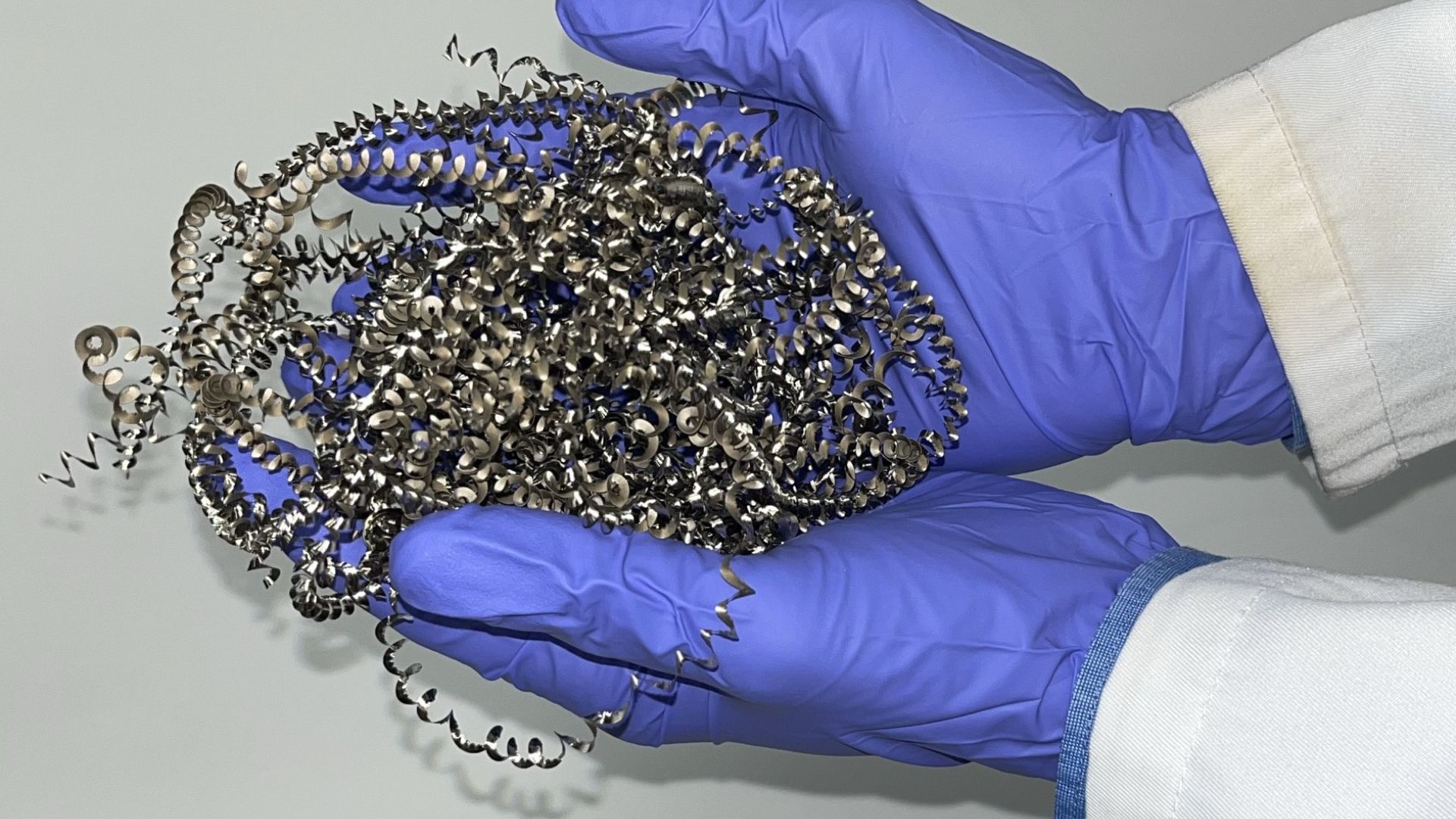
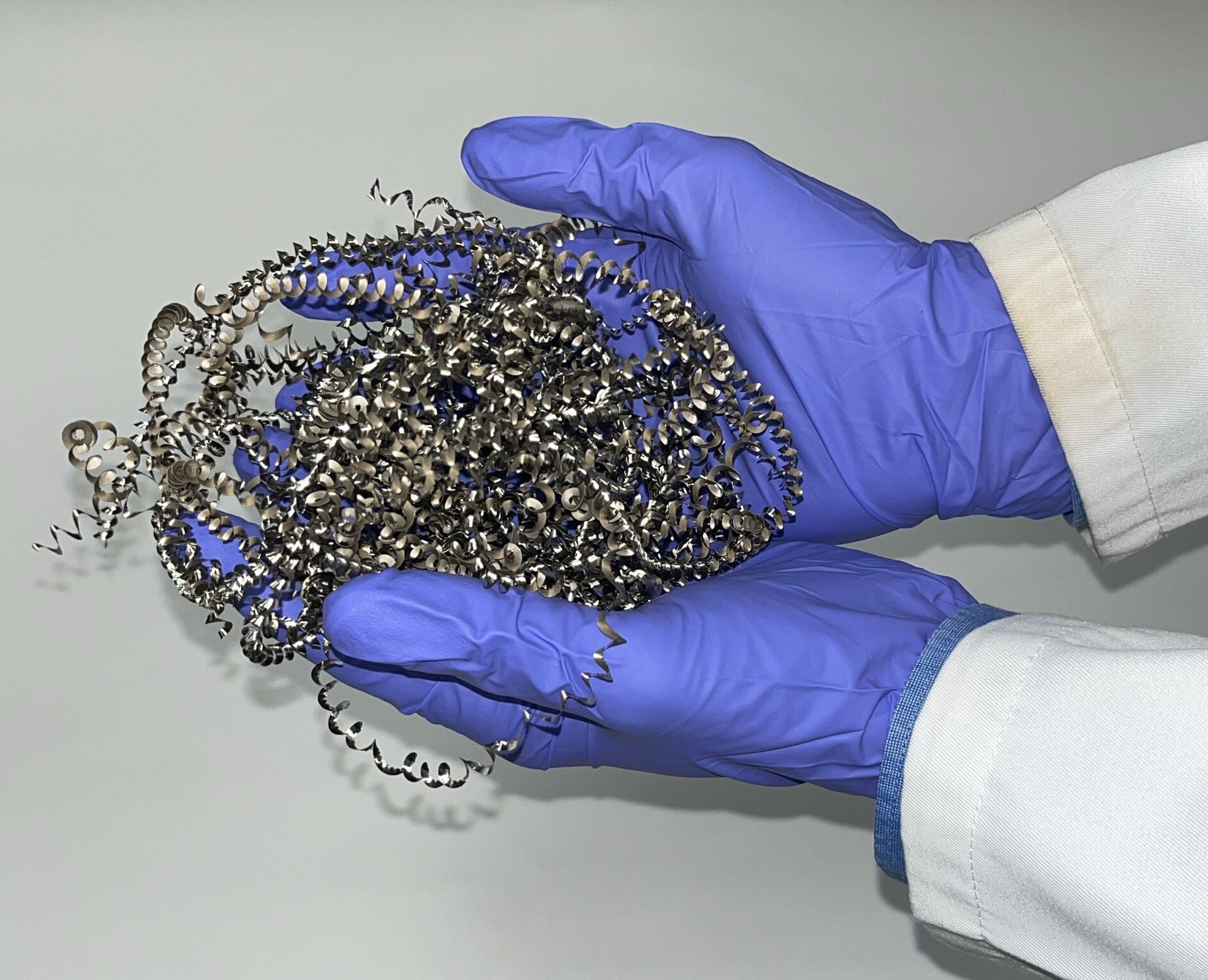
Researchers at the University of Nottingham have discovered a way to repurpose metal waste, specifically swarf from the metal machining industry, into a highly efficient catalyst for producing hydrogen from water. By utilizing the nanoscale textures on the surface of swarf, the team was able to anchor platinum or cobalt atoms, creating an effective electrocatalyst for water splitting. This breakthrough could lead to more sustainable hydrogen production, addressing the challenge of limited and expensive precious metals typically used in the process.

"Revolutionary Research Unlocks CO₂ Conversion into Sustainable Fuel"
science-and-technology2 years ago

"Revolutionary Research Unlocks CO₂ Conversion into Sustainable Fuel"

Researchers have developed a material consisting of copper anchored on nanocrystalline carbon nitride, which, when exposed to sunlight, can efficiently convert CO2 into methanol, a green fuel. This breakthrough paves the way for creating sustainable fuels and reducing the impact of carbon dioxide, the primary contributor to global warming. The new catalyst, made of abundant elements like carbon, nitrogen, and copper, demonstrates high efficiency and selectivity, offering a promising pathway for the development of highly tunable catalysts at the nanoscale for CO2 conversion.

"Researchers Uncover Method to Transform Blue Cheese into Pink Delicacy"
food-science2 years ago

"Researchers Uncover Method to Transform Blue Cheese into Pink Delicacy"

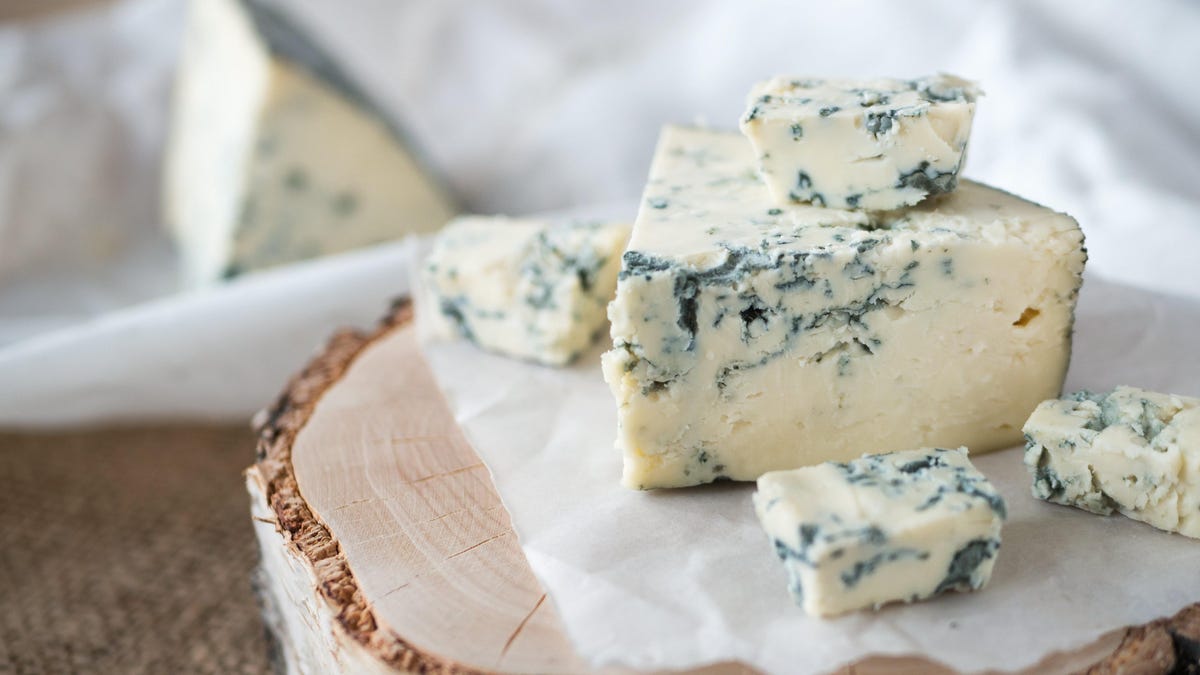
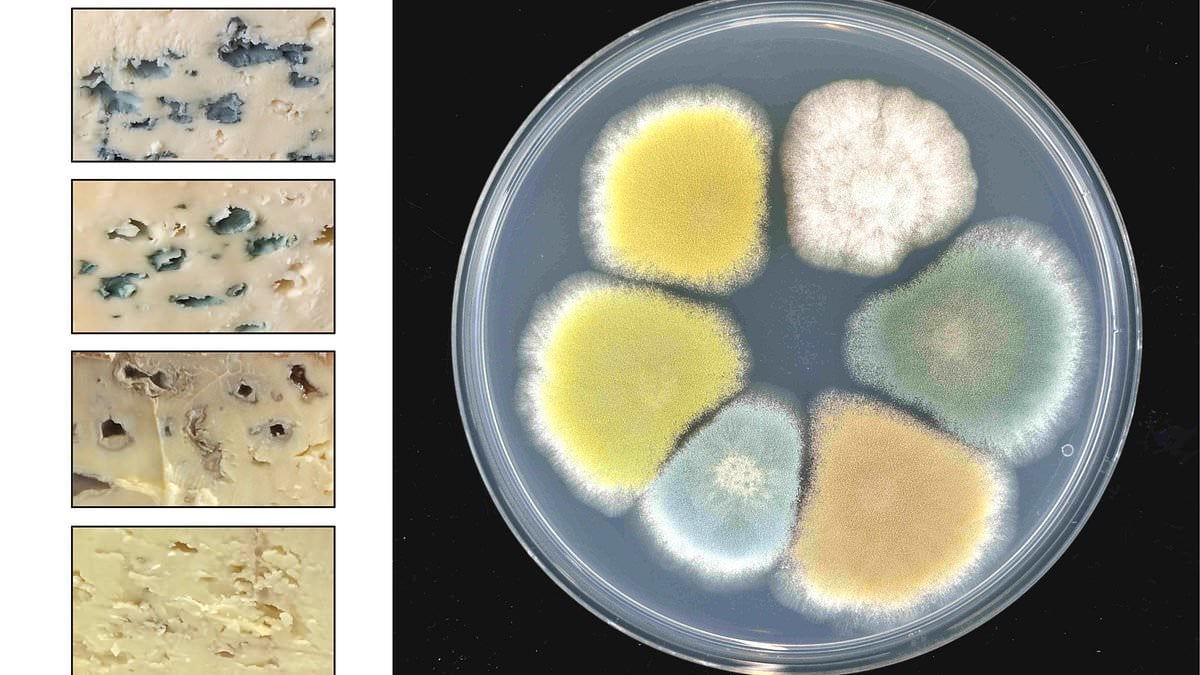
Scientists at the University of Nottingham have discovered a way to manipulate the color of blue cheese, ranging from white to pink, by altering the pigmentation process of the fungus Penicillium roqueforti. Despite the color changes, the taste of the cheese remains similar to the original blue strains, with volunteers noting differences in perceived fruitiness and tanginess based on color. This breakthrough in color manipulation raises questions about the impact on flavor perception and challenges traditional associations with food colors.

"Cheesy Breakthrough: Scientists Expand Blue Cheese Palette with Vibrant New Colors"
food-science2 years ago

"Cheesy Breakthrough: Scientists Expand Blue Cheese Palette with Vibrant New Colors"

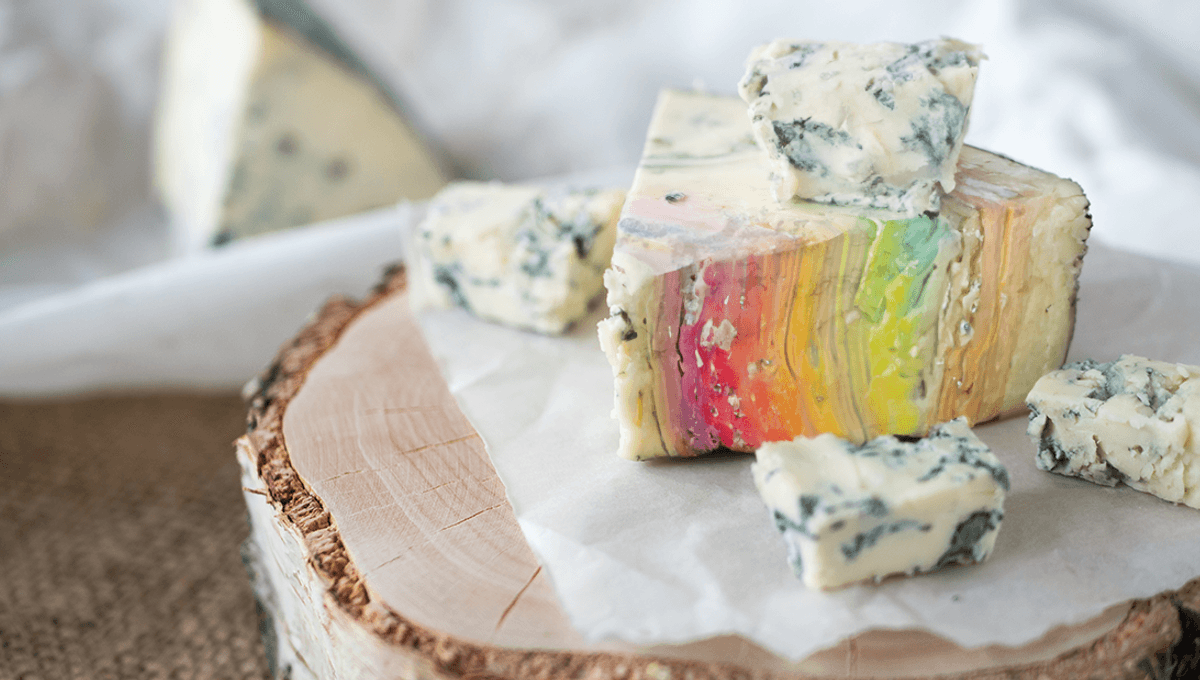
Scientists from the University of Nottingham have developed a method to create different colors of blue cheese by manipulating the biochemical pathway that forms the blue pigments in the cheese. The new color variations taste similar to traditional blue cheese, with subtle differences in flavor perception based on the cheese's color. This innovation could attract new consumers to the market and may lead to the creation of new color varieties of blue cheese in collaboration with cheesemakers.

"Cheesy Breakthrough: Scientists Create Rainbow of Blue Cheese Colors"
food-science2 years ago

"Cheesy Breakthrough: Scientists Create Rainbow of Blue Cheese Colors"

Scientists at the University of Nottingham have discovered a way to create blue cheese in a variety of new colors by inducing sexual reproduction in the fungus used to make blue cheese, resulting in new strains with novel flavors and appearances. By mutating genes within the biochemical pathway that forms the blue pigment, they were able to produce different color variants without compromising safety. Taste trials revealed that people perceived the taste of the new colored cheeses differently based on their appearance, showing that people perceive taste not only from what they taste but also by what they see. The researchers are working with a company called Myconeos to potentially bring multicolored cheese to the market.

"Brain Stimulation Offers Hope for Alleviating Depression, Study Finds"
health2 years ago

"Brain Stimulation Offers Hope for Alleviating Depression, Study Finds"

A new study from the University of Nottingham suggests that transcranial magnetic stimulation (TMS) could effectively alleviate treatment-resistant depression, with 67% of participants showing positive responses and a third experiencing a 50% improvement in symptoms. The targeted MRI-guided TMS treatment resulted in substantial and lasting benefits, offering hope for those who have struggled with depression for years. While the therapy may be more expensive and time-consuming, its remarkable impact on long-suffering individuals underscores its potential as a valuable treatment option for severe depression.

"Lab-Created Pseudo-Model Black Hole Breakthrough"
science2 years ago

"Lab-Created Pseudo-Model Black Hole Breakthrough"

Scientists at the University of Nottingham have created a pseudo-model black hole in a lab using a giant quantum vortex made from superfluid helium with 500 times less viscosity than water. This breakthrough could help researchers understand black holes and potentially inch closer to a Grand Unified Theory by observing black hole-like phenomena such as "ringdown mode" and cosmic fields interacting with gravitational vortices. The experiment, published on the preprint server arXiv, aims to bridge the gap between General Relativity and Quantum Field Theory, offering new insights into the nature of black holes and the formation of the universe.