
Rising GLP-1 Prescriptions for Children Raise Safety and Long-Term Concerns
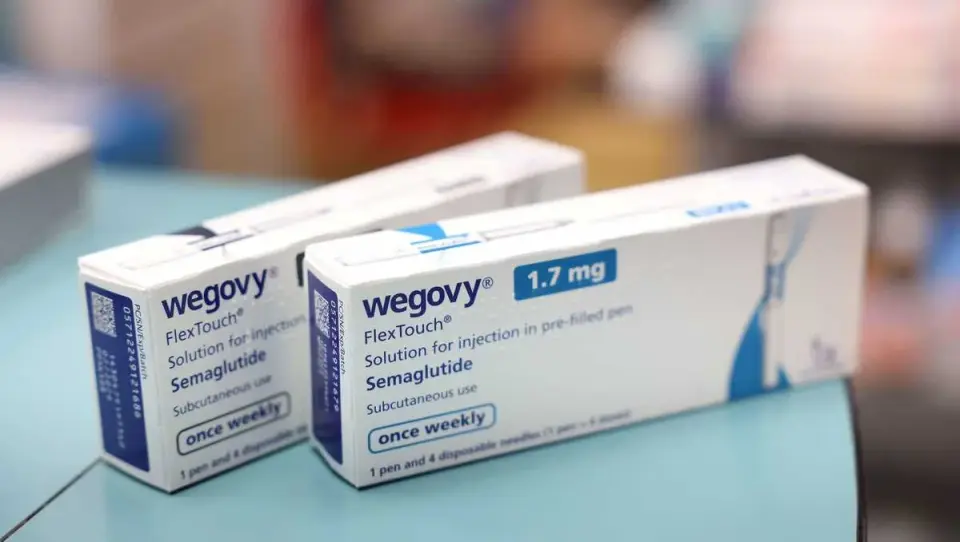
Prescriptions for GLP-1 weight-loss drugs among U.S. children are rising rapidly, with adolescent usage up 300% since 2020 and prescriptions for 8- to 11-year-olds increasing 310-fold since 2019. While the FDA has approved these medications for ages 12 and older, doctors are increasingly prescribing them off-label to younger children. Experts warn that long-term safety data is lacking, and risks include nutritional deficiencies, malnutrition, and the potential triggering of eating disorders. Insurance coverage remains inconsistent, and the medications are generally intended for long-term use, with weight regain common after discontinuation.
Key points
- The CDC reported a 300% increase in obesity medication prescriptions for adolescents aged 12 to 17 between 2020 and 2023.
- A study in Pediatrics found that prescriptions for GLP-1s among children aged 8 to 11 were 310 times higher in June 2026 than in June 2019.
- The American Academy of Pediatrics guidelines allow GLP-1s for children with severe obesity or life-threatening comorbidities, though intensive lifestyle counseling is preferred.
- A September 2026 study found nearly 17% of children aged 10 to 17 on GLP-1s developed nutritional deficiencies, including vitamin D and iron-deficiency anemia, within one year.
- Experts warn that rapid weight loss can signal malnutrition and that GLP-1s may exacerbate or trigger eating disorders in vulnerable youth.
- Insurance coverage for pediatric GLP-1s is inconsistent, often requiring prior authorization and documentation of obesity-related complications.
Background
This development follows earlier concerns about body image issues among youth, such as the rise of bigorexia, and growing public discourse on how parents discuss weight and medication with children. The current surge in pediatric GLP-1 use highlights a shift in medical approaches to childhood obesity, moving beyond traditional lifestyle interventions to pharmacological solutions despite limited long-term data.
Why it matters
The rapid adoption of GLP-1s in pediatric populations raises critical questions about the safety, efficacy, and ethical implications of using adult weight-loss drugs on developing bodies. As prescriptions increase for younger children, the lack of long-term data on growth, puberty, and nutritional health creates uncertainty for parents and healthcare providers. The potential for nutritional deficiencies and eating disorders underscores the need for careful monitoring and comprehensive care, balancing the benefits of weight management with the risks of malnutrition and psychological harm.
What to watch
Healthcare providers will likely continue to monitor the long-term effects of GLP-1s in children, with ongoing research aimed at filling data gaps. Insurance policies may evolve to better cover these medications, though prior authorization requirements are expected to remain. Parents and pediatricians will need to stay vigilant for signs of malnutrition and eating disorders, emphasizing the importance of balanced nutrition and mental health support alongside pharmacological treatment.
Want the full story? Read the original reporting
Read on WLWT