
New research suggests knees are more resilient than previously believed, with activity key to long-term health
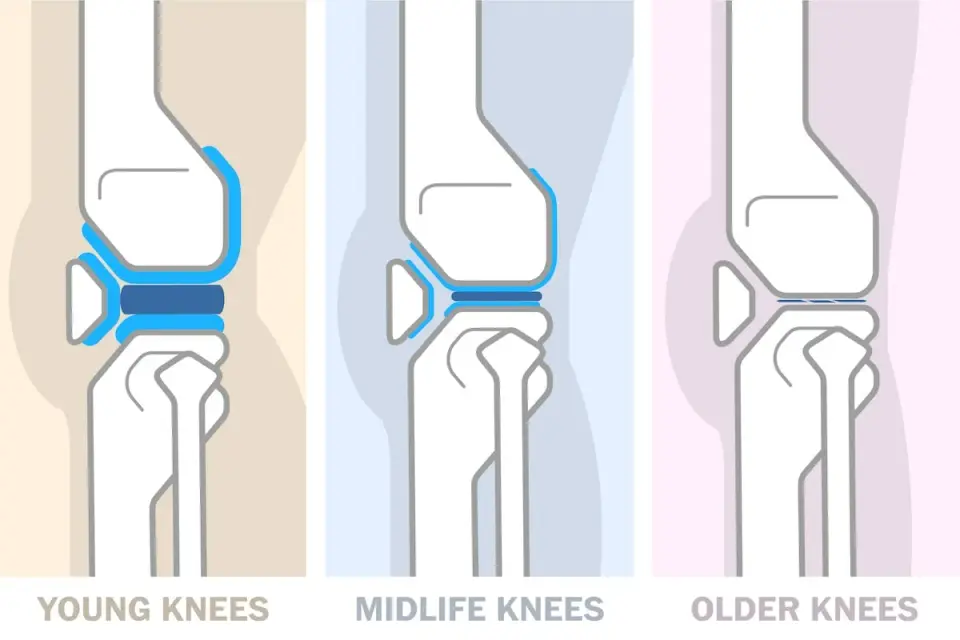
The Washington Post reports that recent scientific findings indicate human knees are more resilient than commonly assumed, challenging the widespread belief that activities like distance running inevitably lead to arthritis. The article, authored by Gretchen Reynolds and Aaron Steckelberg, outlines how knees change across adulthood and emphasizes that physical activity is crucial for maintaining joint health. It highlights that while cartilage and muscle mass decline with age, consistent movement can mitigate these effects and potentially improve joint condition.
Key points
- A 2022 study of 2,514 adults found that over half mistakenly believed distance running increases the risk of knee arthritis, despite evidence showing runners are less likely to develop it.
- Research indicates that running may actually strengthen knee cartilage, and a 2019 study showed that middle-aged runners had healthier knees after training for a marathon compared to before.
- In the 20s and 30s, knees are at their healthiest, but muscle mass begins to decline around age 30, increasing susceptibility to injury and osteoarthritis.
- Midlife (40s-50s) sees a rise in knee arthritis diagnoses, with synovial fluid drying up and cartilage thinning; however, resistance exercise before age 50 can reduce the risk of later knee pain or arthritis by 20% or more.
- For those 60 and older, joint-space narrowing and reduced synovial fluid are common, but walking at least 6,000 steps a day can maintain mobility and reduce pain, with knee function improving by 16% for every additional 1,000 steps.
- A 2021 study found that a 12-week chair squatting program increased quadriceps size and strength in older adults, improving their ability to rise from chairs.
Background
This article is part of a week-long series on knee health by The Washington Post. It builds on previous coverage of knee injuries in sports, such as the 2026 season-ending knee surgery of New York Giants quarterback Jaxson Dart, which highlighted the impact of ligament damage on athletes. The article also contrasts with broader discussions on health and aging, such as the 2026 report on 401(k) balances for Americans in their 30s and 40s, which emphasized the importance of long-term planning for financial and physical well-being.
Why it matters
Understanding the true resilience of knees and the role of activity in maintaining joint health can help individuals make informed decisions about exercise and lifestyle choices, potentially reducing the risk of knee arthritis and improving quality of life as they age.
What to watch
The Washington Post plans to continue its week-long series on knee health, with the next article focusing on advice from a knee doctor about the worst practices for sore knees. Further research and public education on knee health are expected to continue, emphasizing the importance of activity and preventive measures.
Want the full story? Read the original reporting
Read on The Washington Post