
Shingles Vaccine Linked to 9% Drop in Heart Disease Risk in Large US Study
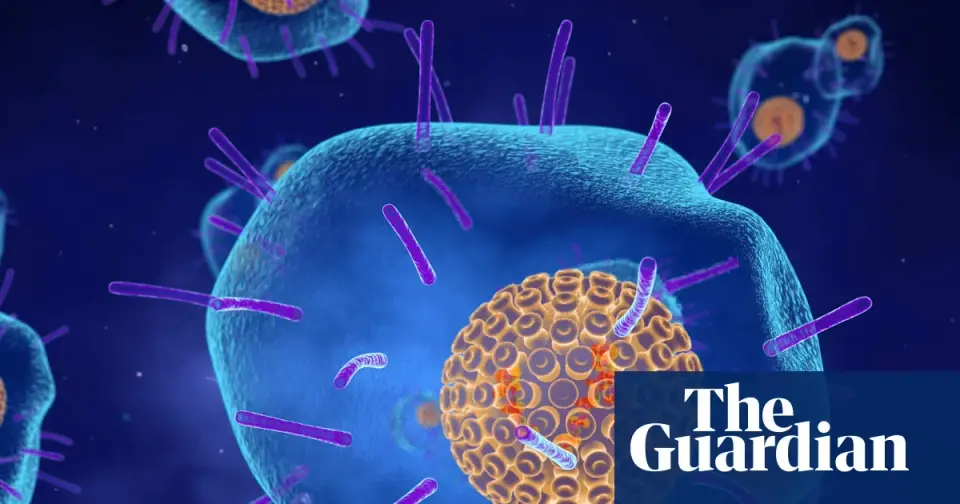
A new study suggests that the Shingrix shingles vaccine may reduce the risk of heart attacks, strokes, and heart failure by 9% over seven years. Published in Nature Medicine, the research analyzed records of 72,000 US adults aged 60 and older. By comparing those vaccinated before and after the 2017 switch from the older Zostavax vaccine to Shingrix, researchers found a significant drop in cardiovascular events. While the absolute risk reduction is small, the potential population-wide impact is substantial. Experts believe the vaccine's adjuvant may reduce inflammation, though randomized trials are needed to confirm causation.
Key points
- The study found a 9% lower overall cardiovascular burden in those receiving Shingrix compared to the older Zostavax vaccine over a seven-year period.
- Specific reductions included 10% for ischemic heart disease, 12% for heart failure, and 12% for stroke in men, though the effect waned after 3.5 years.
- The research utilized a 'natural experiment' design, comparing vaccinated individuals before and after the 2017 US switch to Shingrix to avoid healthy-vaccinee bias.
- Researchers hypothesize that the AS01 adjuvant in Shingrix may reprogram immune cells to reduce inflammation, a key driver of cardiovascular disease.
- A large randomized controlled trial in Denmark involving 162,000 participants is underway, with results expected in 2027 to confirm these observational findings.
Background
This finding follows a 2025 study linking Shingrix to lower dementia risk, suggesting the vaccine may offer broader protective benefits beyond preventing shingles. Previous observational studies had suggested cardiovascular benefits but were limited by confounding factors, as vaccinated individuals often have healthier lifestyles. The current study addresses these limitations by comparing two groups of vaccinated people across a specific time cutoff. In the UK, Shingrix is being rolled out incrementally to those aged 65-79, while the US has offered it to adults 50 and older since 2017.
How outlets are covering it
The Guardian and New Scientist emphasize the potential for preventing hundreds of thousands of cardiovascular events globally if the findings are confirmed. STAT highlights the methodological strength of the 'natural experiment' design, which mitigates biases present in earlier studies comparing vaccinated versus unvaccinated groups. While all sources agree on the statistical significance of the 9% reduction, they note the absolute risk change is small (1% fewer events over seven years). Experts like Dr. Maxime Taquet and Dr. John Tregoning stress that while the mechanism is unclear, the adjuvant AS01 is a likely candidate for reducing inflammatory cytokines. Critics note that observational data cannot prove causation, necessitating the ongoing Danish trial.
Why it matters
If confirmed, Shingrix could become a dual-purpose intervention for protecting both the brain and the heart in older adults. Given that heart disease and stroke are leading causes of death, even a modest risk reduction could translate into significant public health benefits and cost savings. The findings may also influence vaccination uptake, as currently only about one-third of eligible individuals in the US receive the vaccine.
What to watch
The primary next step is the completion of the DAN ZOSTER trial in Denmark, which aims to provide definitive evidence through a randomized controlled design. Researchers are also investigating the specific biological mechanisms, such as epigenetic changes and immune cell reprogramming, that might explain the cardioprotective effects. If the results are positive, health authorities may consider expanding vaccination eligibility or recommending booster doses to maximize cardiovascular benefits.
- Shingles vaccine linked to lower risk of heart attack and stroke, study finds The Guardian
- Recombinant shingles vaccination and the risk of cardiovascular events Nature
- Newer shingles vaccine linked to lower heart disease risk, ‘natural experiment’ shows STAT
- Shingles vaccine may lower risk of stroke and heart failure New Scientist
- Shingles vaccine linked to 24% lower dementia risk Science Daily
Want the full story? Read the original reporting
Read on The Guardian