Tag

Cardiovascular Health

All articles tagged with #cardiovascular health

New cholesterol guidelines urge earlier action, starting in your 30s
health1 hour ago

New cholesterol guidelines urge earlier action, starting in your 30s

New guidelines from the American College of Cardiology and other groups push for earlier attention to cholesterol—potentially starting around age 30—with clearer targets and guidance on when medications like statins may help, alongside lifestyle changes; doctors emphasize regular cholesterol screening and personalized risk assessment to reduce heart disease and stroke risk.

Mango and Avocado Duo May Boost Heart Health in Prediabetes
health2 days ago

Mango and Avocado Duo May Boost Heart Health in Prediabetes

A randomized study from Illinois Tech, published in the Journal of the American Heart Association, found that adding one Hass avocado and one cup of fresh mango to daily meals for eight weeks improved vascular function (endothelial health) and reduced diastolic blood pressure in adults with prediabetes, without changing total calories or body weight. The avocado-mango diet also raised fiber, vitamin C, and monounsaturated fat intake, with no major changes in cholesterol, glucose, or inflammation, suggesting simple, nutrient-dense foods may support heart health in at‑risk individuals.

Small daily habit tweaks cut heart disease risk, study finds
health13 days ago

Small daily habit tweaks cut heart disease risk, study finds

A large study of over 50,000 people shows that modest, multi-domain changes to sleep, exercise, and diet (SPAN) can substantially lower cardiovascular risk. Higher SPAN scores correlated with up to a 50% reduction in major heart events; even small tweaks—about 10 extra minutes of sleep, 5 minutes more physical activity, and minor diet improvements—were linked to roughly a 10% risk reduction. The takeaway is that small, sustainable lifestyle changes across several areas may be more effective than a single drastic change.

Valve swap saves officer’s heart and keeps him on the beat
health21 days ago

Valve swap saves officer’s heart and keeps him on the beat

A New Jersey Transit police officer experiences chest pressure due to a bicuspid aortic valve. After doctors discuss options, he undergoes a Ross procedure that uses his own pulmonary valve to replace the aortic valve. The complex surgery is successful, and 18 months later he’s back on duty, coaching and enjoying better health, with ongoing follow-up care.

Isometric workouts: a 14-minute, thrice-weekly route to lower blood pressure
health22 days ago

Isometric workouts: a 14-minute, thrice-weekly route to lower blood pressure

A recent meta-analysis of isometric exercises (handgrip, wall squat, leg extension) suggests that doing four 2‑minute bouts, three days a week for a total of 14 minutes per session can lower blood pressure and improve heart function—often more effectively than cardio or resistance training. The routine is accessible at home without equipment and may help those with joint or mobility issues, though long‑term effects and interactions with blood pressure medications need more study; ongoing large trials aim to refine the optimal protocols.

Cholesterol guidelines tighten focus on early prevention and personalized risk
cardiovascular-health22 days ago

Cholesterol guidelines tighten focus on early prevention and personalized risk

The American Heart Association and American College of Cardiology have updated dyslipidemia guidelines, prioritizing earlier lifestyle-based prevention, a modern cardiovascular risk calculator (PREVENT) to guide treatment, and additional tests (CAC, Lp(a), ApoB) to refine risk and LDL-C lowering decisions; the updates also address hypertriglyceridemia therapies and recommend cholesterol screening for kids aged 9–11 to identify familial hypercholesterolemia early and reduce lifetime cardiovascular risk.

Silent walking on TikTok linked to heart health benefits
health23 days ago

Silent walking on TikTok linked to heart health benefits

Experts say the TikTok trend of silent walking—about 20–30 minutes of walking without music or podcasts—may benefit heart health by lowering blood pressure and stress hormones, boosting mood, and encouraging mindfulness. While the practice can be sustainable and restorative, researchers note that balance with music or motivation can help some people stay active.

Seven post-7pm choices that shape your heart’s health, per a cardiologist
health25 days ago

Seven post-7pm choices that shape your heart’s health, per a cardiologist

A veteran cardiologist outlines seven behaviors to avoid after 7 p.m. to protect heart health: late meals, bright blue-enriched lighting, stressful or emotionally charged TV, late high-intensity exercise, alcohol, heated conversations, and unfiltered screen exposure. Each choice can disrupt circadian rhythms, sleep quality, blood pressure, glucose regulation, and inflammation, nudging the body toward a stress state rather than repair overnight. The core guidance is to minimize circadian disruption after hours to support the heart’s recovery and reduce long-term cardiovascular risk.

Watercress: The Unexpected Superfood With Power-Packed Nutrition
health1 month ago

Watercress: The Unexpected Superfood With Power-Packed Nutrition

A 2014 CDC study found watercress to be the most nutrient-dense ‘powerhouse’ vegetable, scoring a perfect 100 per calorie among 41 PFVs. Rich in vitamins A, C, K1, B6, minerals, antioxidants, protein, and fiber, it’s very low in calories (about 11 per 100g) and linked to heart and kidney protection, bone health, DNA protection, and potential cancer-fighting benefits. Easy ways to include it: raw in salads or sandwiches, in soups, or blended into pesto.

Deep-Frying Could Be Worse for Your Arteries Than Butter, Say Cardiologists
health1 month ago

Deep-Frying Could Be Worse for Your Arteries Than Butter, Say Cardiologists

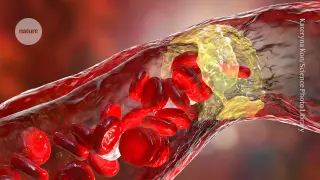
Cardiologists warn that deep-frying foods can damage arteries by increasing oxidized LDL and promoting plaque buildup, citing a 2021 Heart study that links regular fried-food consumption with higher risks of coronary heart disease, heart failure, and stroke. While butter should be used in moderation, experts say the arterial risks of frequent deep-frying can outweigh butter’s — and they recommend heart-healthy swaps like air frying, low-oil sautéing, and baking, plus gradual diet changes to reduce saturated and trans fats.

Seven Days on Green Tea: Subtle Energy and Real Health Trade-Offs
health1 month ago

Seven Days on Green Tea: Subtle Energy and Real Health Trade-Offs

A dietitian spends a week drinking only green tea, reporting steady energy, calm digestion, and a grounding daily ritual; antioxidants like EGCG may support heart and brain health, and caffeine can boost metabolism, but downsides include potential caffeine sensitivity and tannins that can reduce iron absorption—so moderation is key and green tea deserves a permanent spot in a balanced rotation.

Lancet findings reinforce statins' safety amid anti-statin myths
health1 month ago

Lancet findings reinforce statins' safety amid anti-statin myths

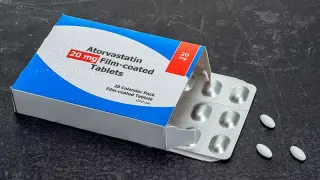
A large Lancet analysis pooling data from over 120,000 patients across 19 randomized trials finds that statins do not meaningfully increase most side effects and their cardiovascular benefits far outweigh potential risks. The piece attributes the ongoing “statin hysteria” to misinformation and celebrity/aut online narratives, noting past observational studies were misinterpreted and that skeptics persist despite this stronger evidence.

Brewing Health: Whole-Leaf Tea Beats Bottled Varieties
health1 month ago

Brewing Health: Whole-Leaf Tea Beats Bottled Varieties

A scientific review links brewed tea—especially green tea—with better heart health, metabolism, and lower risk of chronic diseases, noting that brewed teas preserve polyphenols and catechins better than processed or bottled versions. To maximize benefits, skip or minimize sugar and choose whole-leaf tea (or matcha) over bottled varieties, as processing and added ingredients can negate tea’s advantages; tea should be part of a balanced diet, not a magic solution.

Erythritol May Undermine Brain Shield, Raise Stroke Risk
science2 months ago

Erythritol May Undermine Brain Shield, Raise Stroke Risk

New lab and observational evidence suggests the sugar substitute erythritol can damage cells of the blood-brain barrier, trigger oxidative stress, and lower nitric oxide while raising endothelin-1, potentially narrowing cerebral vessels and hindering clot dissolution—factors that could elevate stroke risk; these findings align with studies linking erythritol to higher cardiovascular events, though most experiments used isolated cells and require validation in more realistic models.