
Study Finds Low Libido Worries Center on Partner Satisfaction, Not Just Personal Frustration
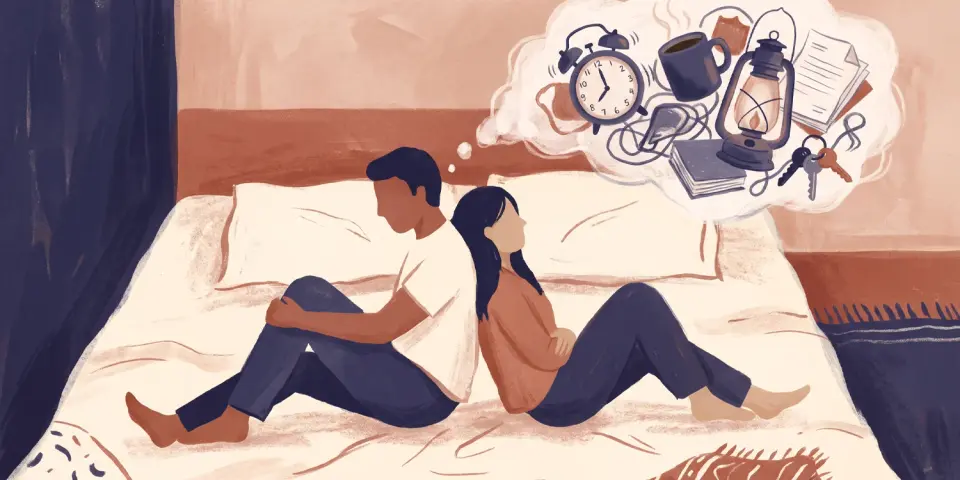
A new study reveals that adults with low sex drive are primarily concerned about failing to satisfy their partners, rather than just their own lack of desire. The research highlights how mental health, stress, and exhaustion significantly impact sexual well-being.
Key points
- 57.1% of adult respondents reported worrying about their sex drive, with most fearing their desire was too low.
- 42.4% of those worried cited a mismatch between their own appetite and their partner’s as a key concern.
- The top worry for people with low desire was feeling they were letting their partner down, rather than personal frustration.
- 44.3% of respondents linked low libido to mental health struggles, body dissatisfaction, medication side effects, stress, and exhaustion.
- Some respondents expressed fear of feeling pressured into unwanted sex to keep their partner happy.
Background
This research adds to the understanding of how everyday adults perceive sexual desire, building on broader discussions about the intersection of mental health and physical well-being. Previous coverage in our archive has touched on the impact of stress and health on daily life, but this study specifically isolates sexual desire as a metric for overall well-being.
Why it matters
The findings normalize fluctuations in sexual desire, linking them to common life factors like stress and mental health rather than viewing them as isolated failures. This perspective may help reduce the stigma and self-doubt associated with low libido, encouraging more open conversations about sexual health within partnerships.
What to watch
The study’s findings are now available for public review, and researchers may use these insights to develop better support systems for couples navigating differences in sexual desire. Future research may explore how these concerns vary across different demographics, as the current sample leaned toward younger adults in committed relationships.
Want the full story? Read the original reporting
Read on PsyPost