
Caltech BrainBots Deliver Fivefold Chemotherapy Boost to Mouse Brains via Light Activation
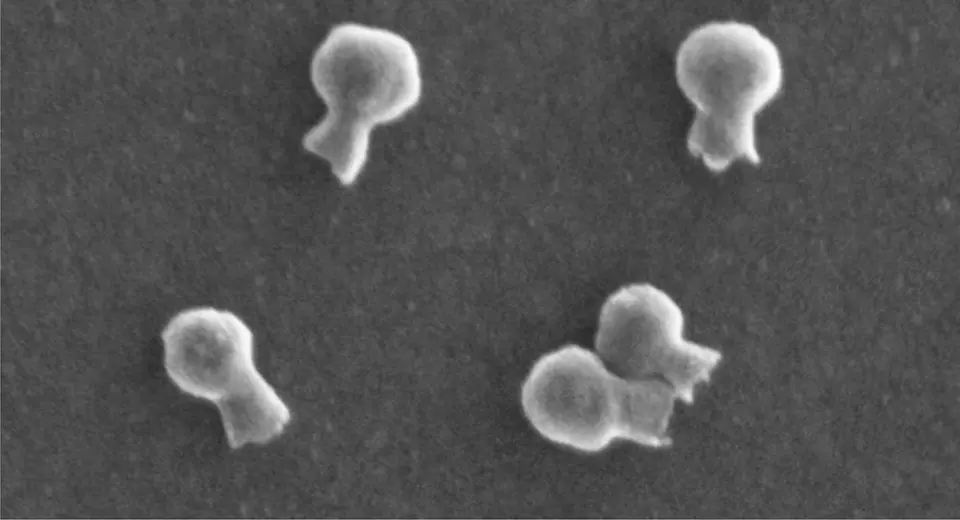
Caltech researchers have published a study in Science Robotics detailing the development of 'BrainBots,' biodegradable nanorobots that use near-infrared light to propel themselves across the blood-brain barrier. In mouse trials, these 250-nanometer devices delivered five times more chemotherapy drug doxorubicin to the brain than non-activated counterparts, slowing tumor growth and reducing systemic toxicity. While the technology shows promise for treating brain cancers and neurological disorders like Parkinson's, experts note that only a fraction of the bots reached the brain and significant hurdles remain before human trials can begin.
Key points
- BrainBots are 250-nanometer capsules made of biodegradable materials that contain a gas-generating fuel activated by near-infrared light.
- The light triggers localized heat, melting a gate and propelling the bots to bind with blood-brain barrier cells via specialized DNA molecules called aptamers.
- In mice with glioblastoma, activated BrainBots delivered 5.2 times more doxorubicin to brain tissue than unactivated carriers, resulting in slower tumor growth and longer survival.
- The treatment caused less systemic toxicity than conventional intravenous injections and did not cause detectable damage to the blood-brain barrier.
- Researchers acknowledge that only a fraction of the bots successfully entered the brain, with the remainder expected to degrade in organs like the liver and spleen.
Background
This development follows a growing trend in nanotechnology for drug delivery, including a June 2025 study on 'Trojanbots' that used immune cells to transport drugs across the blood-brain barrier. Previous archive coverage from November 2026 highlighted similar findings regarding the fivefold increase in drug delivery efficiency. The broader context includes other methods like focused ultrasound and microbubble injections, which have progressed to human trials but face challenges with safety and timing.
How outlets are covering it
While Caltech researchers, led by Professor Wei Gao, express enthusiasm about the technology's potential for treating neurological diseases like Parkinson's, external experts remain cautious. Tim Viney of the University of Oxford noted that the histology and neuroanatomy data from the mouse studies need significant improvement and questioned the immediate translation to humans. Richard Jones of the University of Manchester described the propulsion mechanism as a 'live area of research' with many recent papers, suggesting it is part of a broader trend rather than a singular breakthrough. The Rundown AI highlighted that while BrainBots show promise, they lack anatomical evidence of how far particles travel from blood vessels, a gap that complicates the assessment of tumor penetration.
Why it matters
The blood-brain barrier is a major obstacle in treating brain diseases, as it prevents most medications from reaching the brain. BrainBots offer a potential solution by actively propelling drugs across this barrier, which could lead to more effective treatments for glioblastoma and other neurological conditions with reduced side effects. However, the technology is still in the preclinical stage, and significant challenges remain in improving delivery efficiency and ensuring safety for human use.
What to watch
The research team plans to focus on improving the delivery efficiency, as only a fraction of the BrainBots currently make it into the brain. Future studies will likely investigate the stability, degradation, and long-term safety of the nanorobots. The team also aims to expand the application of BrainBots to other neurological diseases, such as Parkinson's and Alzheimer's, and to other types of therapeutics like protein and gene therapies. Human trials are not yet planned but are a long-term goal if preclinical results continue to improve.
- Nanoscale ‘Robots’ Deliver Lifesaving Treatments to the Brain –Then Biodegrade Afterward Good News Network
- Light-activated nanorobots can boost drug delivery across the blood-brain barrier Medical Xpress
- Light-activated nano-robots bring more drugs to the brain Financial Times
- BrainBot Nanorobot Boosts Anticancer Drug Delivery Fivefold 조선일보
- Caltech’s BrainBots deliver more chemo to mouse brains The Rundown AI
Want the full story? Read the original reporting
Read on Good News Network