
Texas Ranks Third in Nation for Deadly, Drug-Resistant Fungal Infections
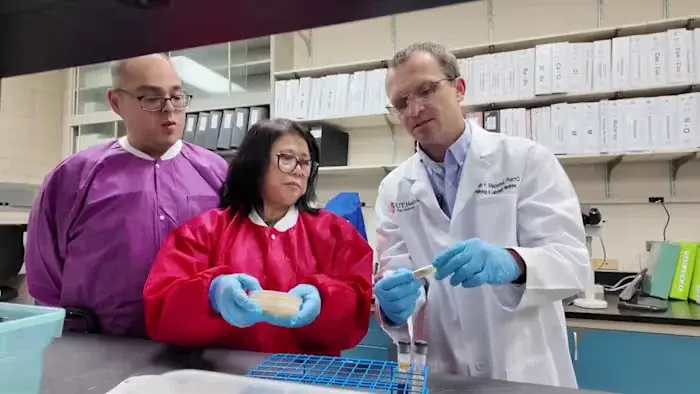
Texas has recorded 459 cases of the drug-resistant fungus Candida auris since mid-August 2026, ranking third nationally behind California and Nevada. Researchers at UT Health San Antonio warn that the organism is increasingly resistant to common antifungals, particularly fluconazole, which fails in approximately 90% of isolates. While healthy individuals are rarely affected, the infection carries a 30% to 60% mortality rate for vulnerable patients in healthcare settings. Experts emphasize strict hygiene and new drug development to combat the rising threat.
Key points
- The CDC reports over 4,500 national cases of Candida auris since August 15, 2026, with Texas accounting for 459 infections since mid-August.
- Dr. Nathan Wiederhold of UT Health San Antonio notes that the fungus spreads easily on hospital surfaces like bed rails and doorknobs if cleaning protocols are insufficient.
- Antifungal resistance is a critical concern, with about 90% of isolates resistant to fluconazole, a widely used global medication.
- Mortality rates for serious infections range from 30% to 60%, primarily affecting patients with weakened immune systems or those in long-term care.
- Prevention strategies include rigorous hand hygiene with soap and water or alcohol-based sanitizers, alongside the need for new clinical trials and drug development.
Background
This outbreak follows a broader national trend of rising fungal infections. In August 2026, Georgia reported 193 cases, and Arizona had over 300 cases since 2022. Earlier in 2026, global studies also highlighted a surge in drug-resistant ringworm, indicating a wider pattern of fungal resistance. The current Texas surge aligns with these nationwide increases, highlighting the urgency for improved surveillance and treatment options.
Why it matters
The rise of Candida auris poses a significant threat to public health, particularly in healthcare facilities where vulnerable patients are concentrated. The high rate of drug resistance complicates treatment, potentially leading to higher mortality rates. Addressing this requires immediate action in infection control, better diagnostic access, and the development of new antifungal therapies to prevent further spread.
What to watch
UT Health San Antonio researchers will continue studying antifungal resistance, while health officials monitor the spread of Candida auris across Texas and the nation. Clinicians are urged to increase awareness and improve testing access to better manage cases and prevent transmission in healthcare settings.
Want the full story? Read the original reporting
Read on KSAT