A new study documents the first pan-drug-resistant strain of Candida auris in Africa, isolated from a patient in Nairobi. This rare superbug resists all major antifungal classes, highlighting the urgent need for genomic surveillance in healthcare settings.
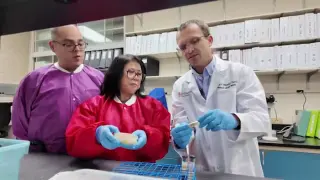
A deadly fungus, Candida auris, has infected 459 people in Texas since mid‑August and more than 4,500 nationwide, with Texas ranking third in the country; many cases are resistant to common antifungals like fluconazole, raising concerns about treatment and infection control. Mortality for serious infections can reach 30–60%. Researchers at UT Health San Antonio are studying resistance, calling for better testing, more clinical trials, and new drugs, while emphasizing strict hand hygiene and prevention to curb spread.
A drug-resistant yeast called Candida auris is spreading across the United States, including Washington state, with more than 4,500 cases nationwide in 2026 and at least a dozen WA infections. It can cause everything from shallow skin infections to life-threatening bloodstream infections and is often resistant to antifungal drugs. The infection mainly hits hospitalized patients with invasive medical devices and those with weakened immune systems, with invasive infections carrying a 30%–60% mortality rate. Treatment usually requires multiple antifungal drugs. Preventing spread relies on strict infection-control in healthcare settings—hand hygiene, patient isolation, room disinfection, and use of gloves and gowns—while home precautions emphasize regular handwashing and careful care of any invasive medical devices.
California now accounts for the most Candida auris cases in the U.S.—972 in 2026 as of Aug. 9—out of more than 4,500 nationwide, as this drug-resistant yeast continues to cause severe infections in hospitals and nursing facilities; the organism is frequently resistant to antifungal drugs and outbreaks have risen since 2019, with about 34% mortality in 2017–2022. Prevention centers on strict hand hygiene, isolating infected patients, thorough room disinfection, gloves and gowns for staff, and hand hygiene for visitors.
Georgia is seeing a rise in Candida auris, a drug-resistant fungus, with 193 cases reported in 2026. The organism spreads easily in hospitals and nursing homes, can survive on surfaces and medical equipment, and can cause severe infections that are often resistant to multiple antifungal drugs. The CDC warns of nationwide growth of C. auris, and Georgia requires reporting of cases; health facilities are increasing screening and infection-control measures to prevent transmission.
A drug-resistant fungal infection caused by Candida auris is spreading across Arizona and other states, with Arizona reporting over 300 cases since 2022 and Pima County cases rising from 31 in 2024 to 59 in 2025. The fungus spreads through contact with affected patients or contaminated surfaces, and its symptoms vary by infection site, making detection challenging. Hand washing is the best prevention, and nationwide data show rising infections in 27 states.
A drug-resistant fungus, Candida auris, is spreading across the United States, including Maryland; officials say most people are not at high risk, but its resistance to many antifungal medicines creates challenges for hospitals and underscores the need for vigilant surveillance.
Provisional CDC data through July 25, 2026 show 3,437 clinical Candida auris cases across 27 states, led by California with 873. The drug-resistant fungus spreads in healthcare settings via contaminated surfaces and colonization, and can cause invasive infections with high mortality; most strains resist fluconazole and echinocandins are the main treatment, driving ongoing research and strict infection-control measures.
A drug-resistant fungus, Candida auris, is spreading in the United States with 3,437 clinical cases this year across 27 states (and 6,304 in 2024). It mainly threatens patients with severe underlying illnesses and invasive devices, and can be carried as colonization without symptoms. Transmission occurs via direct contact or contaminated equipment, not casual contact or airborne spread. Increased screening and better detection mean more cases are found, but eradicating the fungus is unlikely; strict cleaning and infection-control practices in hospitals and long-term care facilities can reduce spread.
Candida auris, a drug-resistant yeast, has been detected in 23 states in 2026, including Wisconsin which has reported over 100 cases historically and about 31 so far this year. Infections, mainly in healthcare settings among immunocompromised patients or those with medical devices, are difficult to treat. Texas leads 2026 cases, with Michigan and Illinois nearby; nationwide cases surpassed 6,000 in 2024. The fungus spreads through touch and contaminated surfaces, requires lab confirmation for diagnosis, and carries a substantial mortality risk (30–60%), highlighting the importance of infection-control measures and hand hygiene.
The CDC is monitoring 13 cases of the emerging fungus Candida auris in Washington state as of 2026. This yeast can cause infections ranging from skin issues to bloodstream infections and spreads easily among vulnerable patients in healthcare facilities. Some strains resist standard antifungal drugs; colonization on the skin can spread the fungus unknowingly. Diagnosis involves screening with skin swabs, and treatment may involve echinocandin antifungals, though resistance exists in some strains and outcomes depend on patients' underlying illnesses. Specific locations within Washington have not been disclosed.
Michigan hospitals report a surge of Candida auris, a drug-resistant fungus, with over 500 cases this year and more than 3,000 since 2021; the CDC lists it as an urgent threat. It can spread on surfaces in healthcare settings and cause severe infections, including bloodstream infections. Hospitals say increased testing and strict contact precautions are helping, but the risk to people outside hospitals remains low, and patients should follow discharge guidance to reduce exposure.
Candida auris, a drug-resistant yeast that can persist on surfaces, is spreading in U.S. healthcare facilities. The CDC reported 3,437 clinical cases across 27 states as of July 25, 2026, with last year totaling 4,290, highlighting it as a critical public health threat. It can colonize skin or cause serious infections such as bloodstream infections that may lead to sepsis, especially in patients with underlying conditions. Transmission occurs through contact with contaminated objects and people, and it can resist common cleaning agents, complicating elimination in hospitals and nursing facilities. Detection has increased due to targeted screening, but preventing spread relies on strict infection-control measures, diligent environmental cleaning, hand hygiene, and isolating affected patients; treatment options are limited and depend on the strain.
Candida auris, a drug-resistant fungus first detected in the U.S. in 2013, has now been found in 27 states and poses a major threat in healthcare settings, particularly to seriously ill patients with devices such as ventilators, feeding tubes, or catheters. The yeast can persist on surfaces and resist many disinfectants and antifungal medicines, complicating treatment. Infection-control measures in hospitals—private rooms, gowns and gloves, dedicated equipment, and EPA-approved cleaners—are essential to prevent spread, and diagnosis requires lab testing; some strains are resistant to azoles and amphotericin B.
CDC data show Candida auris, a drug-resistant fungus, has been detected in 27 states with about 3,437 clinically confirmed cases through July 25, 2026; the Pacific region bears the heaviest burden, led by California with 873 single-state infections, and the fungus—primarily spread in healthcare settings—is difficult to treat because many strains resist common antifungals; mortality estimates vary, and infection-control measures remain key to limiting spread.