A new study documents the first pan-drug-resistant strain of Candida auris in Africa, isolated from a patient in Nairobi. This rare superbug resists all major antifungal classes, highlighting the urgent need for genomic surveillance in healthcare settings.
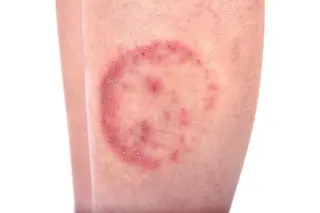
A fungus identified as Trichophyton indotineae is causing ringworm infections worldwide and shows resistance to terbinafine antifungal medications. Cases have risen in 29 countries, from 237 in 2022 to 1,692 in 2025, highlighting a growing public health challenge and the need for early identification and action.
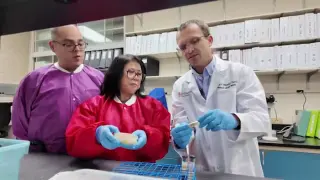
A deadly fungus, Candida auris, has infected 459 people in Texas since mid‑August and more than 4,500 nationwide, with Texas ranking third in the country; many cases are resistant to common antifungals like fluconazole, raising concerns about treatment and infection control. Mortality for serious infections can reach 30–60%. Researchers at UT Health San Antonio are studying resistance, calling for better testing, more clinical trials, and new drugs, while emphasizing strict hand hygiene and prevention to curb spread.
Researchers discovered gladiolin, a natural antibiotic from Burkholderia gladioli, can push the fungus Candida albicans from its invasive hyphal form back to the less harmful yeast form in lab tests. When used with amphotericin B, gladiolin and the drug together more effectively suppress fungal biofilms than either alone, suggesting a potential new approach to treating drug-resistant fungal infections, though extensive preclinical and clinical trials are still needed.
A drug-resistant fungus, Candida auris, is spreading across the United States, including Maryland; officials say most people are not at high risk, but its resistance to many antifungal medicines creates challenges for hospitals and underscores the need for vigilant surveillance.
The CDC is monitoring 13 cases of the emerging fungus Candida auris in Washington state as of 2026. This yeast can cause infections ranging from skin issues to bloodstream infections and spreads easily among vulnerable patients in healthcare facilities. Some strains resist standard antifungal drugs; colonization on the skin can spread the fungus unknowingly. Diagnosis involves screening with skin swabs, and treatment may involve echinocandin antifungals, though resistance exists in some strains and outcomes depend on patients' underlying illnesses. Specific locations within Washington have not been disclosed.
Candida auris, a drug-resistant yeast that can persist on surfaces, is spreading in U.S. healthcare facilities. The CDC reported 3,437 clinical cases across 27 states as of July 25, 2026, with last year totaling 4,290, highlighting it as a critical public health threat. It can colonize skin or cause serious infections such as bloodstream infections that may lead to sepsis, especially in patients with underlying conditions. Transmission occurs through contact with contaminated objects and people, and it can resist common cleaning agents, complicating elimination in hospitals and nursing facilities. Detection has increased due to targeted screening, but preventing spread relies on strict infection-control measures, diligent environmental cleaning, hand hygiene, and isolating affected patients; treatment options are limited and depend on the strain.
Candida auris, a drug-resistant fungus first detected in the U.S. in 2013, has now been found in 27 states and poses a major threat in healthcare settings, particularly to seriously ill patients with devices such as ventilators, feeding tubes, or catheters. The yeast can persist on surfaces and resist many disinfectants and antifungal medicines, complicating treatment. Infection-control measures in hospitals—private rooms, gowns and gloves, dedicated equipment, and EPA-approved cleaners—are essential to prevent spread, and diagnosis requires lab testing; some strains are resistant to azoles and amphotericin B.
A drug‑resistant fungus Candida auris can burrow into hair follicles and alter immune signaling, creating a persistent nest on the skin. Cases have been reported in 23 states this year (Texas leads with 700+), and the fungus can linger on skin for months, making it hard to eradicate; many carriers have no symptoms, but infections can be deadly—CDC estimates up to 60% fatality among infected patients and roughly 3,000 US deaths annually. Treatment often requires multiple antifungal drugs and ongoing infection control in healthcare settings.
The CDC reports 3,437 cases of Candida auris, a drug-resistant fungus, across 26 states as it continues to spread in healthcare settings. Infections range from skin to bloodstream and can be difficult to treat due to antifungal resistance. Transmission occurs via contact with infected individuals or contaminated surfaces, and effective containment hinges on screening patients and strict infection-control measures, including hand hygiene, room isolation, and proper use of protective gear.
CDC tracking shows 3,437 reported Candida auris cases across 26 states as of July 25, 2026. This drug‑resistant yeast can cause serious infections in healthcare settings, spreads via contact and contaminated surfaces, and may resist standard antifungal treatment. High‑risk patients with severe illnesses or invasive devices are most susceptible. Containment hinges on patient screening, strict hand hygiene, isolating infected individuals, and using effective disinfectants to curb transmission.
The CDC reports 3,437 cases of Candida auris—a drug-resistant yeast—across 26 states as of July 25, 2026. Infections range from skin to bloodstream and can be difficult to treat due to antifungal resistance. Case numbers have risen over the past decade, though the growth rate is slowing. Prevention focuses on screening patients, strict hand hygiene, isolating infected individuals, and thorough disinfection and use of protective equipment in healthcare facilities.
CDC warns that Candida auris, a drug-resistant fungus, is spreading in Michigan and across the U.S. Michigan has 3,056 cases since 2021 (503 in 2026 through July 18), with 774 clinical and 2,282 screening cases; Texas leads this year with 706. Nationally, cases rose from 2,882 in 2022 to 6,197 in 2024 and have cooled to about 3,130 in 2026 through July. The fungus can cause infections from skin to bloodstream, spreads in healthcare settings, and is often hard to treat—requiring echinocandin antifungals or combinations due to resistance. Those with severe illnesses or invasive devices are most at risk.
As of the week ending July 25, 2026, 3,437 cases of Candida auris have been identified across 27 states (California leading with 873, followed by Texas with 433 and Tennessee with 283), and the number of cases continues to rise each year, though the rate of increase has slowed since 2022. C. auris is a drug‑resistant yeast that can cause infections ranging from skin infections to life-threatening bloodstream infections in very ill patients in healthcare settings, and it can persist on surfaces. Many strains are resistant to fluconazole, with some showing resistance to amphotericin B and echinocandins, and the mortality rate is estimated between 30% and 60%. Those most at risk include immunocompromised individuals and patients with invasive devices in hospitals or nursing homes.
The CDC reports 3,130 cases of Candida auris across 23 states as of July 18, with Texas leading (706), followed by Michigan (503) and Illinois (366). While yearly case counts rise, the growth rate is slowing. C. auris is a yeast that can cause severe, hard‑to‑treat infections in very ill patients in healthcare settings and can persist on surfaces for long periods. Many strains are resistant to common antifungals; echinocandins are usually effective, though resistance varies. Mortality is estimated at 30%–60%, but deaths are often complicated by underlying illnesses.