
Underused Lung Cancer Screening Leaves Millions at Risk Despite Proven Life-Saving Benefits
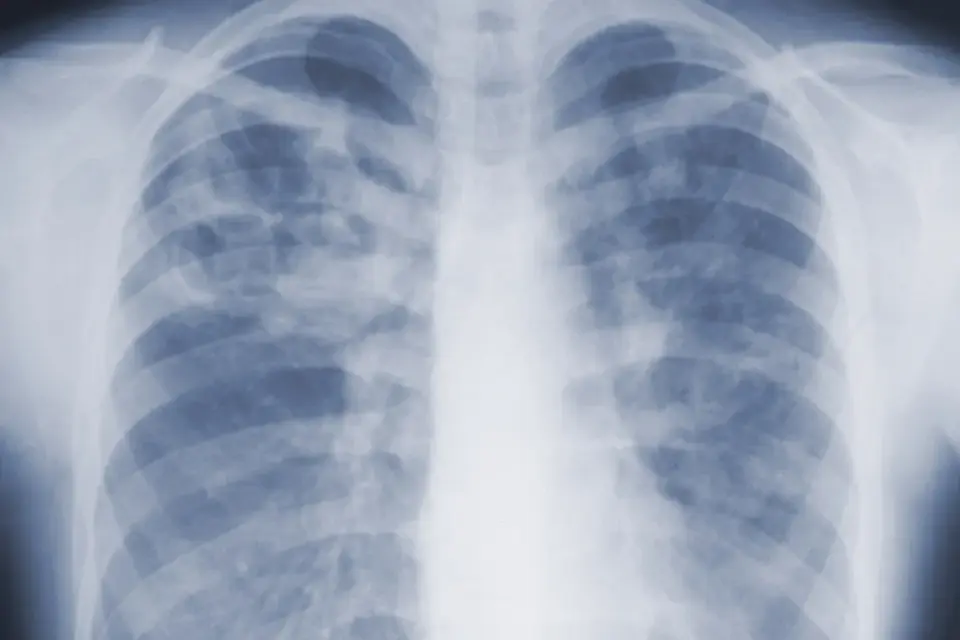
Lung cancer remains the leading cause of cancer deaths in the US, yet only about a quarter of eligible patients receive recommended annual low-dose CT screenings. A 75-year former smoker, Dennis Schmidt, was saved by a routine scan that detected stage 1 adenocarcinoma in 2021. Experts argue current guidelines are too restrictive, while others warn that expanding eligibility could lead to unnecessary procedures and anxiety.
Key points
- Lung cancer causes an estimated 125,000 deaths annually in the US, exceeding colon, breast, and prostate cancer combined.
- Only about 25% of eligible patients are up to date on annual low-dose CT screenings, a rate described as abysmally low by thoracic surgeon Chi-Fu Jeffrey Yang.
- The US Preventive Services Task Force recommends screening for ages 50-80 with a 20 pack-year smoking history who currently smoke or quit within the last 15 years.
- A 2011 trial showed annual screening reduced lung cancer deaths by 20%, while a 2019 Italian study found a 39% reduction after six years of screening.
- The American Cancer Society and National Comprehensive Cancer Network have removed the 15-year quit requirement from their guidelines, urging the Task Force to do the same.
- Critics note that expanding screening may lead to false positives, unnecessary biopsies, and radiation exposure, with fewer than half of older adults with metastatic cancer undergoing treatment.
Background
Previous coverage highlighted that while smoking is the primary preventable risk factor for lung cancer, other hazards like radon and air pollution also contribute. Non-smokers can also develop the disease, and early detection remains critical for survival. Recent advancements in treatment, including targeted therapies and minimally invasive surgery, have improved survival rates for early-stage diagnoses, making early detection through screening increasingly vital.
Why it matters
Low screening uptake despite proven efficacy and improved treatment outcomes represents a significant public health gap. Expanding eligibility could save lives, but must be balanced against the risks of overdiagnosis and unnecessary medical procedures. The debate highlights the need for clearer guidelines and better patient education to bridge the gap between available technology and actual usage.
What to watch
The US Preventive Services Task Force has not responded to requests for comment or the American Cancer Society's data urging a revision of the 15-year quit requirement. Advocates continue to push for broader eligibility, while medical professionals emphasize the importance of quitting smoking and personalized screening decisions.
Want the full story? Read the original reporting
Read on Daily Kos